

What the day feels like
You round a bend in the Rhine and the world narrows — the river pulls itself into a tight, shimmering ribbon beneath a single, watching cliff. The rock is not dramatic in the way of peaks; it is insistently poised, a slate promontory rising out of the river like an ancient watchman. Boats slide in its shadow and travelers on the opposite bank lift cameras as if to salute. This is Lorelei Rock (Loreley Rock), the stretch of the Middle Rhine where myth and geology conspire to make even a short stop feel like a small pilgrimage.
Stand on the viewing platform and the scene is immediate: the Rhine bends into a horseshoe, flanked by steep slate walls, and navigable water funnels past with a sly, speeding confidence. Barges and tourist boats thread the narrows, their horns echoing against the cliff face. The wind carries a voice — the memory of Heinrich Heine’s poem, the imagined song of a siren who lured boatmen to disaster. Up close, though, the slate is not merely theatrical; it is a product of deep time. Layers of sediment pressed and folded here more than 300 million years ago, uplifted and exposed to make a cliff that has both challenged river pilots and captured poets for centuries.
Lorelei belongs to the Rhine Gorge, a UNESCO World Heritage site defined by its vineyards, castles, and narrow channel of fast water. The legend — a beautiful woman combing her hair, her song bewitching sailors — arrived in the 19th century through Romantic literature and became a cultural shorthand for the river’s danger and charm. But practical history matters: until modern navigation aids, the Lorelei’s current and submerged rocks made this one of the Rhine’s trickiest passes. Shipwrecks and groundings are recorded here for centuries, which is why a lighthouse and a string of pilot houses dot the river banks.
The village that travellers most commonly use as a base is Sankt Goarshausen, the small town beneath the rock. From the town you can climb to the official Loreley viewpoint by a well-maintained path (expect roughly 1–1.5 kilometers one-way with about 100–130 meters of elevation gain); the walk is a layered experience — vine terraces and forested switchbacks, sudden exposures with the river revealing itself below. Alternatively, you can approach by boat; the regular day cruises that ply the Middle Rhine allow you to experience the rock from water level, where the narrowing is most dramatic and the current can be visibly brisk.
Why make the stop? For many it’s the collision of sensory details: the slate’s cool gray face, the scent of grape vines from the surrounding terraced hills, the sound of river traffic sharpened by the cliff’s echo. For others it’s the cultural resonance — reading Heine’s lines while standing where storytellers have looked and told for 200 years. For active travelers the site combines a short, rewarding hike with the option to extend into a longer day: castles in the valley, vineyard stops for a Riesling tasting, and quiet footpaths along the Rhine ideal for an afternoon ramble.
Practical guidance: if you want the classic view, aim for the platform at the top of the paved path out of Sankt Goarshausen. The round-trip on foot can be done in 1–2 hours at a relaxed pace; allow extra time for photos and a stop at the visitor terrace café. Wear grippy shoes — the trail crosses shale and compacted soil and can be slick after rain. Boat cruises that include Lorelei tend to run from Koblenz to Rüdesheim and back; a one-way segment that passes the rock is typically 30–60 minutes of river time. If you’re driving, small parking lots serve the view area but space can be limited in high season; public transport is straightforward — trains to Sankt Goarshausen or nearby St. Goar connect you into the Rhine valley.
Timing is everything. Early morning light softens the cliffs, and late afternoon brings long, flattering shadows that make the river’s curves pop. Summer afternoons are busy; if you crave solitude, visit in shoulder seasons and pair your visit with a quiet winery stop. If you take a boat, sit on the starboard side when heading downstream to catch the best angle of the rock.
Safety is simple but serious: keep back from the cliff edge, and be aware of cyclists and hikers on narrow stretches. The river is working — it will move you if you are aboard, and it has a long memory of hazards — so heed local pilot signals if you’re on a small craft.
Lorelei is compact in scale but generous in texture. A few practical choices — whether to hike up or float past, when to visit, and how to layer your day with wine, ruins, and quiet backroads — shape whether your visit feels like a checklist stop or a small, complete adventure. Either way, the rock leaves you with the sense that landscapes can sing; here, they always have, and sometimes the song is a warning and sometimes an invitation.
Trail wisdom
Small choices, better day.
Time it for softer light
Arrive early morning or late afternoon for the most dramatic river light and fewer tour groups.
Grip the trail
Wear sturdy shoes with traction — the ascent uses shale and steep switchbacks that get slippery when wet.
Hydrate and layer
Bring water and a lightweight wind or rain layer; the top of the cliff can be significantly windier than the riverbank.
Respect cliff safety
Stay behind barriers and keep dogs on leash — the drop is steep and rescue access is limited in places.
Local knowledge
Read the place, not just the route.
Watch for native species including Peregrine falcon — cliff-nesting raptor often seen above the river, Gray heron — common along the Rhine’s shallows and riverbanks.
Keep an eye out for wildlife during the transition between areas and habitats. Respect distance guidelines.
The Rhine Gorge is managed to balance tourism and ecosystem protection; visitors are encouraged to stick to trails and support local conservation efforts.
Follow the guide's instructions on size limits, ethical handling, and leave-no-trace practices.
Walk the ridge path beyond the main platform for quieter overlooks and vineyard views.. Visit the small wine taverns (Weinstuben) in Sankt Goarshausen for local Riesling and a less touristy atmosphere.
Locally recommended viewpoints and quiet spots known best to local operators.
Lorelei’s fame grew in the 19th century through Romantic poets like Heinrich Heine; historically the narrows were a notorious hazard for river navigation.
Maritime roots and regional tradition shape the waterways and working coasts.
Seasonal guide
Four versions of the same landscape.
Spring
Best forWildflower-lined trails · Cool, quiet hiking · Early-season wine tastings
ChallengesUnpredictable showers · Mud on the trail
Spring brings green terraces and fewer crowds, but pack a waterproof layer and expect muddy sections after rain.
Summer
Best forRiver cruises · Evening light for photography · Longer daylight for extended hikes
ChallengesHigh visitor numbers · Full parking and crowded viewpoints
Summer offers warm days and full cruise schedules; plan for crowds and book boat segments ahead.
Fall
Best forVineyard colors and harvest festivals · Crisp weather for clear views · Riesling tastings
ChallengesShortening daylight · Cooler nights
Fall is peak aesthetic season—vineyards turn gold and the air is crisp, making it the most popular time to visit.
Winter
Best forQuiet vistas · Low tourist traffic · Dramatic, stark landscapes
ChallengesCold, windy exposure · Reduced boat services
Winter is quiet and moody; the viewpoint is accessible but dress warmly and check that local services are operating.
Pack with intention
What to bring.
Good to know
Common questions.
From Sankt Goarshausen the paved trail to the main viewpoint takes about 20–40 minutes one-way, depending on pace; factor extra time for photos and stops.
Plan the edges
The details that make the day easier.
The Lorelei cliff rises roughly 132 meters above the Rhine and became immortalized by 19th-century Romantic poetry, most famously Heinrich Heine’s 1820s verses.
The Middle Rhine is a wine region—sample local Riesling at family-run Weinstuben and seek out the seasonal wine festivals that celebrate the harvest and river life.
- Nearest train
- Sankt Goarshausen. Parking: small lots near viewpoint (limited in peak season). Boat options: frequent day cruises between Koblenz and Rüdesheim. Cost: viewpoint free; boat and parking fees vary.
Stick to marked trails, avoid climbing on fragile cliff edges, and choose local guides and winegrowers who use sustainable practices to support the region’s long-term health.
Explore by topic
Follow the threads.
Keep exploring
Make the story part of the trip.
In four hours you can move from shaded canyon ferns to wind-scoured coastal ridgelines, guided by someone who knows where the light—and the hidden views—live. This private half-day hike on the Monterey Peninsula or Big Sur is compact, curated, and perfect for travelers who want depth without a multiday commitment.
 Related story
Beneath a sky of shifting light, Skaftafell’s ice reads like a map of time. This three-hour guided glacier hike mixes technical instruction with geology and culture: compact, safe, and unforgettable.
 Related story
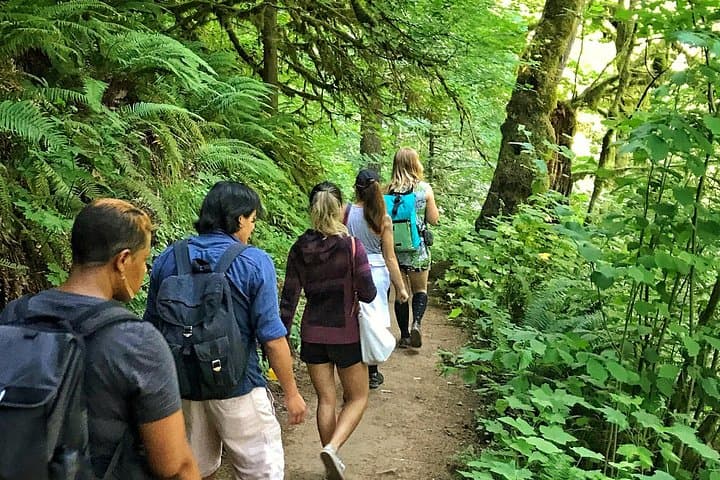
Lose the city for a few hours without leaving it: this 5-mile, 900-foot-gain Forest Park loop threads old-growth pockets, city viewpoints, and cultural landmarks for a compact taste of Portland’s wild side. Expect moss, roots, and stories.