

What the day feels like
The first thing you notice as the skiff slows and the motor tiptoes into the shallows is the color—an impossible turquoise that deepens into banded blues where the reef drops away. The island itself is low and narrow, a ribbon of white sand and scrub that looks fragile from the boat but hums with life at every tide. Laughing Bird Caye sits like a punctuation mark off the southern tip of the Placencia peninsula, its shoreline scoured by waves and its underbelly stitched to the Belize Barrier Reef. On a bright morning the sea seems to dare you to step in; below, gardens of coral answer the challenge with a riot of color and motion.
This is snorkeling that feels like theater. Coral mounds rise up to within about five feet of the surface—convenient shallow stages where parrotfish, angelfish, and juvenile reef fish perform among brain, elkhorn and boulder corals. Guides point out lobsters tucked into ledges and the occasional Nassau grouper holding station beneath overhangs. On some dives southern rays glide like living shadows across the sandy cuts between reefs; conch and furry sea cucumbers patrol the patches of rubble. The island is named for the laughing gulls that roost at the northern end, but the real applause comes from the sea.
Laughing Bird Caye is more than a pretty snorkel stop: it’s a protected piece of one of the planet’s largest barrier reefs. The Belize Barrier Reef Reserve System is a UNESCO World Heritage Site, and the caye is managed as a national park to protect habitat for coral, fish, and foraging seabirds. Geologically, these cayes are biological constructions—sand and broken coral accumulated atop submerged reef flats, then colonized by coastal plants. Over time the interplay of wave, wind, and reef growth sculpts each island into its signature shape. The human story here centers on coastal communities—Placencia and nearby villages—whose livelihoods now balance fishing and tourism with an increasing emphasis on conservation.
Practically speaking, Laughing Bird Caye is a half-day or full-day excursion from Placencia. Operators offer options described as a Half Day Snorkel or a Snorkel and Island Experience: expect guided snorkel sessions of roughly an hour at a time, a picnic of Belizean fare on the cay, and time to wander the shoreline between swims. The reef’s shallow mounds make it an excellent place for confident beginners and mixed-ability groups—no deep dives required to see big reef biodiversity—but water conditions vary. Mornings are usually flatter and clearer; winds and seasonal swell can make the ride and visibility more challenging later in the day.
This is the sort of trip that rewards simple preparation. Bring reef-safe sunscreen, a snug mask you trust, and a lightweight rash guard so you can keep swimming when the sun is at its peak. Take a local guide seriously: park rules are enforced to preserve the corals, and guides are adept at pointing out cryptic animals you’d otherwise miss—the lizardfish waiting in sandy gutters, or the juvenile fish hiding under a table coral. Respect the fragile reef: no standing, no touching, and take all trash with you.
Why go? For the immediacy of it. Laughing Bird Caye compresses everything you want from a tropical marine day-trip: accessible snorkeling on healthy reef, a sun-dappled island to lounge on, and the clean, direct hospitality of Placencia’s boat crews. For photographers, the shallow coral gardens are forgiving light—wide-angle frames fill easily when you get close to the reef without disturbing it. For wildlife lovers, the diversity of reef fish, opportunistic lobsters, and the seasonal presence of nesting birds make each visit slightly different.
Timing and expectation: if your schedule allows, aim for a morning departure to catch calmer seas and brighter underwater light. If you bring your own mask and fins you’ll often get a better fit and a more efficient surface time; most operators supply snorkel gear but sizes and quality vary. Many trips combine two snorkel sessions with a break for beach lunch, giving you a rhythm of movement and rest that feels natural: float, look, climb back to shore, eat, then go again.
Stewardship is part of the experience. The caye’s protected status means rules are in place to reduce human impact. Bring reef-safe sunscreen, let your guide carry any single-use plastics, and consider booking with operators who contribute to local conservation work or pay park fees that support management of the marine reserve. Your visit is both a privilege and a small vote for the future of this living reef.
Laughing Bird Caye is compact, but that compactness is part of the charm. You don’t need a week to understand what the Belize Barrier Reef is capable of: a well-run half-day here is education and entertainment rolled together. It’s a place that puts the ocean in the foreground: the water moves, the fish go about their business, and you, for a few hours, are an appreciative and careful guest. When the boat finally heads back to Placencia the island shrinks into the horizon, a thin smile of sand and scrub—and the reef below keeps working, rebuilding, and readying itself for the next tide and the next visitor who comes ready to pay attention.
Trail wisdom
Small choices, better day.
Bring reef-safe sunscreen
Use mineral-based sunscreen and apply before you get wet to protect coral and prevent reapplication while on the reef.
Fit your mask and fins
A well-fitted mask prevents fogging and lost time; if you’re sensitive to leaks, bring your own gear.
Go early for calm water
Morning departures usually mean flatter seas and better underwater visibility for spotting reef life.
Don’t touch or stand on coral
Coral is living and fragile; keep buoyancy control and never remove shells or marine life.
Local knowledge
Read the place, not just the route.
Watch for native species including parrotfish, southern rays.
Keep an eye out for wildlife during the transition between areas and habitats. Respect distance guidelines.
Park rules limit anchoring, fishing, and human impact; visitors should use reef-safe sunscreen and follow guides’ instructions to minimize disturbance.
Follow the guide's instructions on size limits, ethical handling, and leave-no-trace practices.
North end bird roosts—quiet area for shore walks and birdwatching. Sandy channels between coral mounds—great for spotting rays and juvenile fish
Locally recommended viewpoints and quiet spots known best to local operators.
Laughing Bird Caye is part of the Belize Barrier Reef Reserve System, a UNESCO World Heritage site, and is protected to conserve its coral and seabird habitat.
Maritime roots and regional tradition shape the waterways and working coasts.
Seasonal guide
Four versions of the same landscape.
Spring
Best forcalmer seas · good visibility · birdwatching
Challengesintermittent showers · increasing boat traffic
Spring brings warming water and reliable snorkel conditions with excellent visibility; expect more visitors as the season progresses.
Summer
Best forwarmest water · longer days · productive reef life
Challengesoccasional tropical storms · higher humidity · more plankton in water
Summer is hot and lively underwater, but plan around potential afternoon storms and check tropical forecasts.
Fall
Best forfewer crowds · still-warm water · good wildlife encounters
Challengesshorter daylight · possible hurricane season activity
Fall can offer quieter days on the caye, though you should remain alert to hurricane season advisories.
Winter
Best forclear water · cooler breezes · peak tourist season
Challengesmore crowded tours · higher prices
The dry winter season often provides the clearest snorkeling and calm seas—arrive early to beat the tour groups.
Pack with intention
What to bring.
Good to know
Common questions.
Most operators run a 20–45 minute boat transfer from Placencia depending on boat type and sea conditions—confirm timing with your tour operator.
Plan the edges
The details that make the day easier.
Laughing Bird Caye is part of the Belize Barrier Reef Reserve System, which was inscribed as a UNESCO World Heritage Site in 1996.
Placencia’s fishing and Garifuna heritage shape the menu—expect fresh ceviche, coconut bread, and fried fish served with local smiles; supporting a family-run tour often keeps revenue in the community.
- Departure
- Placencia; Duration: half-day or full-day; Gear: rentals available but bring your own for best fit; Rules: no touching coral, no fishing in the park; Best time: mornings in dry season.
Choose operators that pay park fees and follow no-anchoring practices, use reef-safe sunscreen, and avoid single-use plastics to help preserve fragile coral ecosystems.
Explore by topic
Follow the threads.
Keep exploring
Make the story part of the trip.
In four hours you can move from shaded canyon ferns to wind-scoured coastal ridgelines, guided by someone who knows where the light—and the hidden views—live. This private half-day hike on the Monterey Peninsula or Big Sur is compact, curated, and perfect for travelers who want depth without a multiday commitment.
 Related story
Beneath a sky of shifting light, Skaftafell’s ice reads like a map of time. This three-hour guided glacier hike mixes technical instruction with geology and culture: compact, safe, and unforgettable.
 Related story
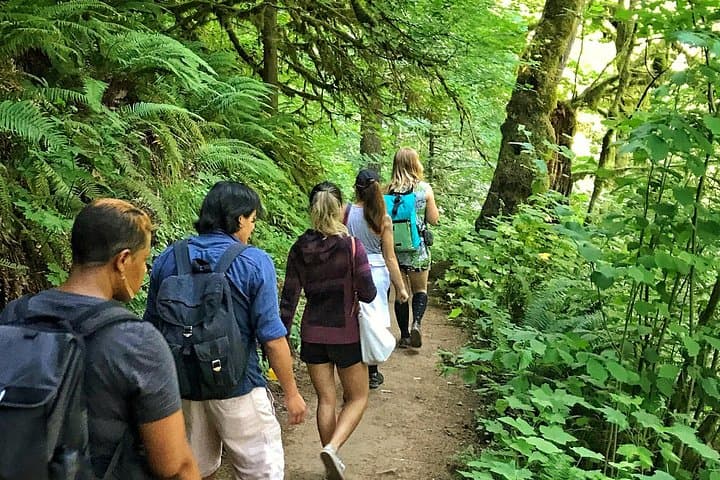
Lose the city for a few hours without leaving it: this 5-mile, 900-foot-gain Forest Park loop threads old-growth pockets, city viewpoints, and cultural landmarks for a compact taste of Portland’s wild side. Expect moss, roots, and stories.