

What the day feels like
The catamaran cuts a clean line across the Indian Ocean, its hull bouncing lightly in a ribbon of turquoise. Sun drips off the rigging and the shoreline of Mauritius pulls away—a band of green backed by the island’s low volcanic shoulders. Ahead, a pale crescent of sand hangs like a promise: Île aux Cerfs. For a day, the island turns into a centrifugal center of sound and motion—snorkel masks click, parasailers climb into the sky, and the barbecue on deck sends up a slow, mouthwatering smoke. Yet it’s the hush as you step onto the sand that surprises most: the lagoon is an amphitheater of light, and the sea seems to hold its breath.
Île aux Cerfs sits off Mauritius’s east coast near Trou d'Eau Douce, accessible by a brisk speedboat or a languid catamaran—usually a full-day affair that starts around 9:00 and returns in the mid-afternoon (many operators are back by 16:00–16:30). Operators run 42-ft catamarans that anchor in calm lagoons for snorkeling and stop at the Grand River South East waterfall for a quick shoreline look. Speedboat trips condense drama into a higher-octane itinerary: more time slicing across the water, a visit to Ilot Margenie, and often a private feel for smaller groups.
Geologically, the island is a holm of coral and sand—part of Mauritius’s protective reef system that has trapped the lagoon’s warm water for millennia. Biological life concentrates where the reef is healthiest: fringing corals, schools of parrotfish and sergeant majors, and the occasional ray cruising the sandy bottom. The Grand River South East (often abbreviated as GRSE), which many tours cruise up to see, is the island’s claim to freshwater drama—Mauritius’s longest river, cutting through rugged, forested slopes before spilling into the sea where mangroves and birds congregate.
Culturally, a trip to Île aux Cerfs blends Creole seaside leisure with a distinctly Mauritian mise-en-scène—sega rhythms often find their way aboard, and the universal pull of a rum punch and fresh BBQ does the rest. Wildlife sightings are part of the narrative: flying fruit bats roost in nearby mangroves, troops of vervet monkeys sometimes appear along the mainland riverbanks, and dolphins are an occasional entourage on the offshore run.
Why go? The island is the clean, all-in-one answer to a Mauritian beach day: accessible snorkeling, shallow, safe swimming, a choice of water sports (parasailing, tube riding, undersea walking), a string of options for food and drink, and a reliable logistics package—transport, guides, and usually a lunch included. For first-time travelers the island is a seductive introduction to the island’s blue-lagoon ecology; for repeat visitors, the multiple access styles (slow catamaran vs. fast speedboat) offer different rhythms: one for sun-and-sip; the other for adrenaline.
Practical edge: choose your vessel with intent. Catamarans are more stable, have generous deck space, and usually anchor for snorkeling in calmer reef areas—good if you want a social, photo-friendly day. Speedboats shrink transfer time and add a thrill, and private charters let you tailor stops to Ilot Margenie or quieter snorkeling pockets. Many full-day trips include a BBQ lunch and drinks; some advertise unlimited beverages and live Sega music. If seeing the waterfall matters, verify that your itinerary includes a GRSE stop—some operators combine the two naturally; others skip it in favor of extra lagoon time.
Get realistic about the reef: snorkeling is most rewarding in shallow pockets where coral and tropical fish concentrate. Wear reef-safe sunscreen, a rashguard, and reef shoes if you plan to explore the margins. Even in calm lagoons, basic swim skills and comfort in open water matter; operators typically provide life jackets but bringing your own mask is a small upgrade that pays off.
Timing matters: morning departures often mean calmer seas and clearer water—ideal for photography and snorkeling. If photography is the priority, ask for a spot near the bow to reduce glare, and consider a polarizing filter for your lens. For sunset sailbacks and golden-hour portraits, book a late return on private charters.
Logistically: most tours include hotel transfers from the east-coast corridor (Trou d'Eau Douce, Belle Mare). Bring cash for small purchases or tip, but expect your main meal and many drinks to be covered by the operator if the tour advertises an inclusive package. Book in advance during high season; many catamaran cruises fill up quickly on calm, sunny days.
Île aux Cerfs is tourist infrastructure in service of a natural asset: the sand, the reef, and the languid lagoon. Treat it that way—avoid single-use plastics, keep to marked paths, and follow guides’ instructions around wildlife. Do the planning right and you’ll come away with sun-baked skin, clean coral memories, a few good photos, and the kind of day that explains why so many people write Mauritius on the top line of their travel lists.
Trail wisdom
Small choices, better day.
Pick the right boat
Catamarans are stable and social—best for snorkeling and relaxation; speedboats are faster and more thrilling. Choose based on your tolerance for motion and desire for private time.
Bring reef-safe sunscreen
Coral reefs are sensitive—use reef-safe SPF and reapply in the shade to protect marine life.
Pack water shoes
Shallow reefs and rocky beach entries are common; reef shoes protect feet and make snorkeling entries easier.
Time your photos
Aim for a morning departure for the clearest water and soft light; golden hour returns make for dramatic silhouettes.
Local knowledge
Read the place, not just the route.
Watch for native species including Flying fruit bats (large roosts near GRSE), Dolphins (sporadic offshore sightings).
Keep an eye out for wildlife during the transition between areas and habitats. Respect distance guidelines.
Local operators emphasize reef protection—avoid touching coral, use reef-safe sunscreen, and dispose of waste properly to protect the lagoon ecosystem.
Follow the guide's instructions on size limits, ethical handling, and leave-no-trace practices.
Ilot Margenie for quieter snorkeling and lunch away from the main beach. Ile aux Aigrettes nature reserve—small guided conservation island often passed on coastal cruises
Locally recommended viewpoints and quiet spots known best to local operators.
Île aux Cerfs developed into a tourist destination in the late 20th century; many tours include the Grand River South East, which has long been a freshwater corridor into Mauritius's interior.
Maritime roots and regional tradition shape the waterways and working coasts.
Seasonal guide
Four versions of the same landscape.
Spring
Best forCalm seas · Blooming coastal vegetation · Clear snorkeling
ChallengesOccasional short rains · Higher visitor numbers on holidays
Spring (Sept–Nov) brings warming water and calm conditions—ideal for snorkeling and water sports with generally good visibility.
Summer
Best forWarmest water · Full range of water sports · Long daylight hours
ChallengesCyclone season risk (Jan–Mar) · Higher humidity
Summer (Dec–Mar) is hot and humid with superb swimming but check weather forecasts during the cyclone window—operators will cancel if conditions are unsafe.
Fall
Best forLower crowds · Pleasant temperatures · Stable skies
ChallengesSea conditions can change with passing swells · Some services reduce frequency
Autumn (Apr–May) offers warm, stable weather and fewer tourists—good visibility and comfortable days on the water.
Winter
Best forDry weather · Cooler, clearer air · Less humidity
ChallengesCooler water temperatures · Shorter daylight
Winter (Jun–Aug) is drier and milder with crisp air; water is slightly cooler but visibility is often excellent for snorkeling.
Pack with intention
What to bring.
Good to know
Common questions.
Most visitors reach Île aux Cerfs via organized boat tours departing from Trou d'Eau Douce on the east coast—options include shared catamarans, shared speedboats, or private charters with hotel transfers included.
Plan the edges
The details that make the day easier.
The Grand River South East (GRSE), which is often visited on Île aux Cerfs tours, is the longest river in Mauritius and meets the sea near the island.
Expect Creole-seafood BBQs, lively Sega rhythms aboard many tours, and local rum punches—the east-coast villages around Trou d'Eau Douce offer fresh fish stalls and simple beachfront cafés.
- Departure ~09
- 00, return ~16:00; transfers often included from east-coast hotels; snorkeling, BBQ lunch, and many water-sport options available—confirm inclusions when booking.
Choose operators with eco-friendly practices, use reef-safe sunscreen, avoid single-use plastics, and follow guides’ instructions to minimize impact on coral and wildlife.
Explore by topic
Follow the threads.
Keep exploring
Make the story part of the trip.
In four hours you can move from shaded canyon ferns to wind-scoured coastal ridgelines, guided by someone who knows where the light—and the hidden views—live. This private half-day hike on the Monterey Peninsula or Big Sur is compact, curated, and perfect for travelers who want depth without a multiday commitment.
 Related story
Beneath a sky of shifting light, Skaftafell’s ice reads like a map of time. This three-hour guided glacier hike mixes technical instruction with geology and culture: compact, safe, and unforgettable.
 Related story
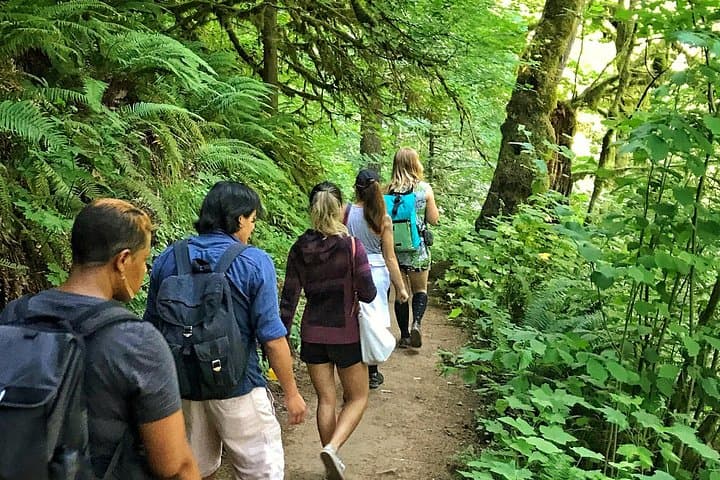
Lose the city for a few hours without leaving it: this 5-mile, 900-foot-gain Forest Park loop threads old-growth pockets, city viewpoints, and cultural landmarks for a compact taste of Portland’s wild side. Expect moss, roots, and stories.