

What the day feels like
You arrive at Chalk Sound before the midday buses and before the lagoon decides to wear its brightest color. The water is a flat sheet of opal—pale aquamarine threaded with darker blue channels—dotted with small leaf‑shaded cays like a scatter of broken coins. From the roadside, the first view is almost cinematic: a low horizon of scrubby, wind‑brushed trees, the lagoon stretching off toward distant reefs. The air tastes faintly of salt and crushed limestone. Here, standing on the rim of Providenciales, the island's pace slows. The lagoon seems to hold its breath and let you listen.
This is Chalk Sound National Park, a shallow, protected bay in the southwest of Providenciales, Turks and Caicos. Its calm, milky waters and the tiny uninhabited islets—cays—make it an easy place to fall into a kind of resourceful quiet. Paddlers drift between mangrove fingers and coral outcrops; snorkelers peer at seagrass beds where iguanas sun on rocks; local guides motor kayaks through channels that look too delicate for anything motorized. It is both intimate and wide—an accessible coastal escape for anyone who enjoys being close to water without the crowd of Grace Bay.
Geologically, Chalk Sound is a shallow limestone basin. The light color of the seabed, made up of pulverized coral and calcium carbonate, gives the lagoon the soft, chalky tones that inspired its name. Depths are modest—often just a few meters—so the water warms quickly and reflects light in a way that turns paddle strokes into slow brushstrokes on a watercolor. The surrounding cays were formed by reef development and pockets of sediment trapped by sea level changes over millennia. That geological simplicity shapes how you experience the place: it’s a sanctuary for sea birds, a nursery for juvenile fish, and a schooling ground that keeps the water clear and surprisingly warm.
History sits quietly on the fringes. The road that skirts the lagoon intersects with cultural touchstones of Providenciales: old plantation ruins like Cheshire Hall are a short drive away, and local settlements nearby speak to the island’s complex colonial and maritime past. Modern tourism arrived late here, precisely because the lagoon was never an easy place to build; its protected status helps keep it low‑impact and largely under the radar compared with the busier beaches on the island’s north shore.
How to experience Chalk Sound is part of its charm. For clarity and calm, a clear kayak ride is a must. These transparent hulls let you see seagrass meadows and the pale bottom as you paddle, a quiet aquatic window into the lagoon. Photography companies here combine clear kayaks with drone shoots so you can remember the exact hue of the water. If you prefer a faster tempo, an ATV trip across Providenciales’ off‑road trails offers a rugged counterpoint: coastal ridgelines, salt flats, and viewpoints that give you a sweeping sense of the island’s scale before you drop back into the sheltered lagoon. For a cultural primer, the 3‑hour private island tour threads together beaches, local food like conch tasting at Las Brisas, the island’s highest viewpoints, and historical stops—perfect for visitors who want to know what Provo feels like beyond the shoreline.
Practicalities and preparation matter less for navigation and more for comfort and respect. Chalk Sound is shallow and calm, so paddling is family‑friendly, but the lagoon is still an ecosystem—avoid dragging sunscreen‑laden limbs across seagrass beds and never disturb nesting birds on the cays. The best light is early and late; midday flattens shadows and the lagoon loses some of its three‑dimensional character. Winds can pick up; afternoon sea breezes make for livelier paddling and choppy edges, while mornings favor glassy calm.
If you're booking experiences: clear kayak drone photoshoots are ideal for couples and solo travelers who want both an intimate on‑water morning and pro images by midday. ATV tours suit people who like to mix beach views with a bit of off‑road adrenaline and a local guide’s stories. The private island tour is a practical half day to understand Providenciales in context—history, beaches, and food in one package.
Safety is straightforward: lifejackets are standard on any tour; bring reef‑safe sunscreen, a wide‑brim hat, and a shell bag for any conch sampling you plan to buy rather than forage. Respect navigation markers—boats travel to and from the outer reefs—and watch for shallow coral heads if you venture off established channels. For photographers, the lagoon’s low depth makes aerial shots especially flattering; bring polarizing lenses and plan drone use with guides and local regulations in mind.
Chalk Sound is not about conquering a peak or reaching a remote summit; it’s an argument for noticing. Here the sea offers small rewards: a pair of brown pelicans riding a thermal above a cay, a school of glassy baitfish shadowing your paddle, a local vendor serving conch in a roadside shack. The place asks for patient movement—paddle slowly, listen to the scrape of a paddle through shallow water, let the lagoon keep its calm—and you’ll leave with the sort of coastal memory that isn’t loud or flashy but is unwaveringly clear.
Trail wisdom
Small choices, better day.
Go at golden hour
Paddle in the early morning or late afternoon for calm water and the best light for photography.
Use reef‑safe sunscreen
Apply biodegradable sunscreen before launching to protect seagrass beds and coral life.
Respect the cays
Do not land on small uninhabited islets during bird nesting season; check with guides for local rules.
Book a combined experience
Pair a clear kayak photoshoot with a short island tour to get both on‑water time and cultural context.
Local knowledge
Read the place, not just the route.
Watch for native species including Brown pelican, Green iguana.
Keep an eye out for wildlife during the transition between areas and habitats. Respect distance guidelines.
Chalk Sound is a protected area; visitors are encouraged to use reef‑safe products, avoid anchoring on seagrass, and follow local guidelines to protect breeding birds and juvenile fish habitats.
Follow the guide's instructions on size limits, ethical handling, and leave-no-trace practices.
Mangrove channels on the southeast edge that are quiet at dawn. A small viewpoint along the western road with an unobstructed sweep of the lagoon at sunset
Locally recommended viewpoints and quiet spots known best to local operators.
Chalk Sound sits near old plantation sites such as Cheshire Hall; the area reflects Providenciales' colonial and maritime history and modern conservation efforts.
Maritime roots and regional tradition shape the waterways and working coasts.
Seasonal guide
Four versions of the same landscape.
Spring
Best forcalm paddling · wildlife viewing · photography
Challengesoccasional showers · increased humidity
Spring brings warm water and productive birdlife; mornings are ideal for glassy conditions before afternoon breezes develop.
Summer
Best forwarm water swims · affordable travel · long daylight hours
Challengesheat and humidity · hurricane season risk (Aug–Oct)
Summer delivers hot, tropical days—good for swimming but keep an eye on storms and consider travel insurance during hurricane season.
Fall
Best forquieter beaches · off‑peak rates · soft light
Challengeschance of tropical storms · variable winds
Fall is quieter and often less crowded, though weather can be unpredictable; flexible plans help.
Winter
Best fordry weather · peak visibility · birding
Challengeshigher visitor numbers · premium prices
Winter is the most reliable season for clear skies and calm waters, but expect more visitors and higher rates.
Pack with intention
What to bring.
Good to know
Common questions.
Chalk Sound is generally shallow—often just a few meters deep—which makes it safe for swimming in calm areas; avoid coral heads and follow guide instructions.
Plan the edges
The details that make the day easier.
Chalk Sound’s distinctive milky turquoise color comes from a light‑colored limestone and coral sand bottom combined with shallow depths, making its waters unusually vivid.
Pair your visit with local conch tasting at Las Brisas, chat with guides about island fishing traditions, and look for roadside stands selling fresh conch and rum‑based specialties.
- Location
- Southwest Providenciales | Access: short drive from island hubs | Best time: early morning or late afternoon | Bookings: clear kayak, ATV, or private island tours available | Permits: commercial drone
Choose operators who use reef‑safe sunscreen policies, enforce no‑landing rules on sensitive cays, and practice low‑wake boating to protect seagrass and juvenile fish habitats.
Explore by topic
Follow the threads.
Keep exploring
Make the story part of the trip.
In four hours you can move from shaded canyon ferns to wind-scoured coastal ridgelines, guided by someone who knows where the light—and the hidden views—live. This private half-day hike on the Monterey Peninsula or Big Sur is compact, curated, and perfect for travelers who want depth without a multiday commitment.
 Related story
Beneath a sky of shifting light, Skaftafell’s ice reads like a map of time. This three-hour guided glacier hike mixes technical instruction with geology and culture: compact, safe, and unforgettable.
 Related story
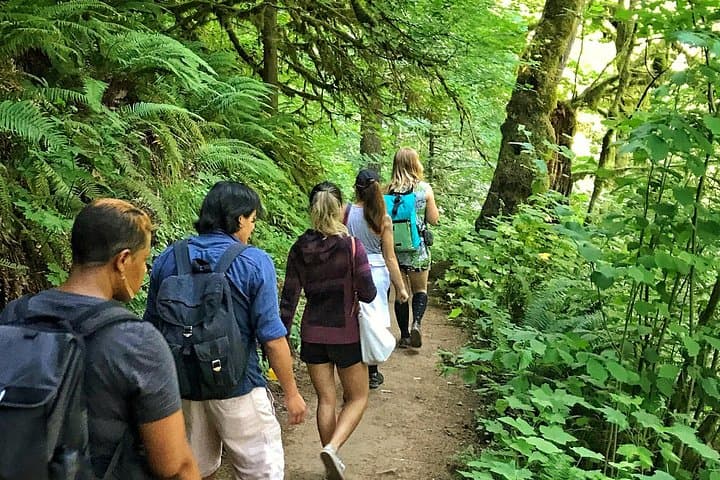
Lose the city for a few hours without leaving it: this 5-mile, 900-foot-gain Forest Park loop threads old-growth pockets, city viewpoints, and cultural landmarks for a compact taste of Portland’s wild side. Expect moss, roots, and stories.