

What the day feels like
A longtail bumps against the limestone like an old friend tapping a shoulder. Salt and sun braid in the air; beyond the bow a scalloped cliff leans over glass-clear water, its shadow a cool refuge. You step off onto a narrow sand spit at Talu Island (Koh Talu) and the human-sized map of Phang Nga Bay unfolds: sea caves scored like calligraphy, mangrove fingers reaching inland, and islands—karst towers—standing like green candles in the penumbra.
Talu Island is the kind of small place that rewards slow attention. It’s not the celebrity of Khao Phing Kan (James Bond Island), but it’s where the bay loosens its secrets: you can paddle through cathedral-like sea caves, snorkel clear patches of reef, and watch white-bellied sea eagles wheel overhead. A typical day trip rings in at 6–8 hours when combined with nearby highlights—canoe passages at Talu’s bat caves, a floating lunch at Panyee Village, and a sunlit swim on a tiny crescent beach. Boats leave from Phuket or Krabi and the journey across the bay is itself a lesson in marine geology: jagged, karst islands dangling their roots in the shallows like bonsai.
Geology here is dramatic in the plainest sense: limestone formed from ancient coral and reef platforms was uplifted, cracked and then sculpted by wind and water into vertical cliffs and caves. The caves you paddle into have tidal mouths—sometimes wide and forgiving, sometimes slim and tidal-dependent—so guides time departures to the tide table. On a low-to-mid tide, you slip a canoe into a black-arched entry and the cave swallows the world; at the center a lagoon opens like a secret garden. These water-sculpted interiors are where Talu feels their most human: nature with a personality. The bay dares you close and then rewards calm with light.
Culture is woven into the itinerary too. The floating village of Koh Panyee—built on stilts by Malay-Muslim fishing families—offers a gentle contrast of community life to the island theatrics. Lunch there is rarely elaborate, but fresh: grilled fish, tangy papaya salad, and coconut-sweet mangoes. Local guides often point out the social history—the village’s roots in fishing and seafaring, the adaptation to tides and tourism, the daily reality of negotiating life on water.
Practically, Talu is a day’s worth of condensed adventure. Expect 2–3 hours of boat transfers (round trip) depending on your pier, plus intermittent activity—two to three short canoe legs (10–30 minutes each), 30–60 minute snorkel sessions, and time to wander the island’s tiny beaches. Water temperature is forgiving (roughly 27–30°C in the dry season); visibility can vary with the monsoon.
Why go? Because Talu combines tactile closeness with landscape theater. You move through the environment—on foot for the beach, afloat in a kayak for the caves, under the surface for the reef—and that multiplicity is rare in a single day. For photographers, the vertical cliffs at midday and the lagoon interiors at soft light are irresistible. For families, the approachable paddles and shallow snorkeling make it manageable. And for experienced paddlers or snorkelers, there’s enough variety—hidden lagoons, reef fringes and bird life—to keep you attentive.
Plan like a pro: choose a small-group longtail or private longtail if you want flexible timings and shallower access to caves; a speedboat shaves transfer time but tends to drop groups at the busier piers. Bring reef-safe sunscreen, a lightweight waterproof layer for early boat crossings, and water shoes for walking across sharp coral rubble and on small beaches. National park fees are often collected at boarding (budget ~200 THB per person—confirm with your operator). If you want to paddle the quieter caves, target mid-morning departures when the water calms and cloud cover is variable.
Conservation is part of the day. Operators brief groups on reef etiquette—don’t touch coral, wear a life jacket, and pack out plastics. The karst islands are fragile; boat wakes and careless anchoring can aggravate erosion and seagrass beds. Choose operators that emphasize small-group limits and guide briefings.
Talu is not a remote expedition; it’s a concentrated day of sea-cave canoeing, snorkeling and cultural contact—wrapped in the bay’s limestone majesty. When the boat turns back toward the pier at dusk, you realize the day has taught you how the sea can be both playful and austere: a landscape with a pulse, daring you in small, measurable ways.
Length & logistics snapshot: expect a full day (6–8 hours), light-to-moderate activity, and multiple short paddles with snorkeling stops. Bring patience and a curiosity for detail—the island rewards quiet observation.
If you go: book a small-group longtail for a more intimate experience, time your visit for the dry months (November–March) for the clearest water, and bring a waterproof camera or housing—because a tipped-over phone is a small price to pay for the stories you’ll get back in pictures.
Trail wisdom
Small choices, better day.
Go early to avoid crowds
Mid-morning departures hit the caves at calmer tide windows and avoid the largest tour boat groups; aim for small-group longtail operators.
Wear reef-safe sunscreen
Protect coral and yourself—use a mineral-based SPF and reapply with a towel to minimize lotion in the water.
Bring closed-toe water shoes
Beaches and reef fringes can have sharp coral rubble; shoes protect feet when stepping out of boats or walking shorelines.
Carry small cash for park fees and snacks
National park fees and some floating-village purchases are cash-only—bring Thai baht in small bills.
Local knowledge
Read the place, not just the route.
Watch for native species including white-bellied sea eagle, long-tailed macaque.
Keep an eye out for wildlife during the transition between areas and habitats. Respect distance guidelines.
Tour operators and national park authorities regulate stops and anchoring to protect reefs; choose operators who brief guests on reef etiquette and minimize single-use plastics.
Follow the guide's instructions on size limits, ethical handling, and leave-no-trace practices.
A quiet interior lagoon accessible only at mid-low tide—best for reflective photos and calm paddling. A narrow sea cave corridor where light filters through and schooling juvenile fish gather
Locally recommended viewpoints and quiet spots known best to local operators.
The islands of Phang Nga Bay are karst remnants of ancient reefs; nearby Panyee Village was founded by Malay Muslim fishermen on stilts, creating a distinct floating community.
Maritime roots and regional tradition shape the waterways and working coasts.
Seasonal guide
Four versions of the same landscape.
Spring
Best forcalmer seas · good snorkeling · birdwatching
Challengesrising heat · occasional showers
Late winter into spring offers warm, increasingly calm water good for snorkeling, though daytime temperatures climb.
Summer
Best forfewer tourists · warm water · long daylight
Challengesmonsoon showers (May–Oct) · reduced visibility
The hot season can be less crowded, but visibility and boat schedules may be impacted by brief storms and seasonal currents.
Fall
Best forphotography · fewer crowds · comfortable temps
Challengesintermittent rain · choppier sea in transition months
Autumn is a transitional time—comfortable air temperatures with occasional unsettled weather as the monsoon shifts.
Winter
Best forclear skies · best visibility · mild temps
Challengeshigher demand · booked tours
Thailand’s dry season (Nov–Feb) is the most reliable for calm seas, clear snorkeling and predictable tides—expect more visitors.
Pack with intention
What to bring.
Good to know
Common questions.
Most tours are full-day experiences (6–8 hours) that combine boat transfers, cave canoeing, snorkeling and a stop at nearby highlights such as a floating village.
Plan the edges
The details that make the day easier.
Phang Nga Bay’s karst towers were once a continuous limestone plateau formed from coral reefs and marine sediments millions of years ago—uplift and erosion carved them into the dramatic sea stacks seen today.
Lunch at Koh Panyee is a window into Malay-Muslim fishing culture—simple seafood dishes, wooden walkways and the rhythm of daily life on stilts contrast with the bay’s postcard vistas.
- Departure
- Phuket or Krabi piers; Duration: 6–8 hours; Fees: ~200 THB park fee (confirm); Fitness: moderate; Book: small-group longtail or private charter for flexibility.
Support operators who follow Leave No Trace on beaches, use mooring buoys rather than anchors near reefs, and educate guests on reef-safe practices to protect coral and seagrass habitats.
Explore by topic
Follow the threads.
Keep exploring
Make the story part of the trip.
In four hours you can move from shaded canyon ferns to wind-scoured coastal ridgelines, guided by someone who knows where the light—and the hidden views—live. This private half-day hike on the Monterey Peninsula or Big Sur is compact, curated, and perfect for travelers who want depth without a multiday commitment.
 Related story
Beneath a sky of shifting light, Skaftafell’s ice reads like a map of time. This three-hour guided glacier hike mixes technical instruction with geology and culture: compact, safe, and unforgettable.
 Related story
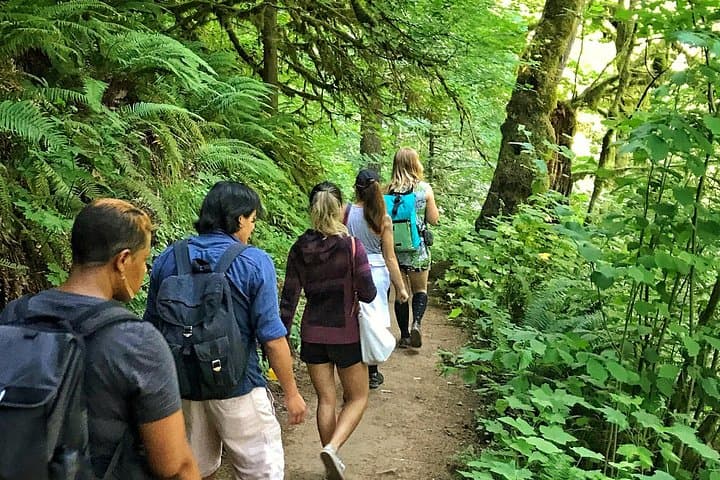
Lose the city for a few hours without leaving it: this 5-mile, 900-foot-gain Forest Park loop threads old-growth pockets, city viewpoints, and cultural landmarks for a compact taste of Portland’s wild side. Expect moss, roots, and stories.