

What the day feels like
You arrive before dawn, when the island light is thin and sharpened. A cold, saline wind from the Atlantic threads through your layers and the cone-shaped silhouette of Kirkjufell sits like a black arrowhead above the coastal plain — a solitary mountain whose steep flanks fall almost theatrically into the landscape. In the shallow basin below, Kirkjufellsfoss keeps time, a three-tiered waterfall that laughs and hisses as it slides over basalt steps. When the sun comes, it doesn’t so much illuminate the place as transform it: ridges flare, the Atlantic turns to pewter, and every puddle becomes a small, perfect mirror.
Kirkjufell (pronounced KEER-koo-fetl) is compact in the scheme of Icelandic giants — 463 meters high — yet it commands attention because of its shape and setting. On the Snæfellsnes Peninsula, which locals often call “Iceland in miniature,” the mountain is a punctuation mark on a coastline of lava fields, black-sand beaches, and fishing villages. Visitors come for that picture-postcard composure, for the waterfall frames below, for the light that photographers prize at dawn and dusk, and in winter for the northern lights that often sweep across the sky behind the peak.
Geology and history are stitched into the rock. Kirkjufell is a product of volcanic eruptions and glacial carving; its steep, layered profile shows the dialogue between fire and ice that shaped so much of Iceland. The peninsula itself is younger than it looks in human terms: basalt flows, pillow lavas, and tuff deposits speak to a few million years of volcanic theater. Local communities like Grundarfjörður — the closest town — have long been oriented toward the sea. Fishing boats still bob in its harbor, and the town functions as the base for trips that fold Kirkjufell into a larger day: the black church at Búðir, the basalt stacks at Lóndrangar, the sweep of Djúpalónssandur’s pebbled shore.
In recent years Kirkjufell has acquired a kind of celebrity beyond Iceland’s borders: it doubled as a landmark in Game of Thrones, and “most-photographed” claims follow it wherever visitors gather. That popularity is a double-edged sword. Small-group and private Snaefellsnes tours — many leaving Reykjavík for long-day explorations — make it easy to see Kirkjufell without the logistics of self-driving in winter, and photography-focused itineraries will time your visit for ideal light. But the best experience is still the one that respects the mountain: arrive quietly, watch the weather turn, and be prepared to leave room for others at the prime viewing angles.
Practical context: there’s no formal summit trail for casual hikers and the true ascent to the top becomes steep and scramble-heavy; sections are exposed and can be treacherous in wind, ice, or wet rock. Most visitors content themselves with the walk around the falls and the classic camera compositions from the dirt parking area near the river. If you do intend to climb the ridge, consider hiring a local guide and treat it like a basic alpine route: check conditions, bring crampons and ropes in winter, and don’t attempt the upper sections in poor visibility.
How this place fits into a trip: Kirkjufell is almost always visited as part of a larger Snæfellsnes circuit. Day tours and private experiences combine it with Vatnshellir lava cave, the black pebble shore of Djúpalónssandur, and scenic stops at Arnarstapi and Búðir. Multi-day and photography tours will linger longer, chasing sunrise, sunset, and — in season — the aurora. If your priority is photos, book a photographer-led small-group tour or add a dedicated photography day to your itinerary; if your priority is sleep and flexibility, base yourself in Grundarfjörður and drive out early.
Timing and logistics: Dawn and dusk are the high dividends for photographers. In summer, the light is long and forgiving; in late autumn and winter the short days concentrate the magic into an hour or two, and the aurora can crown the mountain. Bring waterproof layers and good boots; the ground between parking area and falls is often muddy and uneven. There’s a paid parking area, and facilities in Grundarfjörður cover basic needs.
Practical advice: bring patience as much as gear. Allow time to move away from the main viewpoint and walk along the stream to discover quieter frames and different reflections. Respect private land and posted signs; Iceland’s fragility is literal — moss and tundra take decades to recover from footprints.
Kirkjufell is a short, intense lesson in why people travel for landscapes: the mountain is not vast in size but it’s full in character. It rewards the traveler who comes with curiosity and restraint — who is interested less in checking a box and more in listening to the wind pull across the ridge, watching that water froth over basalt, and letting a fleeting moment of light become the detail you carry home.
Trail wisdom
Small choices, better day.
Aim for golden hour
Sunrise and sunset deliver softer light and fewer crowds—arrive 30–60 minutes early to scout compositions around Kirkjufellsfoss.
Mind the footing
Trails near the falls can be muddy and slippery; wear sturdy, waterproof boots and use trekking poles if you’re moving off the main path.
Avoid a summit scramble solo
The upper slopes are steep with loose rock—hire a guide if you plan to attempt the ascent and avoid in high winds or icy conditions.
Pack for quick weather shifts
Bring a windproof shell and rain layers even on clear mornings—the coast can change fast.
Local knowledge
Read the place, not just the route.
Watch for native species including Harbor seals at nearby Ytri Tunga, Arctic terns and other seabirds on coastal cliffs.
Keep an eye out for wildlife during the transition between areas and habitats. Respect distance guidelines.
Stick to established paths and parking areas—vegetation, especially moss, is fragile and can take decades to recover from damage.
Follow the guide's instructions on size limits, ethical handling, and leave-no-trace practices.
Walk upstream from the main lot for quieter reflections and alternate angles. Visit the small fishing museum in Grundarfjörður for local history and maritime context
Locally recommended viewpoints and quiet spots known best to local operators.
Grundarfjörður and the Snæfellsnes coast are long-established fishing communities; the region’s lava fields and craters record eruptions from different geological epochs.
Maritime roots and regional tradition shape the waterways and working coasts.
Seasonal guide
Four versions of the same landscape.
Spring
Best forMelting waterfalls · Migratory birds · Longer daylight for exploration
ChallengesUnstable trail sections · Slushy conditions · Unpredictable storms
Spring brings thawing streams and lively waterfalls; expect variable weather and muddy approaches.
Summer
Best forMidnight sun photography · Milder hiking conditions · Extended exploration of Snæfellsnes
ChallengesMore tourists · Wind can still be strong · Midnight sun reduces aurora chances
Longest days make it easy to explore widely—plan for crowds but enjoy comfortable hiking weather.
Fall
Best forAutumnal light · Northern lights emergence · Fewer crowds
ChallengesShortening daylight · Colder nights · Possible early snow
Crisp air and rich light make fall ideal for photography and aurora hunting—pack warm layers.
Winter
Best forAurora photography · Snow-draped landscapes · Dramatic coastal light
ChallengesShort daylight windows · Icy trails · Potential road closures
Winter offers cinematic scenes and aurora opportunities but requires careful planning and winter gear.
Pack with intention
What to bring.
Good to know
Common questions.
Kirkjufell is about a 2–2.5 hour drive from Reykjavík along Route 1 and Road 54 to Grundarfjörður; many day tours depart Reykjavík and include transport and commentary.
Plan the edges
The details that make the day easier.
Kirkjufell is 463 meters tall and has been used as a filming location for HBO's Game of Thrones; it’s frequently cited as one of Iceland’s most photographed mountains.
Grundarfjörður’s harbor-side cafés serve langoustine and locally caught fish; engage with small local guides for storytelling about fishing heritage and volcanic landscapes.
- Access
- paved roads to parking; Duration: 1–4 hours on-site; Cost: paid parking in season; Closest services: Grundarfjörður (5–10 minutes).
Stick to marked areas, avoid trampling moss, and favor local guides to support small communities—these small choices keep the Snæfellsnes landscape resilient.
Explore by topic
Follow the threads.
Keep exploring
Make the story part of the trip.
In four hours you can move from shaded canyon ferns to wind-scoured coastal ridgelines, guided by someone who knows where the light—and the hidden views—live. This private half-day hike on the Monterey Peninsula or Big Sur is compact, curated, and perfect for travelers who want depth without a multiday commitment.
 Related story
Beneath a sky of shifting light, Skaftafell’s ice reads like a map of time. This three-hour guided glacier hike mixes technical instruction with geology and culture: compact, safe, and unforgettable.
 Related story
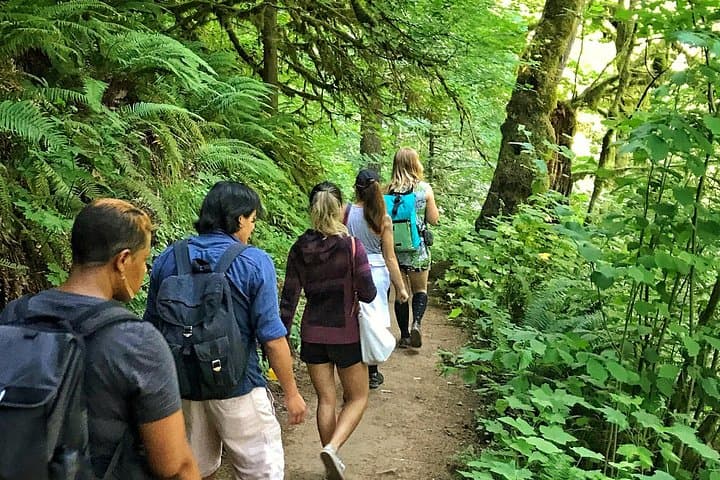
Lose the city for a few hours without leaving it: this 5-mile, 900-foot-gain Forest Park loop threads old-growth pockets, city viewpoints, and cultural landmarks for a compact taste of Portland’s wild side. Expect moss, roots, and stories.