

What the day feels like
You arrive before dawn and the mountains are still keeping their secrets. A bank of cloud clings to the saddle of Triglav like an old wool blanket; the first light skims limestone ribs and turns scree to silver. Below, the Soča River—an improbable, jewel-toned thread—cuts the valley like a dare. This is the Julian Alps: compact, mercurial, and built for movement. Hikes here push on to jagged ridgelines and glacial cirques; rivers invite you into technical canyons and whitewater; winter reshapes the same slopes into a playground for ski tourers. Everything feels immediate.
The range itself is a story of stone and water. Formed from the same Mesozoic limestones that crown much of the southern Alps, the Julian chain rises quickly from the Adriatic-influenced lowlands, which is why weather in these mountains changes in a single valley. Triglav—the nation’s highest peak at 2,864 meters—wears the country’s identity on its shoulder: its silhouette even appears on Slovenia’s flag. Human history here is quieter but layered: shepherding and seasonal grazing shaped the alpine pastures, while military routes and wartime passes left old trails that now guide modern trekkers.
Culture in the Julian Alps readies you for modest comforts and big views. Mountain huts (koče) are part hostel, part alpine kitchen: thick goulash, polenta, sour milk and a local cheese tucked between slices of dark bread after a long day. In valley towns like Bovec and Bohinj, guides and outfitters are family-run and direct—you’ll swap weather reports and route tips over coffee the way climbers swap rope histories.
Why travel here? The Julian Alps thread together contrasting energies: short, hard hikes that gain rocky summits in a single day; quiet lakeside mornings at Bohinj or the Seven Lakes; adrenaline sports clustered around Bovec and the Soča Valley; and winter-spring ski tours that pull you through pristine couloirs. If you like the idea of doing a multi-day traverse—packing light and moving swiftly—routes like the Triglav 7 Lakes Hiking Traverse with Triglav Climb deliver everything in one connected, scenic knot: alpine lakes, high passes, and a final scramble that rewards with far-reaching views to the Adriatic on clear days.
Practical sense lives alongside romance here. The Julian Alps are compact—meaning bad weather can close passes quickly—and many of the best experiences work best with local knowledge. Guided offerings speak to this: bespoke ski touring with IFMGA-certified guides, paragliding tandems launch from ridge highs above Bovec, and canyoning companies walk you through gorges with helmets and harnesses. Popular, bookable experiences include the Soča Valley and the Alps Trek (five active hiking days with an overnight hut), zipline runs above Bovec that send you hurtling across emerald valleys, and the Emerald River Adventure, a full-day sampler of Triglav National Park and the Soča.
Route specifics to keep you practical: a classic 7-lake traverse is commonly spread over two days or squeezed into a very long one—expect 20–25 km of trail and 1,800–2,500 m of cumulative ascent and descent depending on start/finish points; plan 8–12 hours if attempting as a single push. The Soča Valley treks typically string together 5–6 days of hiking with daily stages of 12–20 km and elevation changes of 600–1,000 m. Ski touring routes vary widely: many guided outings aim for 6–8 hours in the day with 800–1,300 m of ascent on varied snowpacks. Hut-to-hut itineraries are common and practical—book ahead in high season.
Safety and preparation are straightforward if taken seriously. In summer bring sturdy boots with ankle support, a light shell, and a headlamp for early starts; in shoulder seasons and winter, avalanche education and a beacon, shovel and probe are non-negotiable for backcountry ski touring. Weather turns fast—carry layers and always check local mountain forecasts and hut openings. For technical activities—paragliding, canyoning, zipline—use licensed operators who provide certified equipment and instruction. If you plan to climb Triglav’s normal route, be ready for exposed scrambling and short fixed cables on the summit ridge.
Logistics: Ljubljana is the main international gateway (about 80–120 minutes to western access points by road); Bovec and Lake Bohinj are the best valleys to base yourself depending on chosen activities. Public transport exists, but a hire car or shuttle will expand options and timing—many trailheads sit 30–60 minutes from towns by mountain road. Huts fill up in July and August; reserve if you need a roof. Respect Triglav National Park rules: no camping outside designated sites and pack out waste.
If the Julian Alps reward persistence. On a fog-cleared morning, ridgelines throw their shadows across valleys and the Soča dares you downstream with its impossible color. Whether you’re threading a crampon line in late winter, racking up kilometers on a multi-day trek, or taking a tandem paragliding run that lets the mountains fall away beneath you, the region is built to move you—physically and a little bit inward.
Recommended next steps: choose your season based on the activity—summer for hut-to-hut hiking, winter and spring for ski touring—and book a guide for technical objectives. Pack for quick weather and plan your days for light, efficient movement so you can feel the mountains at their most immediate: close, changing, and honest.
Trail wisdom
Small choices, better day.
Start early for the big days
Long traverses like the 7 Lakes route are best started at dawn to avoid afternoon storms and to secure hut beds; expect 8–12 hour options.
Hire a local guide for technical routes
For Triglav summit attempts, ski touring or complex canyoning, a certified guide improves safety and route choice.
Respect park rules and hut etiquette
Triglav National Park prohibits wild camping outside designated sites; book huts in July–August and observe quiet hours.
Prepare for rapid weather switches
Carry a waterproof shell and an insulating midlayer even on sunny mornings—storms can arrive within an hour.
Local knowledge
Read the place, not just the route.
Watch for native species including Alpine chamois (iscrica), Marmots.
Keep an eye out for wildlife during the transition between areas and habitats. Respect distance guidelines.
Triglav National Park protects sensitive alpine habitats—stay on marked trails, avoid picking wildflowers and use established campsites and huts to limit impact.
Follow the guide's instructions on size limits, ethical handling, and leave-no-trace practices.
The saddle above the Seven Lakes where early-morning light strips the water to glass. Less-trafficked Bohinj side valleys for quiet alpine meadows and marmot watching
Locally recommended viewpoints and quiet spots known best to local operators.
Traditional pastoralism shaped the alpine pastures and many current trails follow routes used seasonally by shepherds; Triglav has cultural significance as a national symbol for Slovenia.
Maritime roots and regional tradition shape the waterways and working coasts.
Seasonal guide
Four versions of the same landscape.
Spring
Best forearly-season ski touring · water-rich canyons and waterfalls
Challengesunsettled snow conditions · melting snow increasing stream crossings
Spring is transitional: ski touring remains excellent on higher slopes, while lower trails open as snow melts—expect variable conditions and strong meltwater in rivers.
Summer
Best forhut-to-hut trekking · via ferrata and summit scrambling
Challengescrowded huts and trails in July–August · afternoon thunderstorms
Summer is peak season for hikers and alpine huts—perfect for long traverses, but book huts ahead and plan for early starts to beat heat and storms.
Fall
Best forclear, stable weather for ridgeline views · fewer crowds and crisp air
Challengesshorter daylight hours · early snowfall at higher elevations
Fall brings clear visibility and solitude; expect cool mornings and the first snows on high passes—layering is essential.
Winter
Best forski touring and snowshoeing · powder runs in sheltered couloirs
Challengesavalanche risk and route closures · limited hut services
Winter turns the Julian Alps into a serious ski-touring arena—only attempt backcountry travel with avalanche training, a guide, and full safety kit.
Pack with intention
What to bring.
Good to know
Common questions.
No, Triglav’s normal route is non-technical in summer but involves exposed scrambling and fixed cables; many hikers opt for a guide for safety, route-finding and rope-assisted sections.
Plan the edges
The details that make the day easier.
Triglav is the highest peak in Slovenia at 2,864 meters and its three-headed silhouette is a national symbol appearing on the Slovenian flag and coat of arms.
Try hearty alpine dishes at mountain huts—cheese, jota (bean and sauerkraut stew), and local honey—and sample Kranjska klobasa (Carniolan sausage) in valley inns; many small towns have beekeeping and dairy traditions tied to mountain pastures.
- Nearest major airport
- Ljubljana (LJU) ~90–120 min drive; best bases: Bovec (Soča Valley) or Bohinj
Travelers should stick to marked trails, use established huts and campgrounds, pack out trash and avoid disturbing alpine flora—these mountains recover slowly from erosion and trampling.
Explore by topic
Follow the threads.
Keep exploring
Make the story part of the trip.
In four hours you can move from shaded canyon ferns to wind-scoured coastal ridgelines, guided by someone who knows where the light—and the hidden views—live. This private half-day hike on the Monterey Peninsula or Big Sur is compact, curated, and perfect for travelers who want depth without a multiday commitment.
 Related story
Beneath a sky of shifting light, Skaftafell’s ice reads like a map of time. This three-hour guided glacier hike mixes technical instruction with geology and culture: compact, safe, and unforgettable.
 Related story
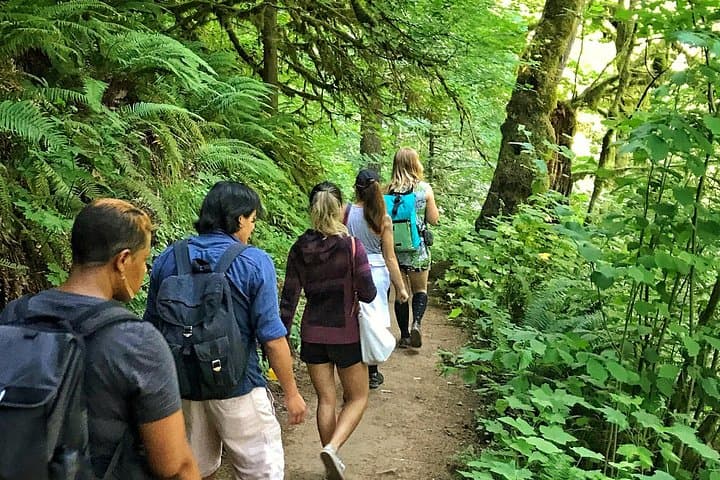
Lose the city for a few hours without leaving it: this 5-mile, 900-foot-gain Forest Park loop threads old-growth pockets, city viewpoints, and cultural landmarks for a compact taste of Portland’s wild side. Expect moss, roots, and stories.