

What the day feels like
The boat nudges into the sand like a curious guest, and for a moment the loud city of Salvador feels like a distant rumor. Palm fronds lift and fall with a lazy rhythm while slabs of sunlight stitch golden bands across four crescent beaches. This is Morro de São Paulo: an island where the horizon is the neighborhood, the tide writes the day's schedule, and the most important decisions are which beach to claim and whether to follow a tide pool trail or climb a sandy stair for the view.
On a day trip from Salvador you arrive by sea—an hour to two, depending on whether you opt for a fast boat or the slower, more relaxed catamaran. The transfer is part of the ritual: the bay disgorges its traffic of fishermen, day-trippers, and sunburnt travelers who step onto compacted sand and wooden boardwalks. There are no cars here. Paths wind between modest pousadas, barefoot cafés, and small markets selling coconuts, caipirinhas, and freshly fried acarajé. The island moves at a human pace: deliberate, humid, and wide-eyed.
Geology and landscape are simple but decisive. Morro de São Paulo sits on the island of Tinharé, a coral- and sand-built spine that faces the open Atlantic. Beaches are arranged like a string of pearls—Primeira (First) through Quarta (Fourth)—each with a distinct personality: First Beach is the gateway with the ferry and the bustle; Second Beach is the social hub with beach bars and waves that invite body-surfing; Third Beach narrows and shelters natural rock pools that reveal small reefs at low tide; Fourth Beach stretches into quieter, more open sand where you can find elbow room and a longer walk toward mangroves.
The island's human story is shorter than the coastline's. Portuguese colonists, sugarcane planters, and later the ebb and flow of Brazilian coastal trade shaped the settlements on Tinharé. Today the culture is Bahian—an Afro-Brazilian pulse of rhythm and flavor that shows up in food, music, and the friendly, rollicking hospitality of local vendors. Moorings, mangrove channels, and reefs are not only natural features but living systems that locals depend on for fish and tourism income; you sense that this place is shared and fragile.
Why go? For many travelers a day trip from Salvador is enough: quick, restorative, and deeply photogenic. You can walk between beaches in 10–45 minutes; you can snorkel in clear pools, ride a short boat to nearby natural pools, or ascend a short, sandy trail to a viewpoint that collapses the island into a single postcard. For those with more appetite, Morro is also a stop on longer North Brazil itineraries that fold in Amazon cruise legs, dune safaris, and jungle lodges—a contrast between urban Salvador and the broader coastal and inland ecosystems.
Practical edge: tides steer your best experiences. At low tide, natural pools and shallow reefs emerge, perfect for snorkeling and for families who want clear water without big waves. At high tide the surf gets livelier and beach bars come alive. Footwear matters—sand transitions to coral rock, wooden stairs to cobbled alleys—so bring water-friendly shoes. Cash still matters here; some small vendors and boats prefer reais in hand.
A day can be as active or as gentle as you like. Start early if you want a quieter mora (morning) and softer light for photos. Spend late afternoon on Third Beach's pools or climb to the island's viewpoint to watch sunset crowd the ocean; the sky often explodes in colors that reward whatever camera you carry. If you're traveling beyond a day, schedule at least one low-tide snorkel session and, if possible, a short boat trip to the island's natural pools that lie a little offshore—these are the region's best shallow snorkeling spots.
Choices on the way: the organised 'Morro de São Paulo Day Trip from Salvador' is a fast-acting option—transport arranged, time optimized, and local insight baked in. For travelers who want immersion beyond a day, multi-day North Brazil itineraries include Morro as a highlight among jungle cruises, dune safaris, and cultural arrivals in colonial towns—perfect if you're collecting a broader sense of Brazil's north coast and interior.
Safety and stewardship are straightforward. The water is warm but currents can be strong off the open beaches—ask a lifeguard or local whether conditions are safe for swimming. Use reef-safe sunscreen and avoid walking on coral. Respect the island’s small ecosystems: mangroves are nursery grounds, and the natural pools are delicate communities of anemones, small fish, and crustaceans.
Morro de São Paulo is not a polished resort destination. It thrives in its imperfect, laid-back way. Expect barefoot hospitality, seafood grills that smoke all afternoon, music spilling from bars when dusk settles, and a community that balances tourism with daily life. Whether you have one day or several, this is an island that rewards curiosity: follow the tide, sample the local cuisine, and leave your plans light enough to let the island rearrange them.
How to plan: pick your season based on priorities—sun and calmer seas in the local spring, louder cultural life in high summer—and book transfers in advance during holiday weeks. Bring a small dry bag, a good pair of water shoes, and a sun hat that can survive a salty breeze. Arrive with the expectation that the best parts of Morro happen between a walk, a swim, and a conversation with someone who grew up with the tides.
Trail wisdom
Small choices, better day.
Time your tide
Plan low-tide for snorkeling and natural pools; high tide brings stronger surf and fuller beach bars.
Bring water shoes
Beaches include coral shelves and rocky pools—water shoes protect feet and help with slippery surfaces.
Carry cash
Small vendors and boat operators often prefer reais—ATMs can be scarce on the island.
Respect reef life
Use reef-safe sunscreen and avoid stepping on coral to protect fragile marine habitats.
Local knowledge
Read the place, not just the route.
Watch for native species including Bottlenose and spinner dolphins nearshore, Sea turtles in nesting season (occasionally).
Keep an eye out for wildlife during the transition between areas and habitats. Respect distance guidelines.
Local conservation focuses on protecting coral reefs and mangroves; visitors are encouraged to use reef-safe sunscreen and avoid disturbing tidal pools.
Follow the guide's instructions on size limits, ethical handling, and leave-no-trace practices.
Walk the sand trail beyond Fourth Beach toward quieter coves for nearly private shoreline. Explore tide pools on Third Beach at low tide to see small reef fish and invertebrates up close
Locally recommended viewpoints and quiet spots known best to local operators.
Morro de São Paulo developed as part of the colonial coastal trade network on Tinharé Island; its small settlements reflect Portuguese-era coastal economies and Afro-Brazilian cultural influences.
Maritime roots and regional tradition shape the waterways and working coasts.
Seasonal guide
Four versions of the same landscape.
Spring
Best forclear water snorkeling · fewer crowds · pleasant temperatures
Challengesoccasional rain · variable ferry schedules
September–November brings warm seas and thinner crowds—excellent for natural pools and beach walks.
Summer
Best forvibrant nightlife · festivals · full-service beach bars
Challengespeak crowds · higher prices · stronger sun
December–February is lively with tourists and events; plan transfers and lodging well in advance.
Fall
Best forcalm seas for boat trips · longer daytime for activities · great photography
Challengesintermittent rain showers · seasonal boat maintenance
March–May balances warm weather with fewer tourists—ideal for relaxed exploration.
Winter
Best forlower-season rates · quieter beaches · mild temperatures
Challengescooler water on some days · reduced service hours
June–August is the island’s low season—quieter, but check boat times and services.
Pack with intention
What to bring.
Good to know
Common questions.
Travel time ranges from about 1 hour on a fast boat to roughly 2 hours by catamaran or ferry, depending on the service chosen and sea conditions.
Plan the edges
The details that make the day easier.
Morro de São Paulo is largely car-free—transport on the island is primarily by foot, boat, or small carts, which preserves its laid-back atmosphere.
Bahian cuisine colors every meal—try fresh seafood, moqueca (fish stew) when available, and street-side acarajé; evenings often feature live samba or percussion that reflects Afro-Brazilian cultural roots.
- Know-before-you-go
- 1–2 hour boat transfer from Salvador, mostly car-free island paths, limited ATMs, low-tide best for snorkeling, reef-safe sunscreen recommended; pack cash and water-friendly shoes.
Support local businesses, avoid single-use plastics, use reef-safe sunscreen, and respect marked nesting areas and tide pools to reduce your footprint on this fragile island ecosystem.
Explore by topic
Follow the threads.
Keep exploring
Make the story part of the trip.
In four hours you can move from shaded canyon ferns to wind-scoured coastal ridgelines, guided by someone who knows where the light—and the hidden views—live. This private half-day hike on the Monterey Peninsula or Big Sur is compact, curated, and perfect for travelers who want depth without a multiday commitment.
 Related story
Beneath a sky of shifting light, Skaftafell’s ice reads like a map of time. This three-hour guided glacier hike mixes technical instruction with geology and culture: compact, safe, and unforgettable.
 Related story
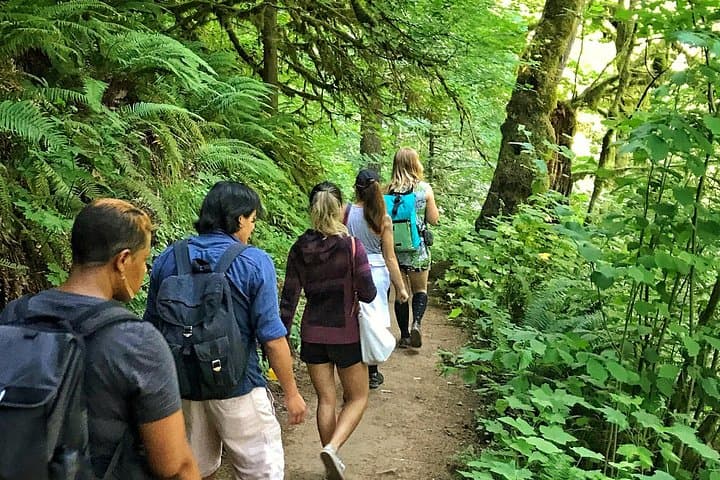
Lose the city for a few hours without leaving it: this 5-mile, 900-foot-gain Forest Park loop threads old-growth pockets, city viewpoints, and cultural landmarks for a compact taste of Portland’s wild side. Expect moss, roots, and stories.