

What the day feels like
The first time you round the low basalt shoulders of San Cristóbal and spot Isla Lobos, it reads like a punctuation mark on the ocean — a squat, wind-sculpted islet rimmed with black rock and a scatter of white-bellied birds. A speedboat eases in; the engines drop from a throaty growl to the soft slap of wakes. You step out into water the color of broken glass, and the island’s residents offer no pretense of shyness. Galápagos sea lions regard you with the kind of tolerant curiosity that has shaped the Archipelago: they will come within arm’s reach, belly-flopping and barking, while blue-footed boobies preen on the cliffs and brown noddies wheel overhead.
Isla Lobos is small — a place that rewards slow removal of boot and mask rather than grand ambitions. The island’s walking trail is short, the hikes unassuming but richly concentrated: tidal pools where blue-green seaweed clings to rock, algae-slick beaches where females nurse pups, and cairns of volcanic rubble that frame sudden, cinematic views of San Cristóbal’s coastline. It’s a condensed Galápagos primer. In a single morning you’ll see the fundamental characters of the islands performing the everyday drama of evolution — curious sea lions, a colony of boobies with fluorescent feet, and the constant motion of the Pacific shaping and re-shaping the shoreline.
Geologically Isla Lobos is a child of fire and water. Like its larger siblings, the islet is volcanic basalt carved by wind and wave. Its low relief means that tides and currents sculpt much of the experience; reefs fall away quickly, offering the kind of snorkeling that can make even armchair naturalists forget their watches. The waters off Isla Lobos are a junction of contrasting currents, which is why snorkelers report such a diverse cast beneath the surface: tropical reef fish mingle with pelagic visitors, and green sea turtles slip through kelp beds.
The human history here is quieter but meaningful. San Cristóbal is one of the earliest islands visited by European sailors, and Darwin’s passage through the archipelago in the 1830s helped frame a new conversation about species and place. Isla Lobos got its name from the Spanish lobos marinos — sea wolves — a nod to the very animals that make the islet such an intimate wildlife theater today. As with all Galápagos sites, Isla Lobos sits within the Galápagos National Park, and visitor numbers, landings, and behavior are regulated to preserve these populations.
Why go? The quick answer: proximity. From Puerto Baquerizo Moreno, a 40–50 minute speedboat brings you to an outpost of wild behavior that is both accessible and unfiltered. For travelers who want an uncomplicated, high-reward nature experience — a shore-based stroll, snorkeling in clear water, and a chance to meet sea lions on their own terms — Isla Lobos is extraordinary. It’s ideal for families, first-time visitors to the Galápagos, and photographers who want close animal encounters without the logistics of a liveaboard cruise.
Practicalities matter here in small ways that make a big difference. Boat rides are usually scheduled in the morning when the Pacific is calmest and the light is best for photography and snorkeling. The landing is uneven — volcanic cobbles and small rock beaches — so water shoes or reef shoes are more useful than sandals. The island trail itself is short: plan on a guided walk of 20–40 minutes that rises gently to viewing points before looping back. Snorkel sessions last 20–45 minutes and can be sheltered or exposed depending on sea conditions; a naturalist guide will often brief you about currents and the proper distance to keep from wildlife.
Conservation rules are straightforward but enforced: stay at least two meters from wildlife, don’t feed animals, and avoid applying non-reef-safe sunscreens before entering the water. These constraints aren’t restrictions on experience — they’re the conditions that let this place maintain its character. The guides working trips to Isla Lobos are typically bilingual naturalists trained by the park, and their role is partly to choreograph safe, low-impact encounters while revealing the ecological logic behind what you’re seeing.
Timing and logistics: most visitors reach Isla Lobos as a day trip from Puerto Baquerizo Moreno. Tours often combine a landing on the islet with a stop at nearby Ochoa Beach or a snorkeling ring around productive reefs. Expect a morning departure, a short guided walk, snorkeling with sea lions, and return to town by early afternoon. Bring a dry bag, leave jewelry at the hotel, and plan for sun and wind — the ocean will feel warmer than the breeze.
For those who want more, Isla Lobos is a gateway rather than a destination to conquer. Pair it with other San Cristóbal highlights — the Charles Darwin Research Station, La Lobería, or Kicker Rock for more adventurous snorkeling — and you’ll stitch together a fuller view of the island’s biodiversity and human story.
Isla Lobos doesn’t require epic commitments; it asks instead for attention. It rewards slow moments: the hesitant glance of a pup, the way a booby’s feet flash unexpectedly in a sunlit bath, the precise choreography of a snorkeling sea lion as it darts through a cloud of fish. The island’s pleasures are immediate, natural, and politely demanding: to be quiet, to be present, and to leave with the sense that you have, briefly, been allowed to share the sea lions’ day.
Trail wisdom
Small choices, better day.
Arrive early
Morning trips usually mean calmer seas, clearer water for snorkeling, and softer light for photography.
Wear water shoes
Landings are on rocky, uneven volcanic shore — closed-toe water shoes protect feet and help scramble over slick rock.
Bring reef-safe sunscreen
Apply biodegradable sunscreen before getting on the boat to protect marine ecosystems and avoid washing chemicals into the water.
Respect distance from wildlife
Maintain the park-mandated 2-meter distance from sea lions and birds — never touch or feed animals.
Local knowledge
Read the place, not just the route.
Watch for native species including Galápagos sea lion, Blue-footed booby.
Keep an eye out for wildlife during the transition between areas and habitats. Respect distance guidelines.
The islet is part of Galápagos National Park; strict visitor rules and certified guides minimize disturbance and help protect breeding colonies and fragile reef systems.
Follow the guide's instructions on size limits, ethical handling, and leave-no-trace practices.
Ochoa Beach (Playa Ochoa) — a quiet sand-and-rock coastline nearby with excellent shore snorkeling and sunning.. Early-morning zodiac rides to watch the sea lions wake up — the light is better and the animals are most active.
Locally recommended viewpoints and quiet spots known best to local operators.
Isla Lobos is named for the sea lions (lobos marinos) that historically and currently colonize the islet; the Galápagos’ role in Darwin’s work made these islands central to evolutionary science.
Maritime roots and regional tradition shape the waterways and working coasts.
Seasonal guide
Four versions of the same landscape.
Spring
Best forMigratory bird watching · Warmer sea temperatures · Less wind than winter months
ChallengesPotential showers · Variable sea conditions
Spring (Sept–Nov in local terms) brings moderate temperatures and good visibility for snorkeling, though occasional trade winds can pick up.
Summer
Best forCalm seas for snorkeling · Warmer water and air · Active marine life nearshore
ChallengesHigher visitor numbers · Intense sun exposure
Summer (Dec–May) is the warm, wet season with the best conditions for snorkeling and small-boat travel, ideal for close marine encounters.
Fall
Best forClear skies for photography · Fewer crowds · Good surface visibility
ChallengesCooler currents can reduce water temps · Some choppier afternoons
Fall (transition months) often has stable weather for shore hikes and birdwatching but can bring cooler currents to the water.
Winter
Best forDramatic seas and upwelling-fed wildlife · Fewer tourists · Great for experienced snorkelers seeking nutrient-rich water
ChallengesColder water temperatures · Stronger winds and rougher seas
Winter (Jun–Aug), driven by the Humboldt Current, cools the water and increases plankton — excellent for wildlife but tougher for casual snorkeling.
Pack with intention
What to bring.
Good to know
Common questions.
Most speedboat rides take roughly 40–50 minutes each way, depending on sea conditions and the exact departure point.
Plan the edges
The details that make the day easier.
Isla Lobos gets its name from the Spanish "lobos marinos" (sea lions) and hosts one of the most accessible sea lion colonies in the Galápagos; it is part of the Galápagos National Park and regulated to protect wildlife.
Puerto Baquerizo Moreno’s waterfront mixes Ecuadorian seafood stands, small cafés serving ceviche and fresh tuna, and local guides who ferry visitors to Isla Lobos — a community long tied to the rhythms of the sea.
- From Puerto Baquerizo Moreno
- 40–50 minute speedboat; guided walk 20–40 minutes; snorkeling sessions 20–45 minutes; carry water, reef-safe sunscreen, and water shoes; follow park rules (2-meter distance, no feeding).
Choose operators licensed by Galápagos National Park, use reef-safe sunscreen, and follow distance and no-touch rules to minimize impact on breeding colonies and reef habitats.
Explore by topic
Follow the threads.
Keep exploring
Make the story part of the trip.
In four hours you can move from shaded canyon ferns to wind-scoured coastal ridgelines, guided by someone who knows where the light—and the hidden views—live. This private half-day hike on the Monterey Peninsula or Big Sur is compact, curated, and perfect for travelers who want depth without a multiday commitment.
 Related story
Beneath a sky of shifting light, Skaftafell’s ice reads like a map of time. This three-hour guided glacier hike mixes technical instruction with geology and culture: compact, safe, and unforgettable.
 Related story
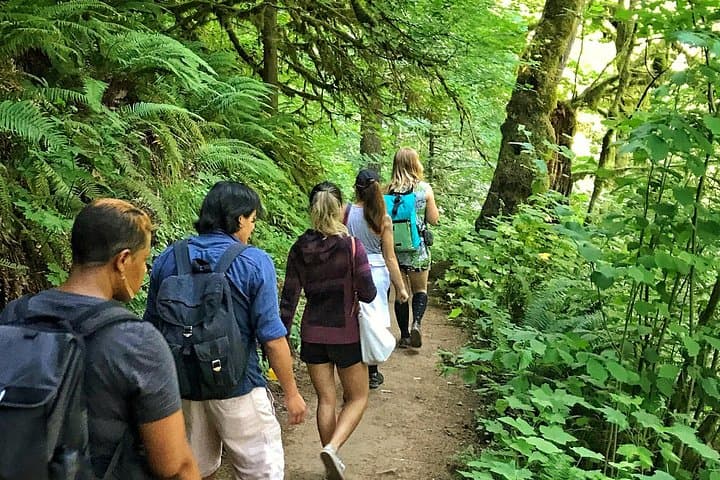
Lose the city for a few hours without leaving it: this 5-mile, 900-foot-gain Forest Park loop threads old-growth pockets, city viewpoints, and cultural landmarks for a compact taste of Portland’s wild side. Expect moss, roots, and stories.