

What the day feels like
The morning on Isabela begins with a low, ocean-scented light that flattens the horizon into a single, luminous seam. You step off the skiff in Puerto Villamil and the island greets you in a handful of taut, unmistakable signatures: a string of black lava fields, a strip of mangrove-scoured shoreline, and the clumsy, patient gait of a giant tortoise moving through scrub as if time itself were a suggestion. There is no rush here; the land was made to be measured in long, slow moments.
Isabela is the largest of the Galápagos archipelago and it feels like it — not polished or curated, but raw and elemental. The island is the fused sprawl of six shield volcanoes; their breath made the curves and seams you walk, the moonlike calderas you look down into, and the shoreline where sea and stone test one another daily. Water pushes and whispers at the lava; wind licks at cinder cones. In a single day you can snorkel crystalline tunnels under an ancient arch, climb a volcanic rim that looks like a shipwreck, and watch flamingos pick the mudflats with the same unconcerned concentration of a monk.
History here is read in rock and biology more than in buildings. Darwin set the tone — Isabela’s landscapes are a living laboratory of evolution — but the deeper, human story is of small fishing settlements, colonists, and conservationists wrestling with the same practical problem: how to live near a place that will not tolerate ordinary footprints. Puerto Villamil is small and hospitable: a cluster of guesthouses, a market, and a handful of guides whose vocabulary blends Spanish, naturalist terms, and the quiet of someone used to watching animals behave on their own clocks.
The play of geology and life is the island’s chief drama. Sierra Negra’s caldera, one of the largest active volcanic craters in the world, resembles a vast, scarred stadium; hiking its rim is a discipline of perspective — low-grasspaths give way to jagged, glassy pahoehoe and the stubborn succulents that colonize new lava. In the water, Los Tuneles is the opposite sensation: a cathedral of basalt arches and swim-throughs where sea turtles, white-tipped reef sharks, and schooling fish move like stained-glass tableaux. Concha de Perla, a small lagoon near town, is where you can mask up and meet Galápagos penguins and sea lions in inches of blue.
Activities on Isabela suit the island’s dual personalities. For people who want to move slowly, hikes to Sierra Negra or uneven walks across lava fields expose you to both geology and endemic plants; they reward you with crater vistas and a sense that the map of the island is still being written. Water-focused travelers will find Los Tuneles and Kicker Rock (a boat ride away) irresistible: snorkeling and kayaking here are not just scenic — they are intimate encounters with an ocean that brings up nutrients and life from the deep. Day trips from Puerto Ayora often include speedboat connections, while longer itineraries — five- to eight-day island-hopping tours — combine multiple anchors: the highlands’ tortoise reserves, snorkeling in protected coves, and guided walks.
Practicalities matter on Isabela. The Galápagos National Park enforces strict biosecurity to limit introduced species; expect to declare clothing and equipment on arrival. Weather is equitable but variable: the warm season (December–May) brings calmer seas and greener highlands, while the cool season (June–November) brings stronger currents, nutrient-rich water and better visibility for divers. Tours to Los Tuneles are typically half-day to full-day trips by zodiac; Sierra Negra rim hikes take several hours with uneven footing and sometimes wind. Guides here are mandatory in many protected areas — not for show, but because they read the landscape and the animals in ways a map cannot.
Preparing for Isabela is pragmatic: reef-safe sunscreen, a snug mask and snorkel, light layers that can handle sun and sea, and shoes that work wet and dry. Bring cash for small purchases and tips (card machines are limited), and carry an appetite for simple, excellent seafood — local ceviche and fresh-caught corvina are island specialties. Respect the wildlife rules: keep distance, don’t feed animals, and follow marked trails. That restraint is not puritanical; it’s the way this place endures.
Isabela is not a polished adventure resort; it’s a place that asks you to adapt. The payoff is elemental: snorkeling through basalt tunnels lit by sunlight, watching a tortoise methodically graze on the volcanic heath, standing on a crater rim with wind carving your attention down into the earth. Travel here is both a physical and ethical exercise — a chance to witness evolution’s generosity and to leave less than you found. When you return to the mainland the sound of the ocean will have stuck in your teeth and the slow patience of the island will change the way you measure your days.
If you go, pick a few experiences and let them sink in. Book a guided Los Tuneles snorkeling trip and a Sierra Negra rim hike on separate days, give an afternoon to Concha de Perla’s snorkeling for quieter encounters, and leave space to simply watch — for the flight of frigatebirds, the shuffle of marine iguanas, the sudden, ridiculous comedy of sea lions at play. Isabela is best understood at the pace of observation, with a readiness to be moved by a landscape still writing its own story.
Trail wisdom
Small choices, better day.
Book a certified guide
Guides are required in many protected zones and provide safety, context, and better wildlife viewing; book ahead, especially for Los Tuneles and Sierra Negra.
Use reef-safe sunscreen
The marine ecosystems are fragile; choose reef-safe sunscreen and apply before arrival to minimize water contact.
Layer for wind and sun
Bring a light windproof shell over sun protection — conditions can shift quickly on crater rims and the shoreline.
Pack a dry bag and water shoes
Zodiac launches and lava walks require waterproof storage for electronics and footwear that grips wet rock.
Local knowledge
Read the place, not just the route.
Watch for native species including Galápagos giant tortoise, Galápagos penguin.
Keep an eye out for wildlife during the transition between areas and habitats. Respect distance guidelines.
Strict biosecurity controls and park regulations protect endemic species; visitors are encouraged to follow Leave No Trace principles and use reef-safe products.
Follow the guide's instructions on size limits, ethical handling, and leave-no-trace practices.
Tintoreras islets near Puerto Villamil for spotting marine iguanas and a quiet snorkel. Mangrove channels north of town where flamingos and wading birds feed at low tide
Locally recommended viewpoints and quiet spots known best to local operators.
Isabela’s modern settlement grew from late 19th-century colonists and later scientific expeditions; its layered story includes whalers, settlers, and conservation pioneers.
Maritime roots and regional tradition shape the waterways and working coasts.
Seasonal guide
Four versions of the same landscape.
Spring
Best forcalmer seas · lush highlands · sea turtle hatchlings
Challengessporadic rain · higher humidity
(December–May) Expect warmer temperatures, greener highlands, and easier snorkeling near the shore; brief showers are common but usually short-lived.
Summer
Best forcalm water snorkeling · wildflower displays · shoreline wildlife
Challengeshotter sun · higher humidity
(December–May overlap) Near-equatorial ‘summer’ months are ideal for comfortable snorkeling and terrestrial walks but bring stronger sun—protective clothing is essential.
Fall
Best fordiving clarity · pelagic sightings · cool breezes
Challengesstronger currents · rougher seas for small boats
(June–November) Cooler, nutrient-rich seas bring manta rays and shark sightings; expect choppier zodiac rides and colder water temps.
Winter
Best forclear underwater visibility · marine megafauna · dry, windy days
Challengescold currents · need for wetsuit
(June–November) The ‘cold’ season offers the best diving conditions and abundant marine life but requires thicker exposure protection in the water.
Pack with intention
What to bring.
Good to know
Common questions.
Most travelers take a speedboat from Puerto Ayora (about 2–3 hours) or a local inter-island flight from Baltra; schedules vary by season and operator.
Plan the edges
The details that make the day easier.
Isabela Island is the largest island in the Galápagos and was formed by the merger of six shield volcanoes; its geology continues to change through periodic eruptions.
Puerto Villamil serves up fresh ceviche and grilled fish alongside small artisan shops and eco-lodges; community-led tours and family-run restaurants emphasize local fishing traditions and sustainable tourism.
- Getting there
- speedboat from Puerto Ayora (2–3 hrs) or inter-island flights; park fees required (approx $100 + transit card); limited card acceptance—carry cash; guided tours recommended for safety and interpretation.
Follow Galápagos biosecurity rules: clean shoes and gear, use reef-safe sunscreen, keep distance from wildlife, and support certified guides and locally-run eco‑lodges to minimize impact.
Explore by topic
Follow the threads.
Keep exploring
Make the story part of the trip.
In four hours you can move from shaded canyon ferns to wind-scoured coastal ridgelines, guided by someone who knows where the light—and the hidden views—live. This private half-day hike on the Monterey Peninsula or Big Sur is compact, curated, and perfect for travelers who want depth without a multiday commitment.
 Related story
Beneath a sky of shifting light, Skaftafell’s ice reads like a map of time. This three-hour guided glacier hike mixes technical instruction with geology and culture: compact, safe, and unforgettable.
 Related story
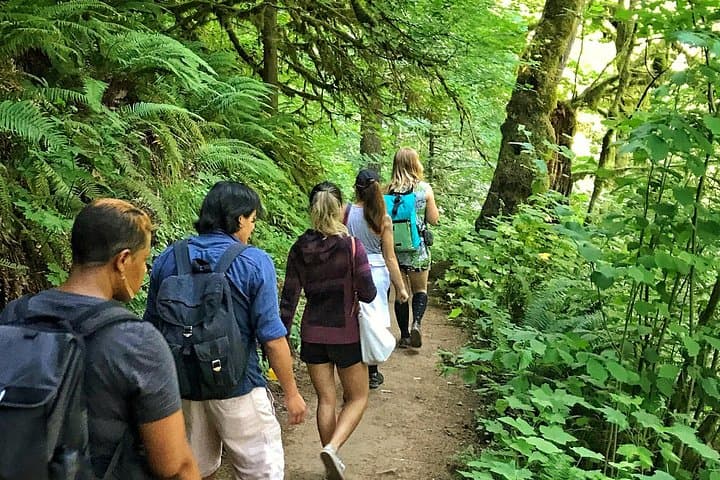
Lose the city for a few hours without leaving it: this 5-mile, 900-foot-gain Forest Park loop threads old-growth pockets, city viewpoints, and cultural landmarks for a compact taste of Portland’s wild side. Expect moss, roots, and stories.