
What the day feels like
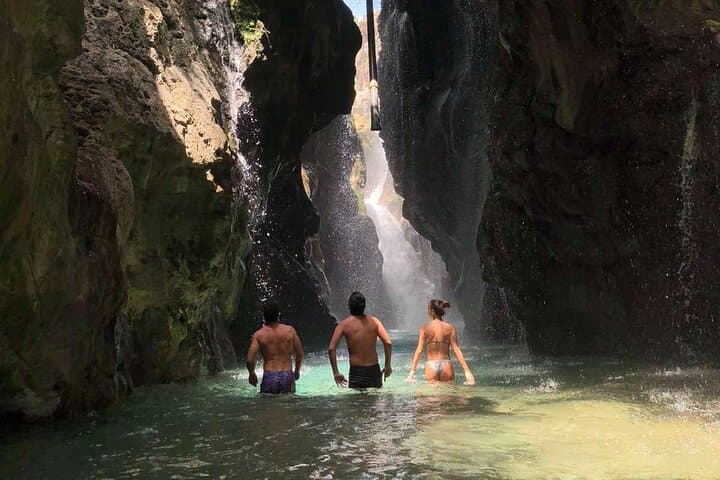
The first time the gorge narrows, the world simplifies to sound. Water negotiating stone, the faint clack of pebbles underfoot, and the hush that cliffs throw back at you. A shaft of late-morning sun slices between limestone walls and turns the river into a bright, moving ribbon. Hands find grip on slick rock; feet test out riverbed steps. Ahead, a curtain of water hangs from a ledge — the Kourtaliotiko Waterfalls — and the only sensible thing is to walk into it.
This is river trekking at Kourtaliotiko Gorge: a three-hour pulse of wet socks, cool swims, and the steady, slow revelation of a wild corner of Crete that most visitors miss. Unlike a marked trail that keeps you above the action, this route insists you get vertical with the river — wading, scrambling, and sometimes swimming beneath cliffs that have been shaped by water over millennia. Guides for this experience keep the group compact, matching pace to conditions and showing the safe lines through tight sections. The reward is immediate: emerald pools, secluded cascades, and the geological architecture of a gorge carved through limestone and dolomite.
Geology and history are written into the canyon walls. Kourtaliotiko — the name evokes the sound the cliffs make, a kind of throbbing echo from which legends have sprouted — was formed as tectonic uplift and erosion tore open the island’s southern flank. Over time the Kourtaliotis River carved a passage to the Libyan Sea, exposing bands of fossil-rich limestone and pockets where spring-fed water feeds moss and fig trees clinging to vertical soil. Humans have used these corridors for millennia: shepherds, olive growers, and coastal fishermen all know the gorge as a route and a source. In a cultural sense, the place sits where Minoan-era Crete gave way to Venetian and Ottoman phases, and the food and people of the nearby villages still reflect that layered history.
The cultural texture you feel after the trek is as important as the river itself. Plakias — the nearest village and a practical base for travelers — is a patchwork of low tavernas, seaside cafes, and olive groves. Locals pour raki at dusk and make a point of insisting you try dakos (Cretan barley rusk topped with tomato and mizithra cheese) after a wet, hungry day. Guides often end trips with a short detour to a cliff vantage point overlooking the Libyan Sea, where the coastline calls you for a salty dip and a quiet beer.
Why go? For one, it’s the intimacy of the route. River trekking collapses the distance between you and the landscape. You don’t look at a waterfall — you cross through it. Second, it’s efficient: in three hours you experience geology, flora, and an adrenaline-dosed type of hiking that’s deceptively technical. And lastly, it’s local — small-group guiding, minimal infrastructure, and an emphasis on leave-no-trace ethics means you see Crete as the people who live there do.
The practical side is straightforward. Expect three hours of mixed movement: wading across waist-deep pools, interval scrambling on wet boulders, short swims where the river deepens, and walking along shallow gravel bars. The terrain is rooted in limestone; grips can be sharp or slippery depending on algae. The route has no significant elevation gain in the traditional sense, but reading the river and conserving energy are core skills. Weather matters: after heavy rain the gorge runs high and fast; guides will not run the trip in unsafe conditions. Most operators include a basic wetsuit or recommend one for shoulder seasons; a small, secure dry bag for a phone and snacks is essential.
Safety and preparation: bring footwear with a grippy, rock-ready sole (neoprene booties or approach shoes), quick-dry clothing, a light wind layer, and a swim top or wetsuit if you’re sensitive to cold. Hydrate before arrival; the guide typically carries a small first-aid kit and will brief the group on exit points and safe lines through tricky stretches. Photography is part of the fun but set a limit — electronic gear in dry cases or left with the guide is the sensible compromise.
Timing tips: mornings are cooler and the light in the gorge is cleaner; late afternoon casts the canyon in gold but can be when water cools and shadows lengthen. Spring (April–June) offers the fullest cascades and the richest vegetation, while September and October run warm and quieter, with lower flows that make downstream sections simpler but still scenic.
Beyond the route itself, think about the sequence of a day: arrival in Plakias, a short drive to the meeting point at the canyon mouth, a safety briefing, then three hours in the river followed by a shower and a meal back in town. For overnighters, pairing the gorge with a coastal day — boat trip to nearby coves or a sunset at Preveli Beach — makes for a well-rounded Cretan adventure.
River trekking at Kourtaliotiko is not for everyone: it asks you to get wet, to accept uncertain footing, and to trust a guide over a blazed trail. For those willing, however, it’s a concentrated encounter with Crete’s wild side: geological time under your feet, freshwater cool enough to take the edge off the midday heat, and a coastline that waits like an open hand at the gorge’s mouth. When you leave, you’ll be the kind of person who checks their shoes for new pebble arrangements and talks a little louder about small waterfalls — the sound of the gorge has a way of staying with you.
Trail wisdom
Small choices, better day.
Wear grippy water shoes
Choose neoprene booties or approach shoes with durable soles to handle slippery limestone and loose gravel.
Bring a small dry bag
Protect your phone and a light snack in a compact dry bag — leave large electronics with the guide.
Pace your swims
Conserve energy by using the current when possible and avoid long swims after heavy rain due to stronger flows.
Follow guide lines
The river route changes with season; stay close to the guide and heed their safety briefing before entering deeper pools.
Local knowledge
Read the place, not just the route.
Watch for native species including Peregrine falcon, Mediterranean lizard species.
Keep an eye out for wildlife during the transition between areas and habitats. Respect distance guidelines.
The gorge is a sensitive habitat—stick to existing routes, avoid introducing soap into the water, and pack out all trash to protect endemic plants and nesting birds.
Follow the guide's instructions on size limits, ethical handling, and leave-no-trace practices.
A cliff viewpoint above the mouth for sunset looking west toward Preveli. A small spring-fed pool halfway up the gorge that’s often empty of visitors
Locally recommended viewpoints and quiet spots known best to local operators.
Kourtaliotiko Gorge formed through tectonic uplift and river erosion; local communities have used its passes for centuries and nearby coastal villages show Venetian and Ottoman influences.
Maritime roots and regional tradition shape the waterways and working coasts.
Seasonal guide
Four versions of the same landscape.
Spring
Best forFull waterfalls · Wildflowers and lush vegetation · Cool-water swims
ChallengesHigher water flows after rains · Slippery algae on rocks
Spring brings strong flow and vibrant greenery — expect fuller cascades and colder water, ideal for dynamic scenes but requiring caution.
Summer
Best forWarm weather swims · Long daylight hours · Combining with coastal activities
ChallengesLower flows can expose sharp rocks · Peak tourist crowds in nearby villages
Summer offers warmer temperatures and easy water sections, making swims comfortable though some pools may be reduced.
Fall
Best forFewer crowds · Warm sea temperatures · Stable weather for guided trips
ChallengesOccasional autumn storms · Cooler water as season progresses
Early fall is a sweet spot — warm days, quieter beaches, and reliable guiding conditions, with cooling water later in the season.
Winter
Best forDramatic weather photography · Robust river flow · Off-season solitude
ChallengesCold water temperatures · Higher, potentially dangerous flows
Winter routes are possible only under controlled conditions; expect significantly higher water levels and colder temperatures, and many operators suspend trips in heavy rain.
Operator details
What the booking data adds.
Included
- ✓Bottled water
- ✓hiking poles
- ✓Lunch
- ✓waterproof bags
- ✓certified guide
- ✓helmets
Not included
- —entrance fee 5 euros per person
Good to know
- ✓Not recommended for travelers with spinal injuries
- ✓Not recommended for pregnant travelers
- ✓Not recommended for travelers with poor cardiovascular health
- ✓Suitable for all physical fitness levels
Pack with intention
What to bring.
Good to know
Common questions.
Expect three hours of intermittent effort: wading, short swims, and scrambling over wet rock. Moderate fitness and comfortable swimming ability are recommended.
Plan the edges
The details that make the day easier.
Kourtaliotiko Gorge (Kourtaliotis Gorge) is carved through Cretan limestone and is frequented by peregrine falcons that nest on its cliffs.
After the trek, head to a seaside taverna in Plakias for grilled fresh fish or dakos and a glass of raki; local chefs favor simple, seasonal ingredients and will welcome muddy boots with a smile.
- Closest airport
- Heraklion (HER) or Chania (CHQ); Driving time from Heraklion to Plakias ~1.5–2 hours; Meeting point: Plakias with short transfer to gorge mouth; Cell service: patchy in the gorge; Permits: none typically required for guided trips.
This is a fragile freshwater and cliff habitat—pack out waste, avoid soap in pools, and support local guiding companies that practice low-impact tourism.
Explore by topic
Follow the threads.
Keep exploring
Make the story part of the trip.
In four hours you can move from shaded canyon ferns to wind-scoured coastal ridgelines, guided by someone who knows where the light—and the hidden views—live. This private half-day hike on the Monterey Peninsula or Big Sur is compact, curated, and perfect for travelers who want depth without a multiday commitment.
 Related story
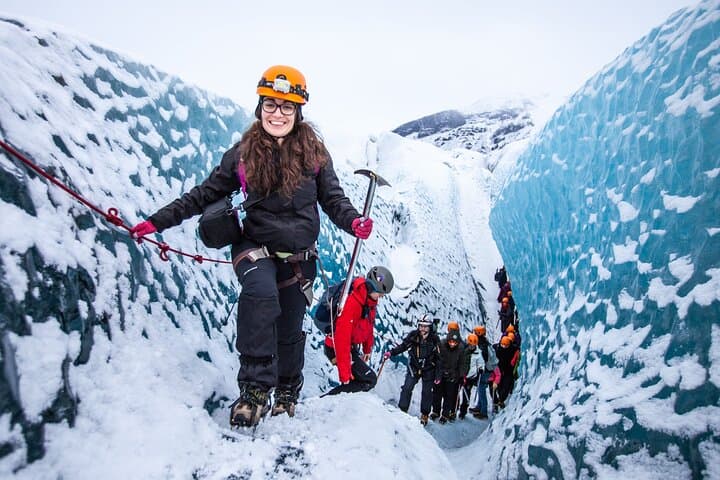
Beneath a sky of shifting light, Skaftafell’s ice reads like a map of time. This three-hour guided glacier hike mixes technical instruction with geology and culture: compact, safe, and unforgettable.
 Related story
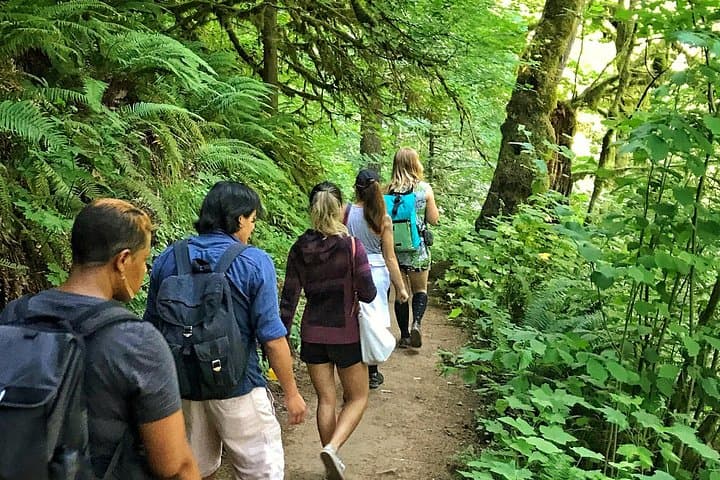
Lose the city for a few hours without leaving it: this 5-mile, 900-foot-gain Forest Park loop threads old-growth pockets, city viewpoints, and cultural landmarks for a compact taste of Portland’s wild side. Expect moss, roots, and stories.