
What the day feels like
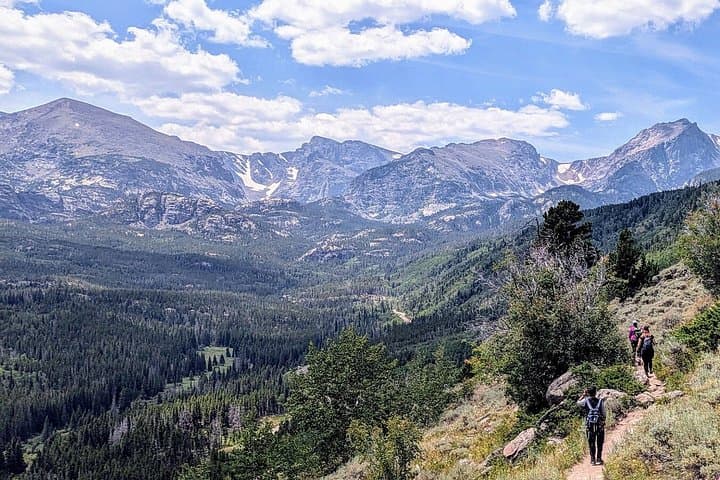
The van's heater hums a steady counterpoint to the morning aspen whisper outside the window, and Denver recedes into a ribbon of highway and memory. By the time you crest the last ridgeline, the park opens like a cathedral: a bowl of frozen lakes, knife‑edged ridges, and tundra that has been pared and polished by glaciers. On a guided 4–5 mile winter hike in Rocky Mountain National Park, every footstep feels deliberate—both because the landscape demands focus and because the silence itself is worth savoring. The guides here don’t just point you down a trail; they read the season—snowpack, wind, recent wildlife sign—and choose a route that fits the day. That flexibility is part of the draw. You’re not on a crowd-sourced itinerary; you’re with people who know how the mountains breathe in January and how they can surprise you by noon. Geologically, these ranges are reminders of two violent stories: the continent‑scale uplift that heaped Precambrian cores skyward, and the glaciers that carved the park’s U‑shaped valleys and cirques. Look closely at the boulders and you’ll see banding and scars of ancient pressure; look up and you’ll see how alpine ridges puncture the sky, their silhouettes often dusted with fresh snow. History here layers similarly. For millennia the Ute and Arapaho peoples moved through this terrain on seasonal rounds; the park itself was set aside in 1915 as a refuge for the rapidly vanishing high country. That conservation impulse underpins the rhythm of the day: tread lightly, appreciate the solitude, leave no trace. Practically, the hike is approachable but not trivial. Expect 4–5 miles on packed snow or a mix of packed snow and crunchy crust, with intermittent elevation gain that can feel stronger in thin winter air. Guides will often arm you with microspikes or snowshoes depending on conditions; if the day calls for snowshoes they’ll be fitted at the trailhead. Terrain ranges from forested switchbacks—where pines hunker under their load—to exposed alpine benches that hand you sweeping vistas and an honest wind. Wildlife viewing is a highlight. Elk hang near the lower valleys in winter; raptors ride thermals or perch vigilantly on dead snags; and if you’re lucky you’ll spot a pair of bighorn sheep picking their way along a talus slope. Guides know the seasonal behaviors and will help you keep respectful distance while framing the best photo opportunities. Speaking of photos: winter light is a photographer’s ally here—low, slanted, and golden in the mornings—so plan to pause when the mountains turn honeyed. As for safety, the guides emphasize a conservative approach. Days can change fast: a clear blue morning can backslide into wind-driven powder by midafternoon. Expect route changes, and be ready to pivot. That’s why guided trips are valuable—an experienced guide can read the mountain like a book and choose the safest, most rewarding line. What should you bring? Layering is everything: a moisture-wicking base, an insulating mid-layer, a windproof outer shell, plus a hat and gloves that can handle cold and boarding winds. Poles help with balance on variable snow. Hydration matters even in cold weather—your breath won’t tell the whole story about fluid loss—so carry an insulated water bottle to prevent freezing. Practicalities: the tour runs about eight hours door‑to‑door when it departs from Denver, including transit to the park and back; the hike itself occupies a comfortable half of the day, giving you time for wildlife window‑watching and a pause on a sunny rock. Park entry fees and a valid vehicle pass are required, and because winter conditions vary, last-minute changes to the meeting time or itinerary are commonplace. For anyone who’s curious about mountain solitude but less practiced with route-finding in snow, this is the perfect middle ground—sobering but exhilarating, manageable but uncompromisingly wild. After the hike, there’s a ritual to complete: a hot meal and something local. In Estes Park, duck into a tavern for a stew and a beer, or head back to Denver for an early evening on a sunny patio—the guides make sure your day ends comfortably. For travelers, the takeaway is clear: a guided winter hike in Rocky Mountain National Park delivers high-country exposure with the scaffolding of safety and local knowledge. It’s not about breaking records; it’s about making every mile count—seeing the geology, the wildlife, and the quiet mechanics of a winter landscape under the care of people who know it intimately. If you go, go patient and prepared. The mountains will respond in kind.
Trail wisdom
Small choices, better day.
Layer for variable winter weather
Bring moisture-wicking base layers, an insulating mid-layer, and a windproof shell to adapt as conditions change on the trail.
Use microspikes or snowshoes
Guides will choose the right traction, but packable poles and warm gaiters make steep, crusty sections far easier.
Hydrate with insulated bottles
Cold weather masks fluid loss and bottles can freeze—use an insulated container and sip frequently.
Respect wildlife distance
Elk and bighorn sheep are easily stressed in winter—use binoculars and let guides set the viewing distance.
Local knowledge
Read the place, not just the route.
Watch for native species including Elk, Bighorn Sheep.
Keep an eye out for wildlife during the transition between areas and habitats. Respect distance guidelines.
The park manages sensitive alpine ecosystems—stay on durable surfaces, pack out waste, and avoid disturbing wildlife, especially during winter when animals conserve energy.
Follow the guide's instructions on size limits, ethical handling, and leave-no-trace practices.
Ribbon Lake viewpoints (less trafficked winter vantage points). Forest bench stops where guides point out recent bighorn sheep sign
Locally recommended viewpoints and quiet spots known best to local operators.
Rocky Mountain National Park was established in 1915 and encompasses landscapes long used by Ute and Arapaho peoples.
Maritime roots and regional tradition shape the waterways and working coasts.
Seasonal guide
Four versions of the same landscape.
Spring
Best forEarly wildflower pockets · Quieter trails · Melting snow runoffs
ChallengesVariable snowmelt · Muddy trailheads
Spring brings a mix of snowfields and thaw; expect muddy approaches and rapidly changing conditions as lower elevations wake.
Summer
Best forWildflowers · Full access to alpine trails · Long daylight hours
ChallengesThunderstorms · Crowds on popular routes
Summer offers classic alpine hiking and stable trails but be prepared for afternoon storms and busier trailheads.
Fall
Best forElk rut viewing · Crisp clear days · Golden aspen displays
ChallengesEarly snow at high elevations · Cooler night temps
Fall is prime for dramatic color and wildlife activity; mornings can be cold and the weather turns quickly at altitude.
Winter
Best forSnowshoeing and winter hiking · Clear low-light vistas · Solitude
ChallengesShort daylight, cold temperatures, icy sections
Winter delivers quiet, snowy landscapes and bright light—but requires traction, layering, and a conservative plan.
Operator details
What the booking data adds.
Included
- ✓Small-Group Adventure – Maximum 10 guests for a more personal experience.
- ✓Water Refills Available – Bring a reusable bottle and stay hydrated all day.
- ✓Fresh Picnic Lunch Included – Enjoy lunch surrounded by alpine scenery.
- ✓Customized Trail Selection – Hikes chosen daily based on conditions and group ability.
- ✓Photo Opportunities – Scenic stops and guide-recommended viewpoints.
- ✓We provide MicroSpikes in the Winter
- ✓Park Entry – Admission and timed-entry reservation included.
- ✓Expert Hiking Guide – Professional guides trained in mountain safety and navigation
- ✓Wildlife & Nature Expertise – Learn about local wildlife, ecology, and geology.
Not included
- —Gratuities
- —Winter Weather Clothing (Coats, gloves, hats, etc.)
- —Recent federal mandates, non-U.S. residents may be required to pay an additional $100 per person fee at Rocky Mountain National Park. Fees are collected at the park gate and are subject to change.
Good to know
- ✓Public transportation options are available nearby
- ✓Not recommended for travelers with poor cardiovascular health
- ✓Travelers should have at least a moderate level of physical fitness
- ✓Minimum age is 8 years old
- ✓Lunch Included - You must call tour operator, IF you have dietary restrictions
- ✓Operates in all weather conditions, please dress appropriately
- ✓This is a moderate hike at altitude that many guests may find challenging. This tour is not recommended for people who do not regularly exercise. Out of respect for the other guests on the tour, please consider our Rocky Mountain National Park sightseeing tour if you are unsure if you can meet the physical requirements. Our guides reserve the right to ask guests to stop or turn around on the hike.
- ✓We cannot guarantee a specific trail - we chose based on day, condition, crowds.
- ✓From November to April, waterproof shoes are highly recommended. Wool socks are also recommended.
- ✓Winter weather conditions may exist in the park, please dress adequately for potentially snowy conditions and low temperatures.
- ✓Lunch Policy for Late Bookings Please note that sandwich orders are placed 24 hours in advance of each tour. Reservations made within 24 hours of the tour start time will not include lunch. Guests booking last-minute are encouraged to bring their own lunch or plan to purchase food during the tour, if time and location allow.
Pack with intention
What to bring.
Good to know
Common questions.
The guided route is rated moderate: 4–5 miles with some elevation gain; guides tailor the day to group ability and current conditions.
Plan the edges
The details that make the day easier.
Rocky Mountain National Park was established on January 26, 1915; its highest peak, Longs Peak, reaches 14,259 feet.
In Estes Park, warm up after your hike at a local pub like Rock Inn Mountain Tavern or grab a hearty bowl at a downtown café; if you return to Denver, check out a craft brewery near Union Station for après-hike beers.
- Closest airport
- Denver International Airport (DEN). Driving: ~1.5–2 hours from Denver to Estes Park
- trailheads (75–90 miles). Cell service
- spotty in high country. Permits
- passes
- park entrance fee and vehicle pass required; check NPS for current rates.
This alpine area is ecologically sensitive—stay on durable surfaces, pack out all trash, and avoid disturbing wintering wildlife to minimize impact.
Explore by topic
Follow the threads.
Keep exploring
Make the story part of the trip.
In four hours you can move from shaded canyon ferns to wind-scoured coastal ridgelines, guided by someone who knows where the light—and the hidden views—live. This private half-day hike on the Monterey Peninsula or Big Sur is compact, curated, and perfect for travelers who want depth without a multiday commitment.
 Related story
Beneath a sky of shifting light, Skaftafell’s ice reads like a map of time. This three-hour guided glacier hike mixes technical instruction with geology and culture: compact, safe, and unforgettable.
 Related story
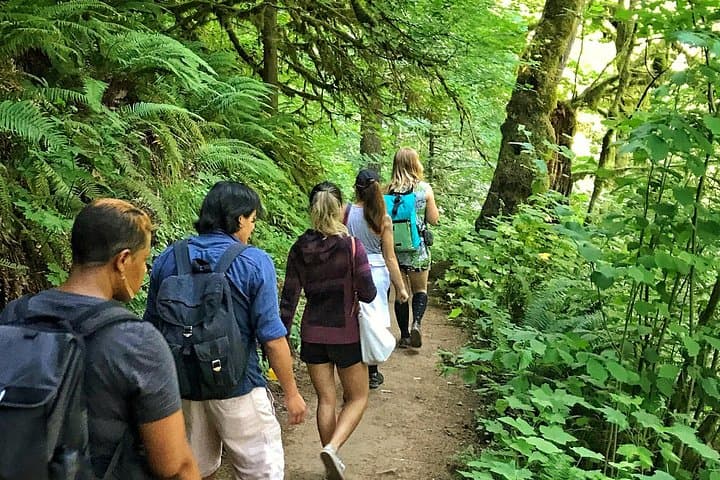
Lose the city for a few hours without leaving it: this 5-mile, 900-foot-gain Forest Park loop threads old-growth pockets, city viewpoints, and cultural landmarks for a compact taste of Portland’s wild side. Expect moss, roots, and stories.