
What the day feels like
The bus eases away from Göreme before dawn, and the landscape opens like a folded map—soft cones and sculpted pinnacles under a sky that feels oversized. You drink coffee with your jacket collar turned up against the cool, and somewhere behind the driver a guide thumbs a radio and says the itinerary out loud: Derinkuyu, Ihlara Valley, Selime Monastery, Pigeon Valley, an onyx demonstration, and a proper Turkish lunch. It’s a long day—about 7–8 hours on paper—but the rhythm of the route turns time into a series of distinct encounters: subterranean rooms, a river daring you into a canyon, and rock-cut sanctuaries that once held whole communities.
The signature moves of the <a href="https://app.advcollective.com/local-experts/cappadocia-green-tour-derinkuyu-ihlara-valley-selime-monastery-day-trip">Green Tour</a> are smart: take you from the town-center bustle of Göreme into the quieter southern reaches of Cappadocia, where geology and history have conspired to create dramatic, memorable moments. The day begins beneath the surface at Derinkuyu Underground City, a surprising counterpoint to the open-air forms Cappadocia is famous for. Descend narrow stairwells into carved halls and imagine how people sealed 8 or more levels against winter and siege; the place could shelter tens of thousands with livestock, stores, and ventilation shafts that read as ancient engineering.
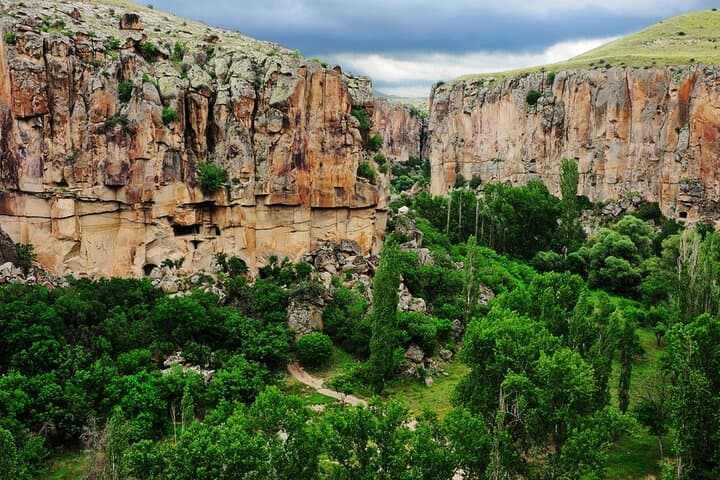
Then the valley pulls you back into light. Ihlara Valley is an emerald seam cut into the plateau—a river at its base, cliffs rising in stratified bands. Most Green Tour variants include a 3–6 km walk along the river, depending on exits and logistics, with a modest elevation exchange—expect roughly 100–200 meters of gain and loss. The trail is clear, shaded in places, and punctuated by Byzantine cave churches with faded, careful frescoes. The canyon doesn't ask for climbing skills; it asks for attention: to the worn stone underfoot, to the way the water moves and the birds ride the air.
Selime Monastery feels like the day’s crescendo. It’s the largest rock-cut monastic complex in the region, multi-level and theatrical, carved where the valley widens. From its high windows you get a perspective on the lunar-quality plain where fairy chimneys gather like a congregation. The tour often finishes with a stop at a small onyx workshop—local craftsmen shaping black and green stone into trinkets—and a panoramic pullout at Pigeon Valley, where pigeon houses pock the cliffs like tiny stacked beehives.
Cappadocia’s story is a geological and cultural palimpsest. Volcanic eruptions millions of years ago laid down soft tuff, and wind and water sculpted that into the hoodoos and valleys you see today. Humans then added another layer: carving homes, churches, and refuges into rock for centuries, leaving a complex built environment that’s both fragile and integral to the cultural landscape. Visiting the subterranean cities, the valley churches, and the monastery is a lesson in adaptability: people turned porous stone into shelter and sacred space.
Practicalities matter. The typical tour is 7–8 hours long and includes museum entrance fees and a restaurant lunch, which is a welcome sit-down after canyon walking. Expect easy to moderate walking with some stair descents and tight passages in Derinkuyu that require bending and careful footing. Good hiking shoes, a hat, and a refillable water bottle will elevate the experience. If you’re bringing a camera, plan for contrasts—bright open plateau light and dim internal chambers—so a small tripod or a camera with good low-light performance helps.
When to go depends on your tolerance for heat and crowds. Spring and early autumn offer the best balance of mild weather and quieter trails; summer can be hot in the open but still pleasant in shaded Ihlara. Winter turns the region hushed and occasionally dusted with snow, which is handsome but can make paths slippery.
A guided Green Tour smooths logistics: pickups from Göreme, timed stops at each site, and the local context only a guide can provide. That said, if you prefer to linger in a monastery niche or take extra photos in the valley, ask your guide—most groups can accommodate small shifts. Respect the sites: don’t touch frescoes, don’t carve initials into rock, and keep noise low inside caves.
At the end of a long day you’ll have a clearer sense of why Cappadocia has a pull. It’s not only the strange, photogenic forms or the postcard panoramas from hot-air balloons. It’s the interplay of shelter and exposure, of things made safe beneath the earth and things made visible on the high plain. The Green Tour is a compact, thoughtful way to read those chapters in a single day—walking beside a river that keeps moving forward, stepping into darkness that once sheltered whole towns, and standing where centuries stack in bands of soft stone.
If you’re planning it, book a tour that includes entrance fees and a small-group size for a more intimate feel. Leave space in your luggage for a small onyx keepsake and a firm memory of the valley’s hush.
Book this Green Tour and get local expert insights here: <a href="https://app.advcollective.com/local-experts/cappadocia-green-tour-derinkuyu-ihlara-valley-selime-monastery-day-trip">Cappadocia Green Tour — Derinkuyu, Ihlara Valley, Selime Monastery day trip</a>.
Trail wisdom
Small choices, better day.
Bring a headlamp or phone light
Derinkuyu’s lower chambers are dim—an extra light helps you navigate tight passageways and appreciate carved details.
Comfortable, grippy footwear
Sturdy hiking shoes reduce slips on uneven canyon trails and stone stairs in underground levels.
Carry cash for small purchases
Onyx workshops, tea stops, and restroom fees sometimes require cash—have small Turkish lira on hand.
Pace your water intake
The hike is moderate but long; sip regularly and refill at the lunch stop to stay hydrated.
Local knowledge
Read the place, not just the route.
Watch for native species including Rock pigeons (notably in Pigeon Valley), Small lizards sunning on tuff rock.
Keep an eye out for wildlife during the transition between areas and habitats. Respect distance guidelines.
Many carved sites are fragile—avoid touching frescoes, don’t remove rock samples, and support local guides who follow preservation rules.
Follow the guide's instructions on size limits, ethical handling, and leave-no-trace practices.
Walk the lesser-used Ihlara trails toward Belisirma for quiet riverside lunch spots. Detour to small village tea gardens near Selime for local snacks and views
Locally recommended viewpoints and quiet spots known best to local operators.
Cappadocia’s cave dwellings and underground cities were often expanded during Byzantine periods to protect populations from invasions and religious persecution.
Maritime roots and regional tradition shape the waterways and working coasts.
Seasonal guide
Four versions of the same landscape.
Spring
Best forWildflowers · Mild hiking weather · Clear photography light
ChallengesOccasional rain · Cool mornings
Spring offers the best balance—cool mornings and blooming valley edges, ideal for hiking and photographs.
Summer
Best forExtended daylight · Lush river spots · Longer walking windows
ChallengesHot plateau days · More tourists
Summer gives long days but can be hot on exposed trails; start early and seek shade in the canyon.
Fall
Best forCrisp air and colors · Stable weather · Quiet trails
ChallengesShortening daylight · Cooler evenings
Autumn mirrors spring in comfort, with warm light and fewer crowds—ideal for a relaxed pace.
Winter
Best forSnow-dusted landscapes · Off-season solitude
ChallengesSlippery paths · Potential closures
Winter is quiet and dramatic when dusted with snow but brings colder conditions and possible route limitations.
Operator details
What the booking data adds.
Included
- ✓Entry/Admission - Kaymaklı Underground City
- ✓Museum Tickets
- ✓Lunch
- ✓All Fees and Taxes
- ✓Entry/Admission - Soğanlı Valley
- ✓Air-conditioned vehicle
- ✓Entry/Admission - Keslik Monastery
Not included
- —Drinks and Special Shoppings
Good to know
- ✓Service animals allowed
- ✓Infants are required to sit on an adult’s lap
- ✓Suitable for all physical fitness levels
Pack with intention
What to bring.
Good to know
Common questions.
Most group itineraries include roughly 3–6 km of walking along the valley floor—gentle but uneven terrain with short elevation changes.
Plan the edges
The details that make the day easier.
Derinkuyu Underground City extends roughly 60 meters deep and has been used as shelter since at least the Byzantine era; some estimates suggest it could house up to 20,000 people.
After the tour head back to Göreme for pottery kebab at a local restaurant, sip a glass of Anatolian wine, or try gözleme at a family-run café; small shops around the town sell onyx and handwoven textiles.
- Closest airports
- Nevşehir Kapadokya (NAV) ~40 min or Kayseri Erkilet (ASR) ~1 hour; Driving from Göreme to Derinkuyu ~35–40 km (40–50 min); Cell service: generally available but patchy inside caves; Permits: museum fees usually included with guided tours.
This area’s rock-cut heritage is delicate—pack out trash, avoid touching frescoes, and support licensed local guides who contribute to site protection.
Explore by topic
Follow the threads.
Keep exploring
Make the story part of the trip.
In four hours you can move from shaded canyon ferns to wind-scoured coastal ridgelines, guided by someone who knows where the light—and the hidden views—live. This private half-day hike on the Monterey Peninsula or Big Sur is compact, curated, and perfect for travelers who want depth without a multiday commitment.
 Related story
Beneath a sky of shifting light, Skaftafell’s ice reads like a map of time. This three-hour guided glacier hike mixes technical instruction with geology and culture: compact, safe, and unforgettable.
 Related story
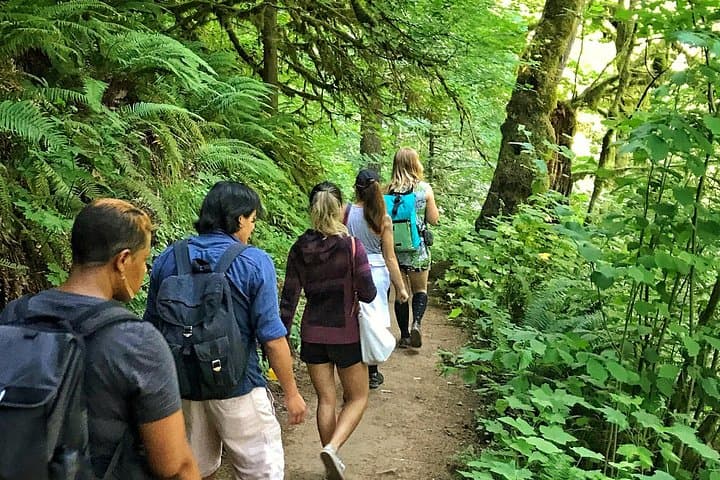
Lose the city for a few hours without leaving it: this 5-mile, 900-foot-gain Forest Park loop threads old-growth pockets, city viewpoints, and cultural landmarks for a compact taste of Portland’s wild side. Expect moss, roots, and stories.