

What the day feels like
The boat picks up in Grand Baie before dawn, engines a soft rumble against an almost glassy lagoon. On the horizon, a thin spine of land reads like punctuation—Coin de Mire; beyond it, a speck of white sand that looks too precise to be real: Ilot Gabriel. By the time the sun clears the rim of the island, the water has turned a color that refuses to be named—turquoise threaded with jade and a kind of sapphire that seems to pull your attention forward. You feel a gentle tug: this is a place the sea insists you notice.
Ilot Gabriel is one of Mauritius’s northern islets, a compact geometry of beach and reef about an hour to 90 minutes by boat from Grand Baie depending on your vessel. For visitors it’s not a long list of must-sees; the draw is elemental and immediate: clean sand, shallow warm lagoons, and snorkeling that puts you shoulder-to-shoulder with parrotfish, angel fish, and—if you’re lucky—sea turtles. Operators run half-day and full-day catamaran and speedboat trips here, often combining Ilot Gabriel with the dramatic Coin de Mire and the low, peaceful Ile Plate for a three-island sweep.
The story of the northern islets is part navigation, part colonial footnote. Coin de Mire—also called Gunner’s Quoin—was a landmark for sailors arriving from the Indian Ocean, its horned silhouette a directional constant. Ilot Gabriel and the surrounding reefs are products of volcanic activity and coral growth; the shallow seabeds that make for great snorkeling are also fragile living structures, an underwater architecture that has taken generations to build.
Mauritian culture shows up easily on these trips. Creole rhythms—Sega music—often accompany the crossing; crews who grew up on these waves serve punchy local cocktails and a beachfront-style BBQ on some boats, offering grilled fish, marinated meats, and salads bright with local lime and coconut. It’s a small slice of the island’s culinary identity, made for tucking into between swims.
Why choose Ilot Gabriel? For many travelers the appeal is practical as much as picturesque. The reefs are shallow and accessible; snorkeling gear is usually provided; operators design itineraries to give you long stretches on the sand (three hours on Ilot Gabriel isn’t uncommon) and then short, exciting snorkeling stops at Coin de Mire or the channels between the islets. Catamaran trips emphasize relaxation and social time aboard, with all-inclusive drinks and a midday BBQ. Speedboat options trade a little leisure for a sharper, more private day: higher speed, fewer people, and the possibility to explore multiple spots with more flexibility.
There’s a physical rhythm to a day here. You step from the dock into the boat’s shade for a 30–90 minute crossing depending on the route, then the island offers three states: float, explore, and sleep. Floating over the reef on a snorkel, you’ll notice how the current teases you along channels and how the reef topography changes—flat bommies give way to walls and little coral gardens. Onshore, the island’s small interior offers sun-warm shade under low scrub and a quiet that feels like a public secret.
Practical planning matters. Most operators leave Grand Baie early to catch calmer seas and quieter beaches; a typical catamaran runs 6 hours on the water (8 with pickup and drop-off), while many speedboat excursions are closer to 5–6 hours. Tours generally include snorkeling gear, towels on some boats, and a fill-up of drinks and lunch on the catamarans. Marine sightings—dolphins slicing the wake, whales in the right season, and hawksbill turtles—are part of the promise, but they’re wild encounters, not guarantees.
Safety and sustainability are part of the day. Reefs are alive; anchors and careless swimming damage coral fast. Look for operators that brief guests on reef etiquette—don’t stand on coral, keep a respectful distance from turtles, and avoid non–reef-safe sunscreens. If you’re snorkeling, don a mask and vest if you’re not confident—many boats will provide flotation—and consider a guided snorkel if your comfort level is limited.
On the gear side, it’s a simple packing list: reef-safe sunscreen, a good mask (if you prefer your own), water shoes for scrambling over limestone outcrops, and a light cover-up for sun breaks. Timing your visit matters: shoulder seasons—late spring and early autumn—often mean settled seas with fewer boats, while summer months bring warmer water but occasional windier days. Morning departures yield calmer conditions and solitude; afternoon trips can feel livelier, with more of an on-deck social atmosphere.
Ilot Gabriel is not about conquest; it’s a day to decompress and fill your senses. You’ll leave with sand between your toes and a strip of salt drying on your forearms, having traded time for something elemental: clear water, easy marine life, and the honest hospitality of Mauritian boat crews. For travelers who want a compact day of snorkelable reefs, accessible beaches, and a taste of island sailing culture, Ilot Gabriel is a compact, convincing argument to book the first boat out of Grand Baie.
If you’re planning, look for morning departures, confirm snorkeling gear is included, and pick an operator that emphasizes reef-protective practices. The island does a quiet thing: it makes you notice the sea again. And that, on a day in Mauritius, is plenty.
Trail wisdom
Small choices, better day.
Book an early departure
Morning crossings mean calmer seas, clearer water for snorkeling, and quieter beaches before the flotilla arrives.
Use reef-safe sunscreen
Choose mineral-based sunscreen and apply ashore to protect coral; many operators will ask you to do so.
Bring a snorkel vest
Even moderate swimmers benefit from a vest during longer snorkel sessions over shallow reefs.
Protect your camera
Use a waterproof case or dry bag—spray and splash are constant on open boats and near reefs.
Local knowledge
Read the place, not just the route.
Watch for native species including Spinner dolphins, Hawksbill and green sea turtles.
Keep an eye out for wildlife during the transition between areas and habitats. Respect distance guidelines.
The reefs around the northern islets are sensitive—choose operators who avoid anchoring on coral and brief guests on reef etiquette.
Follow the guide's instructions on size limits, ethical handling, and leave-no-trace practices.
Early-morning quiet on Ilot Gabriel—get off the first boat for near-private sandbank time. Snorkel channels between Ilot Gabriel and Flat Island for small coral gardens and fish life
Locally recommended viewpoints and quiet spots known best to local operators.
The northern islets served as navigational markers for sailors; Coin de Mire’s silhouette was a key landmark for ships approaching Mauritius.
Maritime roots and regional tradition shape the waterways and working coasts.
Seasonal guide
Four versions of the same landscape.
Spring
Best forcalmer seas · good snorkeling visibility
Challengespossible showers late in season · variable winds some days
Spring (Sept–Nov) often offers warm, settled water and fewer crowds—ideal for snorkeling and photography.
Summer
Best forwarmest water temperatures · vibrant marine life
Challengesmore boat traffic · shorter storms or squalls
Summer brings warm water and abundant life; expect more tour activity and intermittent winds.
Fall
Best forquieter beaches · comfortable temperatures
Challengesoccasional rougher seas with swells · less predictable weather
Autumn can be pleasantly calm while offering fewer boats, though swells increase on some days.
Winter
Best forclear skies on settled days · good visibility
Challengescooler breezes · slightly choppier crossings
Winter (May–Aug) is cooler with brisk morning air; water remains swimable and visibility is often excellent.
Pack with intention
What to bring.
Good to know
Common questions.
Crossings vary by vessel—expect roughly 60–90 minutes to Ilot Gabriel on a catamaran or speedboat depending on stops and sea conditions.
Plan the edges
The details that make the day easier.
Coin de Mire and the northern islets are important navigational landmarks historically used by sailors arriving from the Indian Ocean—Coin de Mire’s shape is often noted in maritime logs since the 18th century.
Boat crews often play Sega music and serve Creole-style BBQ and local rum punch—a floating introduction to Mauritian rhythm and cuisine.
Support operators that practice no-anchoring on coral, provide reef-briefings, and encourage reef-safe sunscreen to minimize impacts on fragile marine ecosystems.
Explore by topic
Follow the threads.
Keep exploring
Make the story part of the trip.
In four hours you can move from shaded canyon ferns to wind-scoured coastal ridgelines, guided by someone who knows where the light—and the hidden views—live. This private half-day hike on the Monterey Peninsula or Big Sur is compact, curated, and perfect for travelers who want depth without a multiday commitment.
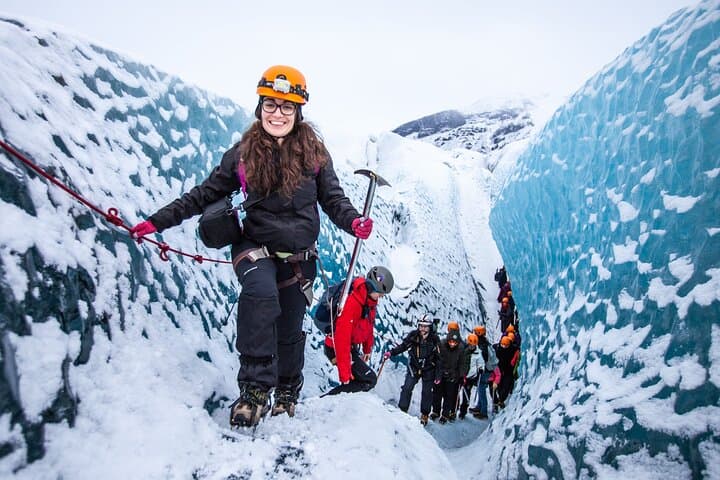 Related story
Beneath a sky of shifting light, Skaftafell’s ice reads like a map of time. This three-hour guided glacier hike mixes technical instruction with geology and culture: compact, safe, and unforgettable.
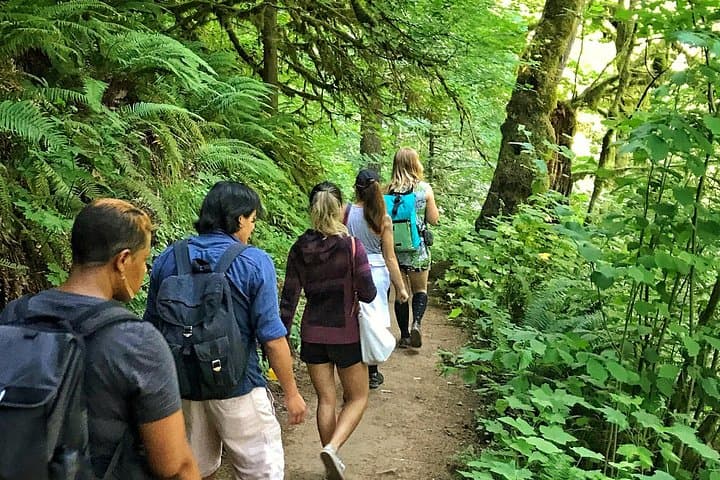 Related story
Lose the city for a few hours without leaving it: this 5-mile, 900-foot-gain Forest Park loop threads old-growth pockets, city viewpoints, and cultural landmarks for a compact taste of Portland’s wild side. Expect moss, roots, and stories.