

What the day feels like
When the van climbs out of the ochre bowl of San Pedro de Atacama, the sky widens until it feels like a dome of blown glass. The air thins by degrees and the road peels away from salt flats and scrub into an otherworldly plateau dotted with volcanoes that hold their snow like quiet trophies. At roughly 4,200 meters the landscape slows — the wind gathers a voice and the lagoons appear like polished, improbable mirrors: blue and green ovals cupped by pumice and red rock. This is the Altiplanic Lagoons — Miscanti and Miñiques — high-altitude basins that read like a natural manifesto about water, elevation, and extremes.
The first step out of the vehicle is always an intake of breath, half in wonder, half in the thinness of the air. The ground here is not polite; it rocks and whispers. I walk along the boardwalk and watch the lagoons act like a memory of an ocean, their surfaces trembling with gusts and, on the far shore, a line of vicuñas moving like punctuation. At this altitude, everything seems to have a deliberate pace: the condor circles wide; the salt-scarred hills slump into quiet; the sun cuts hard and then folds into cold immediately after. If nature had a vocabulary for contrast, the Altiplanic Lagoons would be a long paragraph.
Geologically, these lakes are homework on the Andes. The basins are fed by groundwater and Andean snowmelt trapped behind volcanic ridgelines — relics of a climate regime that once held more ice and more frequent melt. Miscanti and Miñiques sit in the Los Flamencos National Reserve, a patchwork of volcanic shapes, salt flats and wetlands that sustain a surprisingly robust set of high-altitude life: Andean flamingos, vicuñas, and specialized plants that unspool across saline soils. That fragile ecology is what made these places sacred for the Atacameño people for millennia; the lagoons and the nearby altiplanic towns like Socaire are stitched into local agricultural rhythms that still rely on ancient irrigation terraces called acequias.
Culturally, visits here are as much about people as they are about landscape. Small communities such as Socaire and Toconao — whitewashed adobe towns with low bell towers — sit between salt flat and mountain, the human scale against a geological one. Farmers still tend crops at absurd altitudes, coaxing potatoes and quinoa from soils most would consider barren. If you stop at a roadside stand, you’ll taste cheeses and roasted grains that have been dried and salted by the same Andean wind that scours the plains.
For travelers, the Altiplanic Lagoons are best seen as a full-day anchor. Most guided options depart San Pedro early (dawn or just after), build in stops at Laguna Chaxa on the Salar de Atacama, then push south-east into the Cordillera to the lakes and the Piedras Rojas (the oxidized red rocks at Salar de Talar). Products in this area range from one-day highlights (1-Day Tour Altiplanic Lagoons and Piedras Rojas) to multi-day packages that string together the region’s top draws (3- and 4-Day Discovery tours, Highland Wonders and Piedras Rojas + Altiplanic Lagoons). Expect 6–10 hours round trip and a maximum altitude near 4,200–4,300 meters — not a technical climb, but a physiological one.
Practicalities are straightforward but non-negotiable. Altitude is the organizing principle: acclimatize in San Pedro for at least 24–48 hours before doing high plateau trips; hydrate more than you think you need; avoid heavy meals the night before; and carry layers (sun and wind are both aggressive). Terrain is mostly gravel roads and flat viewing platforms with short boardwalks — no technical climbing required — so sturdy hiking shoes, a sun hat, SPF 50, sunglasses, and a warm coat for the wind are the essentials. Guided tours supply transportation, local insight, and food on many departures — and they’ll take you to complementary sites such as Laguna Chaxa (flamingo habitat), Toconao village, or the Piedras Rojas salt formations.
On the ground, plan for short, precise walks: boardwalk loops and 15–45 minute vantage hikes, with long windows for photography and slow looks. Wildlife shows up in patches: flamingos often forage in the shallower salt pans, vicuñas graze the slopes at dawn, and condors can be seen riding the thermals if you’re lucky. Photography-wise, golden hour is non-negotiable; the angle of light across pumice and salt lifts color into something cinematic.
A few logistical notes: expect cold mornings and evenings even in summer; the remote environment means limited services once you leave San Pedro; and park or reserve fees may apply. Sustainable travel matters here — the high-altitude wetlands are delicate. Stay on established trails and boardwalks, don’t touch or collect geological or biological specimens, and bring out everything you brought in.
Why go? The Altiplanic Lagoons are not just scenic punctuation marks — they are a hydrological and cultural fulcrum that condenses the Atacama’s contradictions: extreme dryness and pockets of life, immense scale and small human settlements, ancient agricultural practice and modern adventure tourism. The view is cinematic, but the experience is measured by quiet details: the small flock of flamingos shifting in unison, the brine-smell at Laguna Chaxa, the dry grind of wind on your cheeks. For travelers who want drama without technical climbing, and quiet without isolation, this is a logical, unforgettable day in the high Andes.
If you’re planning, pair the lagoons with nearby highlights: the Salar de Talar’s reddened rocks, Chaxa’s flamingo flats on the Salar de Atacama, and a stop in Socaire or Toconao for crafts and local food. Book a guided day trip (1-Day Tour Altiplanic Lagoons; Piedras Rojas + Altiplanic Lagoons) if you want all logistics handled. If you have more time, a 3- or 4-day discovery package unpacks the desert’s other signatures: Moon Valley, Tatio Geysers, and the salt flats — giving you better acclimatization and a richer palette of experiences.
The altiplano teaches a different kind of pacing. It doesn’t rush you, but it rewards careful attention: check your breath, mark the light, watch a condor tilt its wings, and notice how a place that looks empty by map is full of stories if you slow down enough to read them.
Recommended tours that visit these lagoons include the full-day and multi-day packages that depart from San Pedro de Atacama, many of which include guided interpretation, meals, and comfortable transportation. Go early, layer smart, be respectful of local communities and fragile wetlands, and leave room in your schedule for the slow, high-altitude spell the Altiplanic Lagoons cast.
Trail wisdom
Small choices, better day.
Acclimatize before you go
Spend 24–48 hours in San Pedro de Atacama to reduce altitude sickness risk before visiting the lagoons at ~4,200 m.
Hydrate and eat light
Drink plenty of water the day before and bring electrolyte snacks; heavy meals can make altitude symptoms worse.
Sun and wind protection
High UV and strong winds demand SPF 50, sunglasses, a wide-brim hat and a windproof jacket.
Respect boardwalks and wildlife
Stay on marked paths and keep distance from flamingos and vicuñas to protect fragile wetlands.
Local knowledge
Read the place, not just the route.
Watch for native species including Andean flamingo, vicuña.
Keep an eye out for wildlife during the transition between areas and habitats. Respect distance guidelines.
The high-altitude wetlands are fragile and support unique species; stick to trails, follow guide instructions, and avoid leaving any waste behind.
Follow the guide's instructions on size limits, ethical handling, and leave-no-trace practices.
Socaire village — traditional altiplanic agriculture and small adobe church. Piedras Rojas (Salar de Talar) — dramatic red rock formations and quiet viewpoints
Locally recommended viewpoints and quiet spots known best to local operators.
The Altiplano has supported human communities for millennia; Atacameño people developed terraced agriculture and water management (acequias) at high elevations.
Maritime roots and regional tradition shape the waterways and working coasts.
Seasonal guide
Four versions of the same landscape.
Spring
Best formilder temperatures · wildlife activity · flowering high-altiplano plants
Challengesvariable weather · cold nights
Spring (Sep–Nov) brings milder daytime temperatures and active birdlife, making it one of the most comfortable seasons to visit.
Summer
Best forlong daylight · clear skies · soft afternoon light
Challengesstrong UV · occasional afternoon storms in highlands
Summer gives long, clear days for photography but stronger UV; layers and sun protection are crucial.
Fall
Best forcrisp light · fewer crowds · stable weather windows
Challengescold mornings · rapid temperature drops at dusk
Fall delivers crisp air and fewer tour groups; nights and early mornings are cold, so warm layers help.
Winter
Best fordramatic snow-capped volcanoes · low humidity · excellent stargazing
Challengesvery cold temperatures · possible road closures
Winter is starkly beautiful with snow on higher peaks; expect frigid mornings and the chance of limited access on extreme weather days.
Pack with intention
What to bring.
Good to know
Common questions.
Most guided day trips are 6–10 hours round trip, including stops at Laguna Chaxa, Piedras Rojas and the lagoons; multi-day packages spread these visits over longer itineraries for acclimatization.
Plan the edges
The details that make the day easier.
Miscanti and Miñiques are fed primarily by groundwater and snowmelt from surrounding volcanoes and sit at roughly 4,200 meters above sea level, making them some of the most iconic high-altitude wetlands in the Andes.
Taste altiplanic cuisine in Toconao or Socaire — roasted llama or quenched quinoa dishes and local cheeses — and look for handcrafts made from llama wool and volcanic stone in village markets.
- Departure
- San Pedro de Atacama; Duration: 6–10 hours (day trips) or included in multi-day packages; Elevation: ~4,200 m; Access: guided tours recommended; Health: acclimatization advised.
Stick to established paths, avoid disturbing wildlife, support local guides and communities, and carry out all trash to preserve the fragile high-altitude wetlands.
Explore by topic
Follow the threads.
Keep exploring
Make the story part of the trip.
In four hours you can move from shaded canyon ferns to wind-scoured coastal ridgelines, guided by someone who knows where the light—and the hidden views—live. This private half-day hike on the Monterey Peninsula or Big Sur is compact, curated, and perfect for travelers who want depth without a multiday commitment.
 Related story
Beneath a sky of shifting light, Skaftafell’s ice reads like a map of time. This three-hour guided glacier hike mixes technical instruction with geology and culture: compact, safe, and unforgettable.
 Related story
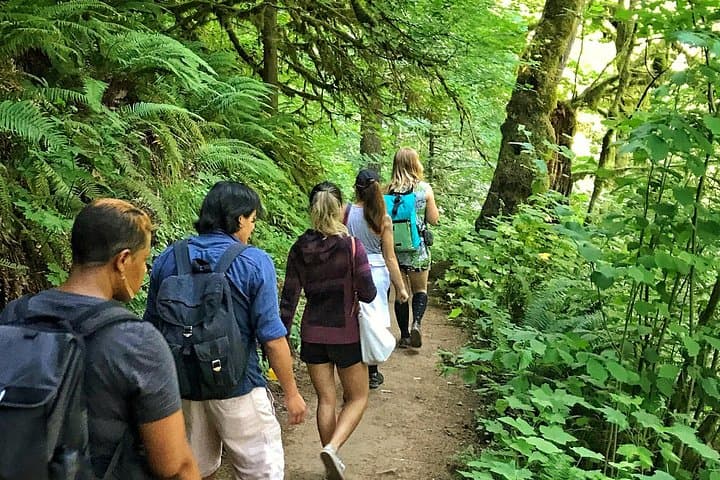
Lose the city for a few hours without leaving it: this 5-mile, 900-foot-gain Forest Park loop threads old-growth pockets, city viewpoints, and cultural landmarks for a compact taste of Portland’s wild side. Expect moss, roots, and stories.