

What the day feels like
The gangway still hums when you step into the bright Aegean light. Salt and diesel hang in the air, gulls wheel above the breakwater, and across a narrow strip of water a low town unfolds—whitewashed houses, citrus trees, and an old fortress clinging to a spit of land. This is Kuşadası Cruise Port: a practical, pulsing doorway into one of Turkey’s most concentrated corridors of ancient history and honest coastal life. For many travelers it is no more than a place to change shoes and collect a guide. For the curious, it is a strategic basecamp: in a half-day you can walk marble streets older than most nations, visit a quiet pilgrimage shrine on a hill, and end with mint tea in a caravanserai courtyard.
Kuşadası means “bird island,” and the name is literal—the port’s tiny castle-topped islet, Güvercinada, once sheltered flocks and now shelters a fort. The port operates with the efficiency demanded by cruise schedules: coaches lined up at the quay, licensed guides waiting with placards, and a quick, well-worn rhythm of get-off, see, and return. But within that choreographed hourglass are experiences that thrum with history and landscape.
Drive inland 25–30 minutes and the city of Ephesus opens like a proscenium. Marble streets run straight as a spine, flanked by colonnades and the monumental Library of Celsus, whose façade is so perfectly photographed it seems staged—until you turn a corner and the theater swallows you whole. The archaeological site covers roughly 2–3 kilometers of walkable terrain; the path is mostly firm but uneven—expect cobbled stones and steps with occasional steeper stretches near terraces and house ruins. A typical shore-tour will allow 2–3 hours to move through the site, which is just enough time to absorb the scale: a theater that once seated 25,000, thermal baths, and private houses with preserved mosaics.
A short drive higher, above the plain, sits the House of the Virgin Mary. The path from the parking area is a gentle stone stair and pathway of roughly 500–800 meters that takes 10–20 minutes depending on your pace. The site’s quiet is its power—pilgrims leave notes and rosaries; popes have visited; the hill feels like a place that asks you to slow down. Nearby, the Basilica of St. John crowns Ayasuluk Hill, a ruin with panoramic views over the olive-silvered plain and the Aegean beyond. It’s a quick 10–15 minute walk across antiquity to the basilica, where the mosaic fragments and crenelated stones whisper early Christian histories.
If you want the odd and tactile, take the Çamlık Steam Locomotive Museum: an open-air collection of iron beasts—all teeth and brass—that feels like a child’s fantasy of travel. Or stroll the atmospheric Öküz Mehmet Pasha Caravanserai, a 17th-century trading inn where stone arches and sun-patched courtyards hint at the caravans that once paused here between east and west. For quieter sacred ruins, ask about Claros—an oracle sanctuary with fewer visitors and a hush that suits its past life as a place of prophecy.
Why choose the port as your base? Logistics. Time constraints on cruises force choices: you can sail past the shore and read about Ephesus, or you can step ashore and, with a licensed guide and a coach waiting by the gangway, see multiple highlights efficiently. This is shore-excursion territory—short, intense, richly layered.
Practical planning matters here. Cruise timetables are strict: book licensed guides or small-group tours that guarantee port pickup and drop-off. Wear stable walking shoes—streets in Ephesus are marble and can be slippery underfoot. Bring a refillable water bottle and sunscreen; shade is limited on the plain. If you aim for the House of the Virgin Mary, modest dress is respectful at the religious sites. Consider adding a traditional Turkish bath to your afternoon—an indulgent way to wash dust and history from your limbs before reboarding.
Timing is another advantage. Spring and fall offer perfect temperatures for walking; summer can be hot and bright, making early-morning departures ideal. If your ship gives you a limited window ashore, prioritize: Ephesus for unparalleled classical architecture; House of the Virgin Mary for contemplation and views; and the Caravanserai or Çamlık Railway Museum for texture and lighter crowds.
Sustainability is part of the modern travel equation. Ephesus sees heavy foot traffic; stick to marked paths, don't touch mosaics, and hire local guides who fund and steward the landscape. The region’s small businesses—lunchrooms serving fresh meze, family-run craft stalls, the hamam attendants—benefit directly when cruise passengers step beyond the quay.
When you return, the harbor glints as the ship takes you onward. You’ll leave with a pocket of postcards and perhaps an unshakable image: a marble street disappearing under a carved arch, the blue of the Aegean beyond a ruined theatre, and the hush of a hilltop shrine. Kusadasi Cruise Port is not a destination for lingering; it is a concentrated corridor. But used well—arriving, moving like a thoughtful local, and stepping back aboard with time to spare—it becomes a compact, unforgettable chapter in an Aegean season of travel.
Trail wisdom
Small choices, better day.
Book a licensed shore excursion
Choose a tour that guarantees port pickup and drop-off to avoid timing issues with your ship.
Wear sturdy shoes
Cobblestones and marble streets in Ephesus are uneven—closed-toe shoes with grip make walking safer and more comfortable.
Carry refillable water
A 1L bottle kept topped up will keep you hydrated during long open-air walks under the Aegean sun.
Dress respectfully for religious sites
Bring a light scarf or cover-up for the House of the Virgin Mary and basilica sites where modest dress is appreciated.
Local knowledge
Read the place, not just the route.
Watch for native species including dolphins in the Aegean, Loggerhead sea turtles (Caretta caretta) in nearby coastal waters.
Keep an eye out for wildlife during the transition between areas and habitats. Respect distance guidelines.
Ephesus faces heavy visitor pressure—stay on designated paths, hire local guides who contribute to site stewardship, and avoid touching fragile ruins.
Follow the guide's instructions on size limits, ethical handling, and leave-no-trace practices.
Öküz Mehmet Pasha Caravanserai – quiet courtyard with period architecture. Çamlık Steam Train Museum – open-air nostalgia with photogenic locomotives
Locally recommended viewpoints and quiet spots known best to local operators.
Kuşadası has served as a maritime gateway for millennia; nearby Ephesus was a major Roman and Byzantine city and a commercial hub of the ancient Aegean.
Maritime roots and regional tradition shape the waterways and working coasts.
Seasonal guide
Four versions of the same landscape.
Spring
Best formild temperatures · wildflower season · full archaeological access
Challengesunpredictable showers · busy cruise season in late spring
Spring (March–May) is ideal—cool mornings, blooming countryside, and comfortable walking conditions for Ephesus and hilltop shrines.
Summer
Best forlong daylight · sea views · open-air dining
Challengeshigh heat and strong sun · crowds and midday closures
Summer (June–August) brings hot, sunny days—start early and plan shaded breaks; afternoons can be sweltering for extended walking.
Fall
Best forcrisp light · fewer crowds · pleasant walking temperatures
Challengesshortening days · sporadic rain later in season
Autumn (September–November) mirrors spring’s comfort with warm seas and lighter visitor numbers—excellent for photography and walking tours.
Winter
Best forquiet sites · off-season rates · dramatic skies
Challengescooler weather · reduced services and shorter daylight
Winter (December–February) is quiet and atmospheric; some seasonal services close but ruins and coastal views are often uncrowded.
Pack with intention
What to bring.
Good to know
Common questions.
By road it’s roughly 25–35 minutes depending on traffic; tours typically allot 2–3 hours at the archaeological site.
Plan the edges
The details that make the day easier.
Kuşadası’s name literally means “bird island,” a reference to the small fortified islet (Güvercinada) that once sheltered flocks and now protects a historic castle.
Taste local Aegean cuisine—grilled squid, mezze plates, and olive oil–rich salads; sip Turkish tea or strong coffee in Selçuk’s market and look for handmade textiles and pottery from local artisans.
Support local guides and businesses, avoid single-use plastics, and respect archaeological conservation rules—sticking to paths and not touching mosaics helps preserve sites for future visitors.
Explore by topic
Follow the threads.
Keep exploring
Make the story part of the trip.
In four hours you can move from shaded canyon ferns to wind-scoured coastal ridgelines, guided by someone who knows where the light—and the hidden views—live. This private half-day hike on the Monterey Peninsula or Big Sur is compact, curated, and perfect for travelers who want depth without a multiday commitment.
 Related story
Beneath a sky of shifting light, Skaftafell’s ice reads like a map of time. This three-hour guided glacier hike mixes technical instruction with geology and culture: compact, safe, and unforgettable.
 Related story
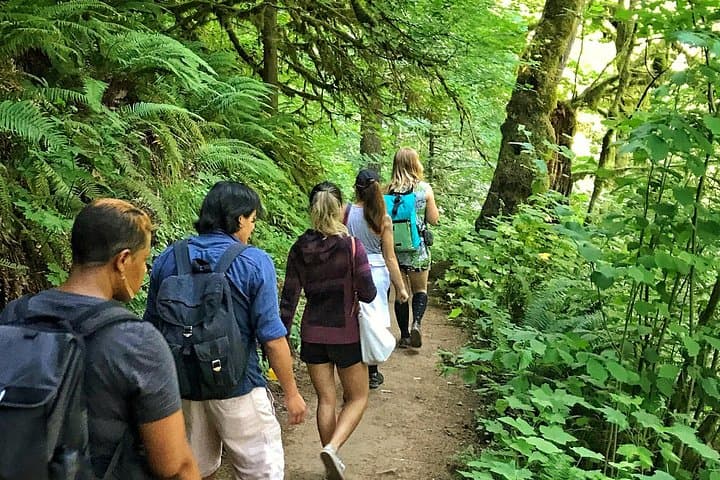
Lose the city for a few hours without leaving it: this 5-mile, 900-foot-gain Forest Park loop threads old-growth pockets, city viewpoints, and cultural landmarks for a compact taste of Portland’s wild side. Expect moss, roots, and stories.