

What the day feels like
The sun lifts slow and steady over the Bay of Palma, gilding the marina’s masts and the white hulls that harbor like sleeping animals. From the quay at Port of Palma (Puerto de Palma), the city steps out with all its contradictions: a working port where freighters and cruise ships share space with leisure sailors; a palm-lined promenade that gives way to a medieval warren of alleys; and a doorway to the Serra de Tramuntana, the limestone spine of Mallorca that rises abruptly from the coastline. Stand at the edge of the port and you can feel the island’s two distinct pulls—sea and mountain—both offering their own modes of escape.
This is where most shore-based adventures begin. For cruise passengers disembarking to squeeze the island into a single day, Port of Palma functions as a calm, efficient staging ground. Buses and minibuses line the terminal with guaranteed return policies; bike rental trucks load and unload with the practiced choreography of a city used to short-stay visitors. The immediacy is part competence, part charm. You can walk from ship to cathedral in under half an hour, pedal through the city’s Graffiti-dotted backstreets, or be whisked high into the Tramuntana’s hairpin turns within 45 minutes.
What the popular shore excursions—Palma and Valldemossa tours, deluxe cruise-friendly drives, and the bike tour that rolls directly out of the port—understand is how this compressed geography becomes a cinematic day trip. You leave the harbour light and clean; within a morning you’ve traded yachts for terraced olive groves and the narrow, slate-roofed lanes of a village where Chopin once wintered. It’s a contrast that’s part cultural lesson, part sensory jolt.
History and geology meet at the region’s seams. Palma’s La Seu cathedral, a soaring Gothic silhouette, perches on reclaimed land where Roman, Moorish and medieval Christian layers converge. Walk the cathedral and the nearby Almudaina Palace and you trace centuries of influence—fortifications, maritime trade, and a city shaped by the Mediterranean’s currents. Pull the map further west and the Serra de Tramuntana rises: a UNESCO World Heritage Site dominated by limestone ridges and steep valleys carved in the Pleistocene, where traditional dry-stone terraces still cling to the slopes and shepherds’ paths thread between olive trees.
Valldemossa, one of the most common stops on shore excursions, is a compact storybook of red tile and green shuttered windows. The drive from Palma climbs and curls, each hairpin offering a new vantage where the sea below pulls in a different shade of blue. Walkable and small, Valldemossa rewards a short ramble: a cart-track to the monastery where Chopin lived, a cafe for coca de patata (a local potato pastry), and stone stairways that make for ideal, compact exploration on a cruise schedule.
The bike tour that departs direct from the port gives a different lens. It’s urban, tactile—cobbled alleyways, the navy-blue promenade of Passeig Marítim, the Lonja’s helical columns—and it’s immediate. Expect mostly flat terrain with brief climbs onto small viewpoints; a typical shore-friendly bike loop runs roughly 10–15 km and takes 2–3 hours, perfect for an active half-day where you still get back on time for your ship.
Practicality is part of the romance here. If you’re taking a shore excursion to the Tramuntana, plan for 4–5 hours total—some operators package a two-hour guided walk, a photo stop at a coastal overlook, and a short village visit. Driving in the mountains is scenic but involves narrow roads and tight switchbacks; if you’re prone to motion sickness, choose a seat near the front of the vehicle. For bikers, cobbles and uneven pavement are common; a quality hybrid or gravel bike and a helmet will make the day infinitely smoother.
Local culture is never far from the itinerary. Stop at a market stall for sobrassada or a pat of ensaïmada; in the port area fisherfolk still mend nets and the seafood restaurants along the Passeig Marítim serve razor clams and grilled octopus with unpretentious pride. Guides will often note that Bellver Castle—the round, forested fortification overlooking the bay—is one of the few circular castles in Europe, a useful photo stop and a reminder of the island’s medieval maritime importance.
For travelers, the key is to choose your tempo. A half-day bike tour is kinetic and satisfying; a deluxe shore-bus trip that includes the mountain villages is leisurely and wide-ranging. Whatever you choose, leave room for simple pleasures—an hour beneath a plane tree with a café cortado, a late-afternoon stroll past the marina as sailors tighten lines and gulls quarrel over bread.
If you go: time your visit for shoulder seasons—May and September offer mild temperatures, fewer crowds and clear light for photography. Hydration, sun protection and sensible footwear matter whether you’re navigating cobbles or mountain paths. And consider a local guide: they condense history, explain landscape quirks and curate stops so that your return to the ship feels like a soft landing rather than a hurried dash.
Port of Palma is a logistics hub and an invitation. It’s where a day on the water or a spin into the mountains begins, but it’s also a microcosm of Mallorca’s larger appeal: accessible, compact, and rich with contrasts. Walk the promenade, cycle the old walls, climb out toward the Tramuntana for that sweeping view, and you’ll see how the port is less a single destination and more a hinge—one that swings the traveler effortlessly between the sea’s steady call and the mountains’ older, quieter voice.
Trail wisdom
Small choices, better day.
Book a shore-friendly tour with guarantee
Choose an operator that guarantees timely return to the ship to avoid missed departures—many Palma shore excursions include this policy.
Bring layered clothing
Sea breezes can be cool in the morning and evenings, while mountain viewpoints are frequently windier—pack a light windbreaker.
Protect your feet
City streets have cobbles and old stone; wear sturdy walking shoes rather than flimsy sandals for comfort and safety.
Start early for photos
Morning light softens the cathedral’s stone and reduces crowds in Valldemossa and the old town—aim for the earliest shore excursion slot.
Local knowledge
Read the place, not just the route.
Watch for native species including Audouin’s gull, Mediterranean monk seal (rare sightings off remote coasts).
Keep an eye out for wildlife during the transition between areas and habitats. Respect distance guidelines.
The Serra de Tramuntana is a UNESCO World Heritage Site with active programs to protect terraced landscapes and native biodiversity; support local guides and reduce single-use plastics to minimize your impact.
Follow the guide's instructions on size limits, ethical handling, and leave-no-trace practices.
Passeig Marítim viewpoints at dawn—quiet light and fisherman activity. Small museum café in Valldemossa for a calm pastry and local conversation
Locally recommended viewpoints and quiet spots known best to local operators.
Palma’s port has been central to the island’s maritime trade since Roman and Moorish periods; its defensive Bellver Castle dates to the 14th century and overlooks the bay.
Maritime roots and regional tradition shape the waterways and working coasts.
Seasonal guide
Four versions of the same landscape.
Spring
Best forwildflower views · mild temperatures · cycling the city
Challengesoccasional rain · busy spring break weeks
Spring offers ideal weather and blooming terraces—great for biking and short mountain outings, though occasional showers can pop up.
Summer
Best forbeach time · long daylight hours · marina atmosphere
Challengeshigh heat · crowds · limited shade on bike tours
Peak season brings hot, dry days and bustling harbors—book tours early and carry extra water for cycling and walking.
Fall
Best forclear sea views · fewer crowds · pleasant hiking
Challengesvariable sea conditions · shortening daylight
Autumn mirrors spring’s comfort with calmer seas and warm afternoons—ideal for combined city and mountain excursions.
Winter
Best forquiet city walks · off-season prices · birdwatching
Challengescooler temperatures · reduced service on some tours
Winter is quiet and atmospheric; the Tramuntana can be brisk and some operators reduce schedules, so confirm availability.
Pack with intention
What to bring.
Good to know
Common questions.
La Seu cathedral is approximately a 15–25 minute walk (about 1–1.5 km) from the main cruise terminals, depending on your dock location.
Plan the edges
The details that make the day easier.
The Serra de Tramuntana was designated a UNESCO World Heritage Site in 2011 for its cultural landscape of dry-stone terraces and irrigation systems.
Palma’s culinary scene mixes fisherfolk simplicity and urban flair—try fresh seafood along Passeig Marítim and a morning ensaïmada with café con leche in a local bakery.
- Port terminal to Palma city center
- ~15–25 min walk; Palma Airport to Port: ~15–25 min by taxi; Typical excursion length: 2–5 hours; Currency: Euro; Language: Catalan
Choose licensed local operators, avoid anchoring in protected marine areas, and bring a refillable bottle to reduce single-use plastic—supporting small businesses keeps visitor impact lower.
Explore by topic
Follow the threads.
Keep exploring
Make the story part of the trip.
In four hours you can move from shaded canyon ferns to wind-scoured coastal ridgelines, guided by someone who knows where the light—and the hidden views—live. This private half-day hike on the Monterey Peninsula or Big Sur is compact, curated, and perfect for travelers who want depth without a multiday commitment.
 Related story
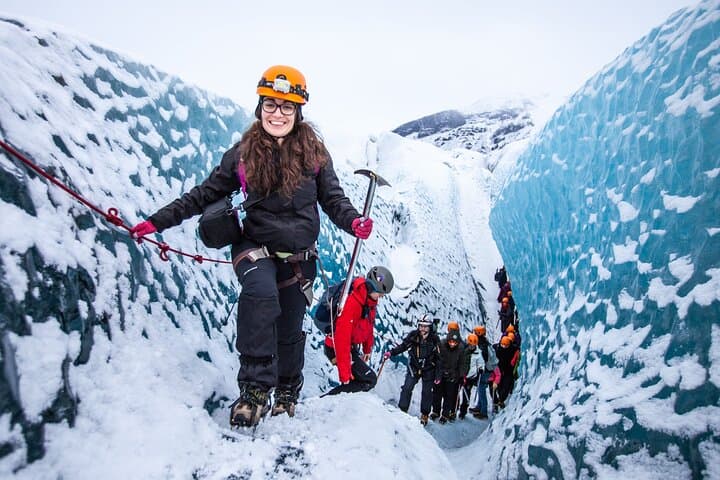
Beneath a sky of shifting light, Skaftafell’s ice reads like a map of time. This three-hour guided glacier hike mixes technical instruction with geology and culture: compact, safe, and unforgettable.
 Related story
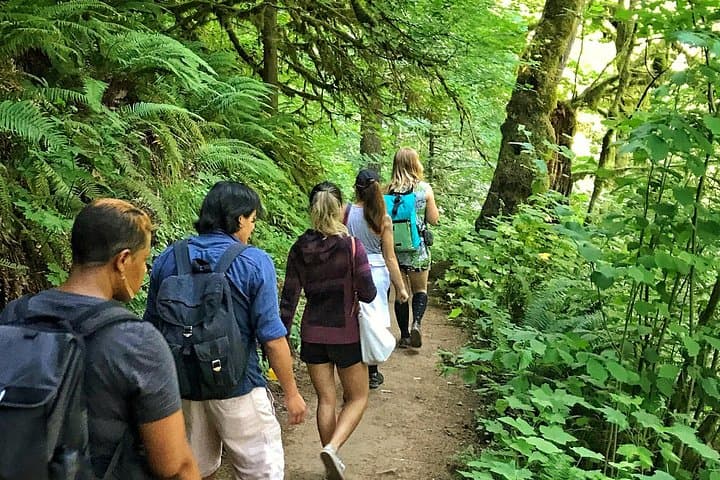
Lose the city for a few hours without leaving it: this 5-mile, 900-foot-gain Forest Park loop threads old-growth pockets, city viewpoints, and cultural landmarks for a compact taste of Portland’s wild side. Expect moss, roots, and stories.