

What the day feels like
You step off Bodrum’s stone quay before sunrise and the harbor smells of diesel, coffee and the salt that never leaves these towns. The boat is painted a riotous carnival of reds and blues—part working gulet, part stage set—and a crew with practiced smiles helps you aboard. The engine ticks to an easy rhythm and the town slides away: a scattering of white houses, a mosque spire, fishing nets drying in the sun. This is the prologue for a day that trades the trawl-net pace of mainland life for a different clock—one measured in coves, swims and the slow gossip of gulls.
The Pirate Boat Trip from Bodrum w/Lunch is a seven-hour Aegean introduction to the coast west of Bodrum, with its sheltered bays, pebble beaches and the village of Gümüslük as a quiet, irresistible punctuation. Cruising out, the sea dares you—inviting, clear, its color changing from glassy teal to deep sapphire as the hull cuts across it. The first stops are practical and ecstatic: time to strip down, leap into water that surprises even experienced swimmers with its warmth and clarity, then paddle close to limestone cliffs where you can look down and see the seabed like a map.
Gümüslük itself is a place that resists grand gestures yet rewards those who slow down. The village is built around a shallow bay, its shoreline threaded with seafood meyhanes (tavernas) that hang over the water on wooden stilts. At low tide, a string of stone ruins emerges from the shallows—the visible remains of an ancient settlement that scholars associate with Myndos. Locals walk out to step on submerged columns; children still collect sea critters in small nets. From the boat, the village looks timeless: the low-slung houses, the swath of sun-bleached rock and the silhouette of Rabbit Island (Tavşan Adası), where tamer waters and a narrow causeway give the neighborhood a secretive feel.
Geology here is simple and honest—Aegean limestone eroded into sheltered gulfs and rounded headlands. The coastline is cleaved into micro-environments: pebble coves with shallow beds ideal for snorkeling; steeper drops where fish congregate around rocky outcrops; and wind-buffed points that throw spray like a challenge up to the boat. The sea’s personality changes with the meltemi winds in summer—fresh, cooling gusts that push boats offshore and make the sails flutter like a living thing.
Gümüslük’s human story is layered. Its modern life is shaped by fishing and seasonal tourism; its bays were once the smaller arteries of ancient trade routes. The visible ruins speak to a continuity of place—people returning to the same sheltered shores for food, shelter and safe anchorage through millennia. Today, artists and restaurateurs give Gümüslük a slightly bohemian air: galleries and studios tucked between fish restaurants, and a sunset scene that turns the village into an open-air painting.
Practically speaking, this day trip is for people who like to be moving but not burdened. The pirate-boat style is convivial rather than adrenaline-driven: a mix of sunbathers, snorkelers and casual explorers. The itinerary typically includes multiple swim stops in transparent bays, time ashore in Gümüslük to walk the waterline and eat, and a midday lunch served aboard—fresh meze and grilled fish, olive oil fragrant and generous as the coastline itself. If you plan to step ashore, bring shoes for pebbly approaches and cash for small purchases; cards are not always welcome at the tiniest tavernas.
Safety and comfort are straightforward: bring a reef-safe sunscreen, a snorkel or mask if you want the clearest view of the underwater world, and a light windbreaker for the return when the afternoon wind can sharpen. Seasickness can be a factor for sensitive travelers, so pick a seat mid-ship where movement is least felt, and hydrate—boats in these waters like to remind you that the sun will take more than it gives if you aren’t careful.
Timing matters. The best water is often in the morning—calmer and clearer before the meltemi wakes fully. That said, afternoon light makes the stone and surf dramatic for photography, and the village of Gümüslük is at its most inviting at sunset when tavernas light candles and tables creep toward the water.
For travelers who want to stretch the experience, staying a night in Gümüslük is a good trade. Mornings there are quiet and you’ll have the town’s narrow lanes, workshops and seafront restaurants to yourself. Back on the boat, listen for the small details: the boat’s crew swapping stories, the way a cormorant lifts from a rock like a dark arrow—these are the threads that make a day memorable.
On a practical note, this trip is approachable for mixed-ability groups. It’s not a technical outing—no climbing gear or major fitness requirements—but it rewards physical comfort and a basic ability to swim. It’s also an excellent choice for families: kids delight in the repeated jumps and swims, and the moderate pace keeps boredom at bay.
In the end, a pirate-boat day to Gümüslük doesn’t try to astonish you with one grand sight; it delivers a series of smaller, cumulative pleasures: a cool dip, a perfectly grilled fish, the slow arc of land as the boat cuts home. It’s a reminder that in the Aegean, much of the coastal life still unfolds at sea level—on decks, along pebble beaches and at tables that sit in the shallows. If you go, let the sea do some of the planning. Be ready to answer its dare with a plunge.
Trail wisdom
Small choices, better day.
Bring water shoes
Shallow bays and pebbly landings in Gümüslük are easier and safer with water shoes for scrambling ashore and walking ruins at low tide.
Use reef-safe sunscreen
The bays are ecologically sensitive; choose reef-safe sun protection to protect marine life and reduce oily residue on the water.
Sit mid-ship for smoother ride
If you’re prone to seasickness, choose a central seat where motion is minimized and bring motion-sickness remedies.
Carry small cash for tavernas
Many waterfront restaurants and local vendors prefer cash for quick transactions, especially for small items and tips.
Local knowledge
Read the place, not just the route.
Watch for native species including Bottlenose dolphins—often seen riding bow waves, Seabirds such as cormorants and Audouin’s gulls.
Keep an eye out for wildlife during the transition between areas and habitats. Respect distance guidelines.
The area’s marine ecosystems are sensitive—support operators with clear waste policies, avoid anchoring on seagrass beds and use reef-safe sunscreen to protect habitats.
Follow the guide's instructions on size limits, ethical handling, and leave-no-trace practices.
Walk the causeway to Rabbit Island at low tide for close-up views of the cove. After the boat day, take the short coastal path behind Gümüslük’s tavernas for quiet views and local studio galleries
Locally recommended viewpoints and quiet spots known best to local operators.
Gümüslük occupies a coastline used since antiquity; submerged ruins visible at low tide are associated with ancient Myndos, emphasizing the village’s long maritime heritage.
Maritime roots and regional tradition shape the waterways and working coasts.
Seasonal guide
Four versions of the same landscape.
Spring
Best forWildflower-strewn coves · Mild swimming · Quieter harbors
ChallengesVariable sea temperatures · Occasional spring winds · Limited restaurant hours in small villages
Spring offers gentler temperatures and fewer crowds—waters are cooler but clear, making it ideal for travelers who prefer calm exploration rather than full summer heat.
Summer
Best forWarm sea swimming · Long daylight hours · Lively village atmosphere
ChallengesMeltemi winds in July–August · Crowded boats and beaches · Strong sun exposure
Summer is prime for swimming and long daylight; expect busy harbors, steady winds some afternoons and the best water temperatures for snorkeling.
Fall
Best forCalmer seas after peak season · Warm water lingering · Quiet evenings in Gümüslük
ChallengesShortening daylight · Some hospitality businesses close late season · Occasional rain in November
Autumn keeps the water warm and the crowds thin—an ideal compromise between comfort and quiet, with pleasant sea conditions most days.
Winter
Best forStorm-watching from shore · Local culture off-season · Lower prices
ChallengesMany boat operators pause schedules · Cool water for swimming · Limited services in smaller villages
Winter is the off-season: dramatic weather and empty tavernas, but boat trips are less reliable and swimming is generally not recommended.
Pack with intention
What to bring.
Good to know
Common questions.
The tour runs approximately seven hours, with multiple swim stops and time ashore in Gümüslük; schedules can vary by operator.
Plan the edges
The details that make the day easier.
Gümüslük sits above submerged ruins tied to the ancient city Myndos; stone fragments and columns appear in the shallows at low tide and can be walked among.
Gümüslük’s waterfront is defined by seafood meyhanes serving fresh-caught fish and meze; local artists maintain studios along the shore and the town’s slow pace encourages lingering over meals and conversation.
- Departure
- Bodrum harbor • Duration: ~7 hours • Includes: lunch aboard • Difficulty: moderate • Bring: swimwear, water shoes, reef-safe sunscreen • Best for: swimmers, families, day-cruise seekers.
Choose operators that minimize single-use plastics, follow no-anchor policies over seagrass, and brief passengers on wildlife etiquette; use reef-safe sunscreen to reduce chemical harm to marine life.
Explore by topic
Follow the threads.
Keep exploring
Make the story part of the trip.
In four hours you can move from shaded canyon ferns to wind-scoured coastal ridgelines, guided by someone who knows where the light—and the hidden views—live. This private half-day hike on the Monterey Peninsula or Big Sur is compact, curated, and perfect for travelers who want depth without a multiday commitment.
 Related story
Beneath a sky of shifting light, Skaftafell’s ice reads like a map of time. This three-hour guided glacier hike mixes technical instruction with geology and culture: compact, safe, and unforgettable.
 Related story
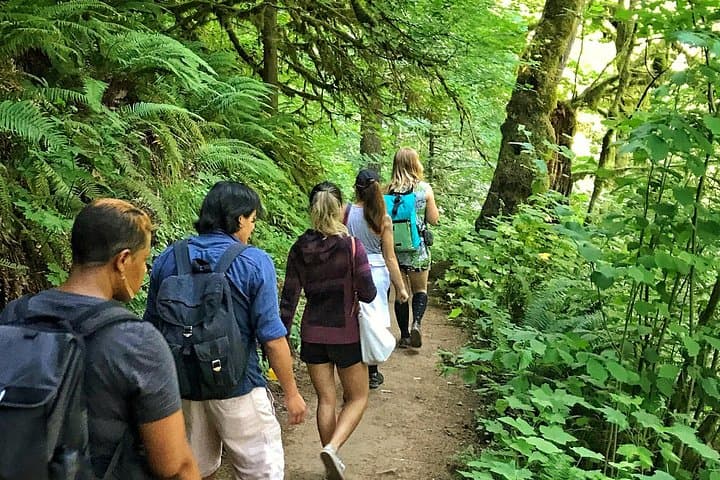
Lose the city for a few hours without leaving it: this 5-mile, 900-foot-gain Forest Park loop threads old-growth pockets, city viewpoints, and cultural landmarks for a compact taste of Portland’s wild side. Expect moss, roots, and stories.