

What the day feels like
You come off the bus and the city recedes like a dropped veil. One moment there's the honk and heat of Rio, the next there is a corridor of green that smells like wet earth and citrus; the trees arch and close behind you. In Tijuca National Park, the city’s noise is negotiable—sometimes it peeks through in the distant splash of waves, sometimes it is replaced entirely by the rattling calls of howler monkeys and the hush of leaf litter beneath your boots. This is an urban rainforest with the scale and temperament of something older: stubborn, dense, and quick to surprise.
Tijuca is not a wilderness you stumble into; it's one you enter with purpose. Trails thread through secondary forest, past granite outcrops and cascading cataracts, up ridgelines that open to frames of the city—Copacabana’s white arc, the green of Ipanema, the blocky silhouette of Sugarloaf. The most famous destination is Christ the Redeemer on Corcovado, a pilgrimage site for viewpoints and a test of legs. But the park's real appeal is the variety: short, sweaty climbs to Pedra Bonita's swooping launch ramp, jeep and 4x4 routes that peel back access to hidden lagoons, and quieter side paths where coatis pad through the understory as if they own the place.
Geologically, Tijuca is a patchwork of granite plugs carved by time and volcanic uplift, and the soil is thin and quick-draining. Botanically, it’s Atlantic Forest—one of the planet’s most biodiverse and most threatened ecosystems. What you walk through today is largely a 19th-century reclamation project. After decades of deforestation to feed a thirsty city, reforestation campaigns replanted large swaths of the mountain, a civic effort that saved Rio’s water supply and created the verdant canopy you traverse now. That history gives Tijuca a layered quality: it's a living park, a reclaimed utility, and a city refuge all at once.
Culturally the forest sits shoulder-to-shoulder with Rio’s life. Locals come for early-morning runs along paved park roads, families picnic by small waterfalls, and paragliders launch from Pedra Bonita with the city spread beneath them like a map. Guides are descendants of neighborhoods that braid into the park’s edges—Santa Teresa’s artists, the vendors of São Conrado, the samba beats that leak into picnic clearings. The park feels civic in both senses: public and essential.
Practical planning matters here. If you want the quiet and the light, take a sunrise tour—many operators offer early-morning pick-ups that beat the crowds to Corcovado and to the parking gates. The Corcovado hike (from Parque Lage up the trail) is about 7 km round-trip with roughly 700–800 m of elevation gain; expect 2.5–4 hours depending on pace. Pedra Bonita is a short, steep scramble—roughly 40 minutes each way—and delivers one of Rio’s most cinematic views and a paragliding launch that dares you to imagine flight. Jeep and 4x4 tours are the best option if you want to sample multiple access points and save time; they let you hop from a lagoon swim to a waterfall to the Chinese View without navigating Rio traffic or map quirks.
Wildlife rewards patience: howler monkeys announce themselves as you climb, coatis rummage at the edges of picnic areas, and a careful ear will pick out tanagers and toucans. The park is also a stronghold of threatened plant species; look for towering palm stands and orchids tucked where humidity and shade align.
On the ground, keep your kit simple and purposeful. Sturdy trail shoes, a light rain shell, a refillable water system, and insect repellent will carry you through. Timing is everything—midday storms arrive quickly in summer, so start early; in winter (June–August) mornings are cooler, drier, and often clearer for long views; shoulder seasons can be humid and lush, but muddy.
Responsible travel is part of the experience. Stay on marked trails, don’t feed wildlife, and carry out any trash. Many companies and local guides run low-impact tours, and choosing them supports conservation efforts that maintain trail access and biodiversity monitoring in one of the world’s most visited urban parks.
Whether you’re on a short hike to a waterfall, a full ascent to Corcovado, or a jeep-backed half day that mixes wildlife and photo stops, Tijuca rewards curiosity and preparation. It’s not a remote rainforest; it’s a green lung stitched into a city of seven million, and it asks for the same respect you’d give any wild place. Walk quietly, look up often, and let the canopy reclaim your attention—the city will be waiting when you return.
Trail wisdom
Small choices, better day.
Start at first light
Begin hikes before 8 a.m. to avoid crowds, heat, and afternoon storms—visibility and wildlife encounters are best early.
Bring local currency
Some park vendors and smaller shuttle operators accept only cash; keep small notes for parking or quick snacks.
Respect wildlife
Do not feed coatis or monkeys—feeding changes behavior and can be dangerous for both animals and people.
Layer for sudden weather
A lightweight rain jacket and quick-dry layers handle steep climbs and the park’s famously quick showers.
Local knowledge
Read the place, not just the route.
Watch for native species including howler monkeys, coatis.
Keep an eye out for wildlife during the transition between areas and habitats. Respect distance guidelines.
Urban pressure and invasive species are ongoing threats; supporting certified guides and using refillable gear helps reduce impacts and funds preservation.
Follow the guide's instructions on size limits, ethical handling, and leave-no-trace practices.
Vista Chinesa—an elevated Chinese-style pavilion with sweeping city panoramas. Cascatinha Taunay—a quieter waterfall and pool area less visited by bus tour groups
Locally recommended viewpoints and quiet spots known best to local operators.
Much of Tijuca’s canopy today is the result of 19th-century reforestation efforts to restore water sources to Rio; the park was later protected as a national park in 1961.
Maritime roots and regional tradition shape the waterways and working coasts.
Seasonal guide
Four versions of the same landscape.
Spring
Best forwildflower displays · birdwatching · moderate hiking
Challengesoccasional rain showers · muddy trails
Spring brings fresh growth and active birdlife; trails can be soft after rain, so good traction helps.
Summer
Best forlush jungle scenery · waterfalls and swims · long daylight hours
Challengeshot, humid conditions · frequent afternoon storms
Summer is at its greenest—start early to avoid heat and plan for sudden rain in the afternoons.
Fall
Best forclearer skies · cooler hikes · panoramic views
Challengesshorter daylight hours · mixed temperatures
Autumn offers comfortable hiking conditions and crisp views, though mornings can be cool.
Winter
Best fordry trails · clear vistas · paragliding conditions
Challengescooler mornings · some services may run reduced hours
Rio’s winter is dry and ideal for long vistas and stable weather—prime time for summit views.
Pack with intention
What to bring.
Good to know
Common questions.
Most park trails are free to access; specific attractions such as the Corcovado cog train require separate tickets, and guided tour operators handle entrance logistics.
Plan the edges
The details that make the day easier.
Tijuca National Park is one of the largest urban reforested areas in the world; major replanting in the 19th century helped restore Rio’s water supply and later led to the park’s protection in 1961.
Finish a morning hike with a local lunch—feijoada or churrasco near the park edge, followed by a caipirinha in Santa Teresa. Local guides often pair trail knowledge with neighborhood stories: samba history, favela art, and the city’s relationship to the forest.
- Access
- multiple entry points from South Zone and Barra. Time: half-day to full-day options. Best for: hikers, birders, paragliders, families. Costs: park access largely free; specific attractions (Corcovado train, paragliding) fee-based. Guides: widely available and recommended for wildlife and history context.
Stick to marked trails, carry out trash, avoid feeding wildlife, and choose operators who contribute to local conservation programs to help preserve Tijuca’s fragile Atlantic Forest remnants.
Explore by topic
Follow the threads.
Keep exploring
Make the story part of the trip.
In four hours you can move from shaded canyon ferns to wind-scoured coastal ridgelines, guided by someone who knows where the light—and the hidden views—live. This private half-day hike on the Monterey Peninsula or Big Sur is compact, curated, and perfect for travelers who want depth without a multiday commitment.
 Related story
Beneath a sky of shifting light, Skaftafell’s ice reads like a map of time. This three-hour guided glacier hike mixes technical instruction with geology and culture: compact, safe, and unforgettable.
 Related story
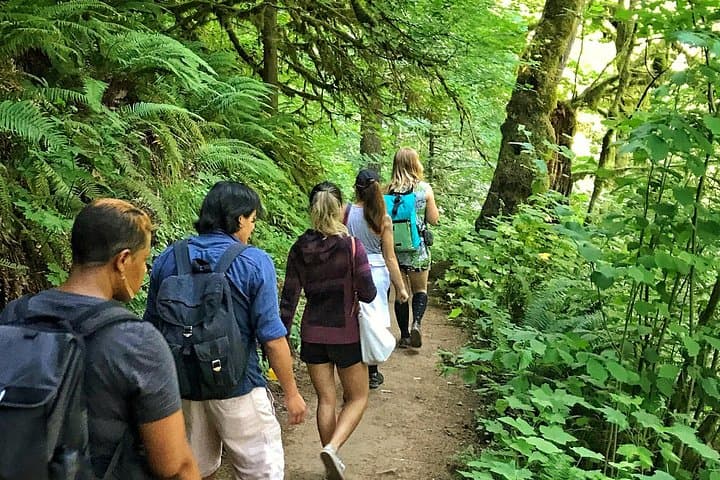
Lose the city for a few hours without leaving it: this 5-mile, 900-foot-gain Forest Park loop threads old-growth pockets, city viewpoints, and cultural landmarks for a compact taste of Portland’s wild side. Expect moss, roots, and stories.