
What the day feels like
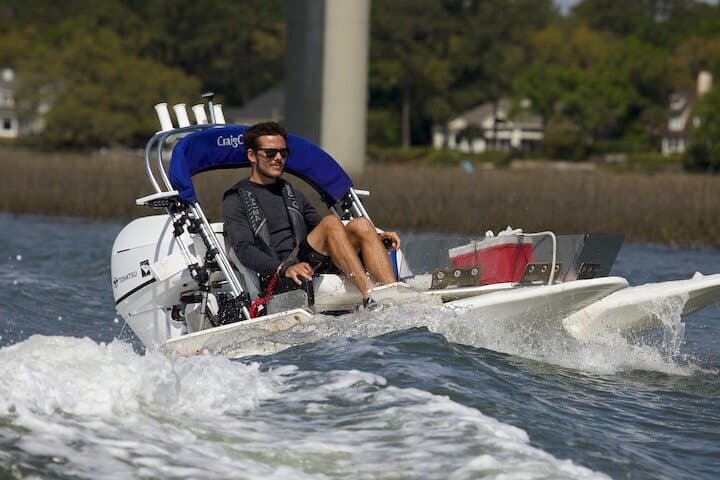
The motor wakes like a small animal, eager and impatient. Salt air slides across your face and the marsh answers in a chorus of reeds and gull calls as the guide cuts a tidy arc through the tidal creeks. You and a mate sit side-by-side in a compact two-person Creek Cat—a 30HP, low-profile craft that handles like a go-kart on water—and for the next two hours the winding waterways of Hilton Head Island become a corridor of surprise: a pod of Atlantic bottlenose dolphins arcing away from the bow, a lone great blue heron standing like a sentry on a mudflat, and the red-and-white Harbour Town lighthouse rising from a cluster of live oaks and boats.
This is not a placid harbor cruise. The Creek Cat tour is kinetic, approachable, and instructive. Guides point out oyster beds, explain the rhythms of the tides and marshes, and tell the island’s human story—how Captain William Hilton put the place on English maps in the 1660s and how the Lowcountry’s culture and ecology are braided together here. If you want a fast, intimate way to see both wildlife and shoreline history—with the thrill of piloting your own vessel—this is it. Book the experience through the local experts for context and ease: <a href="https://app.advcollective.com/local-experts/hilton-head-creek-cat-tour-2-hour-guided-boat-adventure">Hilton Head Creek Cat tour</a>.
Geology here reads like a slow-motion experiment. Barrier islands such as Hilton Head formed as sand built up on the continental shelf and mangrove and marsh colonized the edges; the creeks you’ll thread were carved by tidal flows and storms. That tidal choreography makes the marshes among the most productive ecosystems on the East Coast—nurseries for fish and magnets for birds. The boat slips between channels and exposed flats where the guide will point to the pale crescents of recently harvested oyster beds and the dark lines where fiddler crabs have scored the mud.
Culture is a quiet presence. Lowcountry cuisine, with its shrimp-and-grits and Lowcountry boils, is rooted in the estuaries you’re cruising. The Gullah-Geechee people—descendants of enslaved Africans—left an imprint on the region’s language, crafts, and foodways. Guides typically weave this human history into the tour, giving context to the shoreline cottages and the modern marinas you pass.
Practical detail matters: the tour runs about 120 minutes, each Creek Cat seats two people, and the motor’s 30HP personality means you’ll move briskly from cove to cove. The company emphasizes safety and local stewardship; life jackets are supplied and instructions are given before launch. Expect short bursts of speed and many stops for photos and wildlife viewing. The price starts around $145 per boat, and because the boats are small, tours often book up quickly—reserve a spot to avoid disappointment.
Timing makes a difference. Morning runs give cooler air and calmer water, with better light for photos and a higher probability of quiet wildlife encounters. Late afternoon—golden hour—sets the marsh aglow and often delivers spectacular skies for silhouette shots of the lighthouse.
What to prepare for is straightforward. Dress in layers: the sun can be strong on the open water and the coastal breeze can be cool, especially in shoulder seasons. Bring polarized sunglasses, reef-safe sunscreen, and a windbreaker you won’t mind getting a bit of spray on. Footwear should be secure and quick-drying—think closed-toe boat shoes or sneakers. If you want better photos, bring a small tethered camera or a phone leash; the boat’s motion and occasional spray mean gear can be lost quickly.
Wildlife encounters are frequent but never guaranteed. Bottlenose dolphins are the charismatic headline species; shorebirds—egrets, herons, terns—are constant companions. Respect a watchful patience: you’ll get the best looks when the skipper idles and lets the animals decide how close to come.
Sustainability is part of the tour’s value proposition. Guides typically explain how the island’s salt marshes act as carbon sinks and protect the coastline, while also coaching riders not to feed wildlife or dislodge oysters. The best operators follow low-impact practices and encourage visitors to pack out what they bring in.
If you’re planning to add a land component, the tour pairs well with a stop at Harbour Town for an afternoon climb of the lighthouse steps and a late lunch of local seafood. Or weave the cruise into a bike-and-boat day: Hilton Head’s extensive bike paths make it easy to pedal between marinas and beaches.
For travelers, the Creek Cat tour is an ideal half-day option—fast enough to feel like an adventure but accessible enough for families and newer boaters. It teaches you to read the water, rewards patience with wildlife, and places the island’s natural history in an approachable, kinetic frame. Reserve early, come prepared for sun and spray, and let the marshes do the rest. And when you do, remember to click through to the local experts so you’re supporting operators who know these creeks intimately: <a href="https://app.advcollective.com/local-experts/hilton-head-creek-cat-tour-2-hour-guided-boat-adventure">book the Creek Cat adventure</a>.
Trail wisdom
Small choices, better day.
Sunscreen and Shade
Bring reef-safe sunscreen and a brimmed hat—the sun reflects fiercely off the water even on cooler days.
Secure Your Gear
Tether cameras and sunglasses; a small dry bag keeps phones and wallets safe from spray.
Timing Matters
Book a morning slot for calmer water and quieter wildlife viewing, or an evening run for golden-hour light.
Listen to the Guide
Guides will give quick safety briefings and local ecology notes—follow their instructions for the best and safest experience.
Local knowledge
Read the place, not just the route.
Watch for native species including Atlantic Bottlenose Dolphin, Great Blue Heron.
Keep an eye out for wildlife during the transition between areas and habitats. Respect distance guidelines.
The marshes you cruise are important carbon sinks and nursery habitat—avoid disturbing shoreline vegetation and never feed wildlife.
Follow the guide's instructions on size limits, ethical handling, and leave-no-trace practices.
Back-channel oyster bars exposed at low tide—ask your guide to point them out. Sheltered coves near the north end of the island that offer quiet birdwatching away from marinas
Locally recommended viewpoints and quiet spots known best to local operators.
Hilton Head is named for Captain William Hilton, who charted the coast in 1663; the island’s maritime economy and Gullah-Geechee heritage shaped its Lowcountry culture.
Maritime roots and regional tradition shape the waterways and working coasts.
Seasonal guide
Four versions of the same landscape.
Spring
Best forDolphin sightings · Wildflower and bird migration · Mild temperatures
ChallengesOccasional spring storms · Variable tides
Spring brings comfortable air and active wildlife; expect a mix of sunny mornings and brief showers—dress in layers and check the forecast.
Summer
Best forWarm water swims nearby · Abundant marine life · Longer daylight hours
ChallengesHigh sun and humidity · Peak tourist crowds
Summer is lively and warm; plan early departures to beat heat and crowds, and use strong sun protection.
Fall
Best forCalmer seas · Pleasant temperatures · Good light for photos
ChallengesHurricane-season spillover early in season · Cooler evenings
Fall often offers some of the best boating conditions—mild temperatures and clearer skies—making it a favorite season for locals.
Winter
Best forQuiet marinas · Crisp visibility · Rare off-season wildlife behavior
ChallengesCool winds on the water · Shorter daylight hours
Winter tours can be brisk but rewarding; layer up and bring a windproof jacket for launch and return.
Operator details
What the booking data adds.
Included
- ✓See wildlife such as egrets, eagles, ospreys, and otters along the way
- ✓2-Hour Guided Hilton Head Island Creek Cat Eco Tour
- ✓Complimentary Bottled Water
- ✓Professional Guide
- ✓Visit Harbour Town, Daufuskie Island, and more
Not included
- —Hotel pickup/dropoff
- —Gratuities
Good to know
- ✓Not recommended for travelers with spinal injuries
- ✓Not recommended for pregnant travelers
- ✓Not recommended for travelers with poor cardiovascular health
- ✓Suitable for all physical fitness levels
- ✓Must be 21 years old with VALID driver license to drive
- ✓Minimum of 5 years old + to be a passenger
- ✓Maximum weight is 250lbs per passenger
- ✓Please arrive 20 minutes prior to your scheduled departure time.
- ✓No Alcohol or Drugs are permitted prior or during the activity
Pack with intention
What to bring.
Good to know
Common questions.
No formal boating license is required for this guided two-person tour; guides provide instruction and supervise navigation.
Plan the edges
The details that make the day easier.
Hilton Head Island was named after Captain William Hilton, who charted the area in 1663.
After the tour, head to Harbour Town for Lowcountry classics—try shrimp and grits or a seafood platter at a marina-side eatery. The Salty Dog Cafe at South Beach is a local institution for casual seafood and waterfront views, and small breweries on the island offer refreshing end-of-day pours.
- Closest airport
- Savannah
- Hilton Head International (SAV) ~45 minutes drive; meeting point
- Shelter Cove or Harbour Town marinas; driving distance from Hilton Head Island town center: under 30 minutes; cell service: generally good near marinas, patchy in remote creeks; permits: none required, life jackets provided.
Operators follow low-impact practices—do not feed wildlife, avoid dislodging oysters, and use reef-safe sunscreen to protect fragile coastal habitats.
Explore by topic
Follow the threads.
Keep exploring
Make the story part of the trip.
In four hours you can move from shaded canyon ferns to wind-scoured coastal ridgelines, guided by someone who knows where the light—and the hidden views—live. This private half-day hike on the Monterey Peninsula or Big Sur is compact, curated, and perfect for travelers who want depth without a multiday commitment.
 Related story
Beneath a sky of shifting light, Skaftafell’s ice reads like a map of time. This three-hour guided glacier hike mixes technical instruction with geology and culture: compact, safe, and unforgettable.
 Related story
Lose the city for a few hours without leaving it: this 5-mile, 900-foot-gain Forest Park loop threads old-growth pockets, city viewpoints, and cultural landmarks for a compact taste of Portland’s wild side. Expect moss, roots, and stories.