
What the day feels like
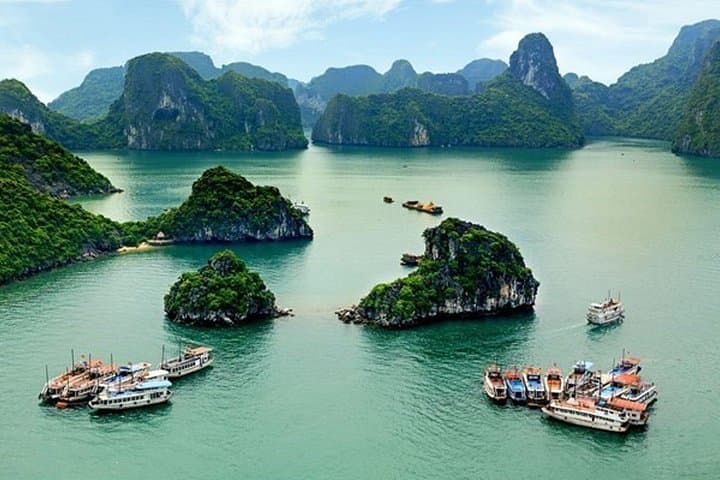
You arrive to Hanoi before dawn, when the city is still negotiating the day. Vendors string lights across narrow lanes, motorbikes hum like a low tide, and steam rises from bowls of pho that seem to warm the whole street. This is where the tour begins—not with ceremony but with the ordinary pulse of life that makes a place feel lived-in. Over the next twelve days you move through landscapes that act like different chapters of the same book: limestone karsts that emerge from Ha Long Bay like a chorus of stony sentinels, imperial tombs and incense-scented alleys in Hue, the lullaby waterways of the Mekong Delta.
This is not a checklist vacation; it’s a paced sweep across geography and culture, a sequence that stitches cityscapes to coastlines and rice paddies to canal markets. The <a href='https://app.advcollective.com/local-experts/best-of-vietnam-12-day-tour-hanoi-ha-long-hoi-an-mekong-delta'>Best of Vietnam 12-Day Tour</a> is structured to move deliberately: mornings for exploration, afternoons for quiet transit, and evenings to sample the local life—lantern-lit dinners in Hoi An, street-food circuits in Hanoi, and slow riverboat rides at sunrise on the Mekong.
Geology and history are on display everywhere. Ha Long’s karsts are millions of years in the making, their limestone worn into caves and pillars by the patient work of wind and water; they were recognized by UNESCO in 1994. Inland, Hue’s citadel and mausoleums are reminders of Vietnam’s dynastic past and a time when the Perfume River threaded courtly power into daily life. The Mekong, pushing toward the sea, networks a delta system that’s as much about human ingenuity—stilt houses, floating markets, orchard groves—as it is about the river’s current. Travel here feels less like visiting a place and more like being admitted into a series of local rhythms.
Practicalities shape the pleasure. The tour covers roughly 12 days (17280 minutes), and is best suited to travelers who want a curated, moderately active trip that balances guided city walks with boat time and light cycling. Expect most days to include walking of 2–6 miles but no technical terrain—paved alleys, boardwalks, boat decks, and the occasional stair of a pagoda. Weather will mediate how these days feel: humid summers make Ha Long’s deck time sticky; cool spring mornings make cycling in Hoi An a joy.
What travelers remember most are the small encounters: a boatman showing how to push a sampan with a single pole; a tile-roofed market where a woman sells ribbon-like rice paper she makes herself; the way a river dares you to slow down as its current carries a patchwork of floating homes past your bow. Food is its own landscape. In Hanoi, egg coffee and street-side bun cha taste like revelation. In Hoi An, cao lầu and fresh bánh mì feel like a local rite. The Mekong is citrus and coconut and grilled fish—a flavor map of the delta.
Timing and logistics: fly into Noi Bai International Airport (Hanoi), and the tour typically moves southward—Ha Long, Hue, Hoi An, and on to Ho Chi Minh City and the Mekong Delta. Accommodations alternate between comfortable city hotels and waterside lodgings; nights are mostly planned, though there’s enough margin for spontaneous exploration. Cost starts from roughly USD 1,682 per person for the package—good value considering the multi-city logistics, internal transfers, guides, and some included activities.
Preparation is simple but smart. Bring comfortable walking shoes for cobbled streets and market sprints. Pack a light rain jacket for sudden tropic downpours. A small daypack, refillable water bottle, and power bank keep you moving between photo stops. Currency-wise, carry some cash for markets and small vendors; cards work in larger hotels and restaurants. Respect local customs—cover shoulders at temples, accept small hospitality gestures with both hands, and be attentive in markets where photography may be unwelcome.
For photographers, the tour is generous: dawn light on Ha Long’s karsts, the blue-gold hour over Hoi An’s lanterned bridges, and the chaotic color of Cai Rang floating market at first light. Rise early and be patient; the river rewards those who wait.
Why go? Because Vietnam on a single journey can feel disjointed—north and south are so different—but this route knits them into a coherent story. You’ll return with a suitcase of flavors, a camera full of frames that feel distinct from one another, and an appreciation for how human settlements adapt to dramatic landscapes. If you want the backbone of a country presented clearly, with room for wandering off the beaten track, this twelve-day sweep delivers.
Practical booking note: for a direct, expert-curated option, see the itinerary and local guides here: <a href='https://app.advcollective.com/local-experts/best-of-vietnam-12-day-tour-hanoi-ha-long-hoi-an-mekong-delta'>Best of Vietnam 12-Day Tour</a>. It’s worth reading the daily breakdown and verifying what’s included—transport, some meals, and guided entries—so you can plan your independent moments in towns like Hoi An and Ho Chi Minh City.
In short: start with a street bowl of pho in Hanoi, let the karsts of Ha Long watch you pass, honor the history of Hue, float beneath Hoi An’s lanterns, and finish with the slow, fragrant current of the Mekong. The landscapes will have their say; so will the people you meet along the way.
Trail wisdom
Small choices, better day.
Carry Local Currency
Small vendors, rural markets, and some guesthouses prefer cash—keep small denominations on hand.
Hydrate Smart
Tropical days can be hot and humid—use a refillable bottle and electrolyte tabs during long transfer days.
Pack Quick-Dry Layers
A lightweight rain jacket and breathable layers are indispensable for sudden showers and cool mornings.
Respect Temple Etiquette
Cover shoulders and knees at religious sites and remove hats and shoes where requested.
Local knowledge
Read the place, not just the route.
Watch for native species including Water Buffalo in rice paddies, Migratory and coastal birds in the Mekong delta.
Keep an eye out for wildlife during the transition between areas and habitats. Respect distance guidelines.
Ha Long Bay is UNESCO-listed and faces pressure from tourism—choose operators that follow no-trace practices and avoid single-use plastics.
Follow the guide's instructions on size limits, ethical handling, and leave-no-trace practices.
Bai Tu Long Bay—quieter karst inlets adjacent to Ha Long for a less touristy boat experience. Early-morning Cai Rang floating market for intimate river scenes and vibrant trade
Locally recommended viewpoints and quiet spots known best to local operators.
This route traces Vietnam’s layered history—from imperial Hue and French colonial architecture to the vibrant street cultures of Hanoi and Ho Chi Minh City.
Maritime roots and regional tradition shape the waterways and working coasts.
Seasonal guide
Four versions of the same landscape.
Spring
Best forComfortable temperatures · Clear coastal views · Festivals and flowers
ChallengesOccasional light rain · Variable north-south temperatures
Spring (Feb–Apr) brings mild weather and good visibility—an ideal window for city walks and Ha Long cruises.
Summer
Best forLush green rice paddies · Long daylight hours
ChallengesHigh humidity and heat · Frequent tropical showers
Summer can be hot and wet; plan active outdoor time for mornings and expect sudden rain.
Fall
Best forCrisp air in the north · Great light for photography · Harvest season scenery
ChallengesCooler nights in the north · Some typhoon risk later in fall
Autumn offers clear skies and comfortable temperatures—one of the best times for travel across regions.
Winter
Best forOff-season rates · Clear water in Ha Long Bay
ChallengesCooler northern weather · Occasional fog and reduced visibility
Winter can be cool in Hanoi and Hue; bring layers but enjoy quieter attractions and fewer crowds.
Operator details
What the booking data adds.
Included
- ✓Lunch
- ✓Dinner
- ✓Air-conditioned vehicle
- ✓Breakfast
- ✓English speaking tour guide
Not included
- —Domestic flight ticket as requirement. (Hanoi – Hue, Da Nang – Saigon).
- —Visa approval letter & visa stamping fees to Vietnam
- —Meals non-mentioned in the tour program.
Good to know
- ✓Public transportation options are available nearby
- ✓Not recommended for travelers with spinal injuries
- ✓Not recommended for travelers with poor cardiovascular health
- ✓Suitable for all physical fitness levels
Pack with intention
What to bring.
Good to know
Common questions.
Expect 2–6 miles of mostly easy walking daily—city streets, market lanes, and light shoreline paths—broken up by transport and boat transfers.
Plan the edges
The details that make the day easier.
Ha Long Bay was designated a UNESCO World Heritage Site in 1994 for its exceptional karst landscapes and biodiversity.
Eat bun cha in Hanoi’s Old Quarter, sip egg coffee at a street-side café, try cao lầu and lantern-lit dinners in Hoi An, and sample fresh river fish in the Mekong—pair meals with local beers or iced Vietnamese coffee.
- Closest airport
- Noi Bai International Airport (Hanoi). Typical starting point: Hanoi city center. Driving: multi-hour transfers between major stops; expect long haul coach or short flights. Cell: Good in cities, patchy in remote delta and some bay areas. Permits: None special, but boat tickets and park fees may apply for Ha Long.
Choose operators that limit single-use plastics, follow designated anchoring in Ha Long to protect reefs, and support community-based homestays in the Mekong to ensure economic benefits stay local.
Explore by topic
Follow the threads.
Keep exploring
Make the story part of the trip.
In four hours you can move from shaded canyon ferns to wind-scoured coastal ridgelines, guided by someone who knows where the light—and the hidden views—live. This private half-day hike on the Monterey Peninsula or Big Sur is compact, curated, and perfect for travelers who want depth without a multiday commitment.
 Related story
Beneath a sky of shifting light, Skaftafell’s ice reads like a map of time. This three-hour guided glacier hike mixes technical instruction with geology and culture: compact, safe, and unforgettable.
 Related story
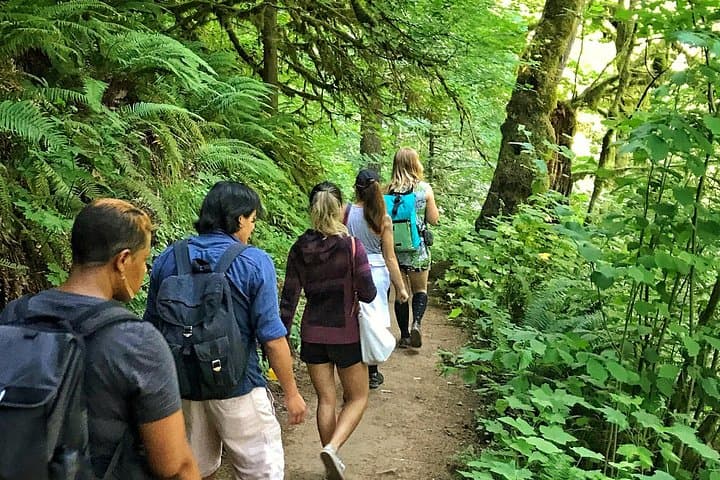
Lose the city for a few hours without leaving it: this 5-mile, 900-foot-gain Forest Park loop threads old-growth pockets, city viewpoints, and cultural landmarks for a compact taste of Portland’s wild side. Expect moss, roots, and stories.