
What the day feels like
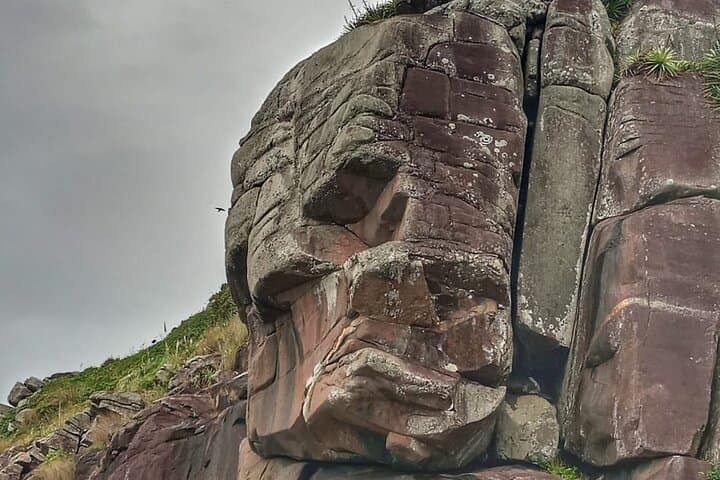
The morning wind across Praia da Silveira feels like an invitation: saline, bright, and insistent. You step off packed sand into a narrow footpath that threads the bluff, the Atlantic on your left a relentless blue-slate presence, the cliff's scrub and weathered rock to your right. In the space between—sunlit herons, spiky restinga plants, and the occasional surf-splattered cairn marking a route—the land nudges you toward a stone that looks for all the world like a sleeping sphinx. It's the Esfinge, a natural monument that gives this hike its local name, and it makes the coastline feel older than memory.
This is the <a href="https://app.advcollective.com/local-experts/sphinx-trail-praia-da-silveira-natural-pools-sambaqui-rock-inscriptions">Sphinx Trail</a>—a four-hour coastal loop that stitches a handful of Floripa's sharp coastal geology, millenary human traces, and a rinse-in-natural-pools finale into a compact, satisfying outing. The trail leads past cliffside vistas that frame the island in shards of light, then down to bands of rock where early coastal inhabitants—the Sambaqui peoples—left carved inscriptions and shell-midden evidence of long-ago settlement. On the return, natural tide pools invite a scrubbed, salty cooldown.
Geology and history sit close together here. The cliffs are a mix of coastal sandstones and compacted sediments shaped by swells and wind, pocked by small tide pools and clefts that local fishermen and naturalists know as microhabitats for crabs and limpets. The rock inscriptions found along the route are part of a broader sambaqui culture—prehistoric shell-mound builders whose middens, burial sites, and markings crop up along Brazil's southern coastline. Those traces make the trail not just a scenic walk but a corridor through human time.
Culture in Florianópolis threads through the ocean. Fishing, seafood, and respect for the tide are woven into daily life on the island: small boats bob in coves; handlines and beach fires are still part of seasonal harvests. Walking this stretch, you get a sense of how the coastline was a long-standing avenue for people, food, and stories long before modern roads carved the island into neighborhoods.
The route itself is straightforward but textured. Much of the hike follows narrow earthen paths along cliff edges with some rocky steps and short scrambles where waves and erosion have cut the track into ledges. There are no technical pitches or fixed ropes; it's a trail that rewards steady footing and modest agility. Expect short ascents and descents—more rolling than steep—but be ready for slippery rock where algae and spray make steps cautious. The prize at the far end is a shallow set of natural pools, carved into bedrock and warmed by the sun; they're a perfect spot to strip down, rinse off, and watch gulls wheel.
Why go? The Sphinx Trail compresses some of island life into a half-day: ocean proximity, wildlife sightings, geology underfoot, and a cultural layer that reaches back centuries. It's accessible for confident walkers and offers enough variety—views, rock art, and swimming—to feel like a small expedition. At around four hours, it's long enough to feel like an outing and short enough to fit into a day of island exploration. Tours typically include a local guide who points out the inscriptions and explains the natural history; for first-timers, that context elevates the walk.
Practicalities: The trip runs roughly four hours, and most organized departures include transport to and from central Florianópolis. Mornings—especially just after high tide—are the best window for stable footing and calmer pools. Wear trail shoes with good grip; bring water and sun protection; and pack a quick-dry towel for the natural pools. There are no formal permits for day visitors, but the site is protected in spirit: avoid touching or climbing on the rock inscriptions, take all trash with you, and keep noise to a minimum to preserve both cultural artifacts and wildlife.
Safety notes are plain: coastal trails can be deceptively slippery; watch the tide line if you move close to the surf; and if you plan to swim, be mindful of currents that can run in small, jagged channels. A local guide makes the route easier and provides cultural interpretation—bookings usually run on small-group or private formats and are often confirmed instantly online. The price point is approachable for most travelers, and the itinerary's compact nature means you can pair it with lunch in Lagoa da Conceição or an afternoon surf session.
If you want to expand the day, consider combining the hike with a visit to other east-coast coves or a short boat trip that shows the cliffs from sea level. Otherwise, bring a camera (wide and mid-range lenses are ideal), wear layers for coastal wind, and leave room in your afternoon for a seafood meal—local restaurants make a good place to talk over the day's tide and tracks.
For travelers who want a balanced, coastal hike with cultural payoff and a refreshing finish, the Sphinx Trail is an ideal half-day adventure. It's a chance to feel the Atlantic close, to see human traces layered into landscape, and to earn a swim in one of Floripa's honest, sun-warmed pools. For practical booking and local expert guides, check the full local expert listing at <a href="https://app.advcollective.com/local-experts/sphinx-trail-praia-da-silveira-natural-pools-sambaqui-rock-inscriptions">Sphinx Trail - Praia da Silveira</a>.
Duration & price: The tour is typically 4 hours and prices start around USD 34.92; most operators offer private or small-group formats and include round-trip transport from central Florianópolis. Bring curiosity, steady shoes, and a modest respect for the rocks underfoot—this is a trail where the sea and history meet.
Trail wisdom
Small choices, better day.
Start on low-swell mornings
Begin after dawn and near low-to-mid tide to avoid spray on cliff ledges and to access calmer natural pools.
Wear grippy footwear
Trail shoes with sticky soles help on algae-slick rock and narrow cliffside steps.
Respect the inscriptions
Do not touch or climb on sambaqui markings—photograph from a distance and ask your guide about their significance.
Bring a light swim towel
A quick-dry towel and a small dry bag let you cool off in the pools and keep electronics safe.
Local knowledge
Read the place, not just the route.
Watch for native species including Brown-hooded gulls, Ghost crabs.
Keep an eye out for wildlife during the transition between areas and habitats. Respect distance guidelines.
This coastline is ecologically sensitive and archaeologically significant—pack out all trash, avoid disturbing shoreline organisms, and do not touch or remove artifacts.
Follow the guide's instructions on size limits, ethical handling, and leave-no-trace practices.
Small tide pools just east of the Esfinge that host colorful limpets and small fish. A quiet cove a short walk beyond the main pools favored by local anglers
Locally recommended viewpoints and quiet spots known best to local operators.
The rock inscriptions and shell middens belong to the sambaqui culture—coastal communities that built shell mounds and left archaeological traces along southern Brazil’s shores.
Maritime roots and regional tradition shape the waterways and working coasts.
Seasonal guide
Four versions of the same landscape.
Spring
Best forMild weather · Wildflower blooms
ChallengesOccasional rain showers · Variable surf
Spring (Sept–Nov) brings pleasant temperatures and fewer crowds—ideal for comfortable hiking and photography.
Summer
Best forWarm water swims · Long daylight hours
ChallengesCrowded beaches · Stronger UV and heat
Summer offers the warmest sea and longest days but expect more visitors and stronger sun—start early to avoid peak heat.
Fall
Best forStable weather · Fewer tourists
ChallengesCooler evenings · Possibility of storms late in the season
Autumn keeps comfortable hiking conditions and clearer skies—late afternoon light is excellent for cliffside shots.
Winter
Best forQuieter trails · Dramatic surf
ChallengesCool water temperatures · Rough seas
Winter brings rugged waves and solitude; swimming is less appealing, and conditions can be wet and windy.
Operator details
What the booking data adds.
Included
- ✓Air-conditioned vehicle
Good to know
- ✓Infants are required to sit on an adult’s lap
- ✓Suitable for all physical fitness levels
Pack with intention
What to bring.
Good to know
Common questions.
Organized outings run about four hours round-trip; the exact walking distance varies with the route but is typically a manageable half-day hike.
Plan the edges
The details that make the day easier.
Sambaqui sites along Brazil’s southern coast can be more than 5,000 years old—these shell middens and associated artifacts provide key evidence of prehistoric coastal life.
After the hike, head toward Lagoa da Conceição for seafood moquecas, craft beers, and ocean-view cafes; for a casual local bite, try freshly grilled fish and an iced coconut water at a beachside barraca.
- Closest airport
- Hercílio Luz International (FLN) — drive 30–60 minutes; Trailhead: Praia da Silveira; Driving distance from Florianópolis center ~30–45 min; Cell service: intermittent on cliffs; Permits: none required for day hikes, but respect protected sites and local rules.
The trail passes archaeological and sensitive coastal habitats—pack out everything, stay on designated paths, and never remove shells or artifacts; support local guides who practice low-impact tourism.
Explore by topic
Follow the threads.
Keep exploring
Make the story part of the trip.
In four hours you can move from shaded canyon ferns to wind-scoured coastal ridgelines, guided by someone who knows where the light—and the hidden views—live. This private half-day hike on the Monterey Peninsula or Big Sur is compact, curated, and perfect for travelers who want depth without a multiday commitment.
 Related story
Beneath a sky of shifting light, Skaftafell’s ice reads like a map of time. This three-hour guided glacier hike mixes technical instruction with geology and culture: compact, safe, and unforgettable.
 Related story
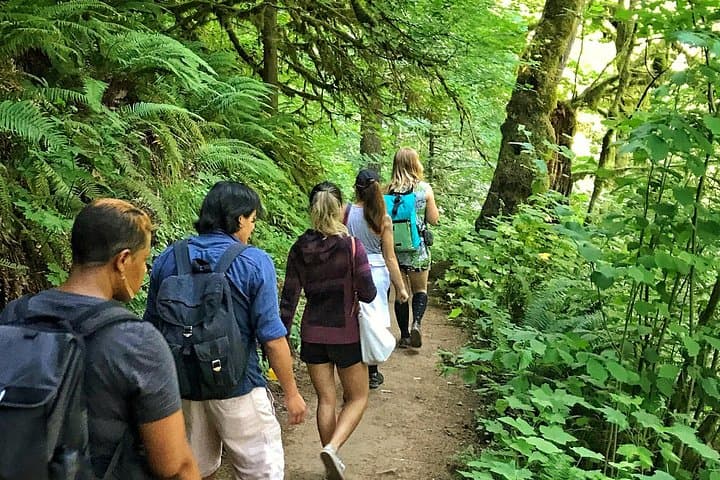
Lose the city for a few hours without leaving it: this 5-mile, 900-foot-gain Forest Park loop threads old-growth pockets, city viewpoints, and cultural landmarks for a compact taste of Portland’s wild side. Expect moss, roots, and stories.