

What the day feels like
You arrive at the seawall before dawn, when Guanabara Bay is a sheet of pewter and the city still exhales sleep. Joggers pace past palm trees like punctuation marks; fishermen cast lines into the gentle swell; beyond them, Sugarloaf sits like a sentinel, its silhouette folded against a softening sky. This stretch of waterfront — Flamengo — wears Rio’s contradictions plainly: manicured lawns and brutalist monuments, open water and intimate samba corners, an urban park that invites easy movement and the bay that dares you to go further.
Flamengo is less a place than a posture: the Aterro do Flamengo, the parkland reclaimed from the sea in the 1960s, unspools along the edge of the city and organizes a parade of experiences. Cyclists ride the wide promenade under the design language of Roberto Burle Marx, whose sweeping plantings and modernist geometry feel like choreography for the city’s daily rituals. From here you can map an entire day of motion — a panoramic bike ride past Copacabana and Botafogo, a half-day cruise around Guanabara Bay, or a slow afternoon discovering the maritime history visible from the seawall.
Geology and history conspire in the skyline: granite monoliths thrusting from the city form the stucco backdrop to beaches and neighborhoods. Flamengo’s shoreline is part of the bay where Rio’s first European settlements took root; forts and colonial traces dot the islands. The land itself is engineered — the Aterro is built on landfill, a mid-20th-century urban ambition that created the city’s cultural corridor and set the stage for modern Rio. Today the park is play space, commuter route and festival ground, as comfortable hosting a full-moon samba circle as it is offering a quiet bench to watch plane landings at Santos Dumont.
Culturally, Flamengo sits between worlds. A short ride east and you hit the historic center and Lapa — where the Selarón Steps and nightlife thrum — and swing west and the beaches of Copacabana offer their own rituals of sun, volleyball and vendor carts. Food here is both street and ceremonial: Carioca staples like coxinha and feijoada appear beside coastal catches and northern influences; a guided food walk through Little Africa can end with samba at Pedra do Sal, while a curated boat tour can serve churrasco on a floating deck as the city slips by.
The activities that fit Flamengo are straightforward and satisfying because the setting is forgiving. A panoramic bike tour that threads from Copacabana to Guanabara Bay and skims Flamengo beach makes sense here — the promenade is wide, views are constant and there are plenty of good places to stop for coffee or a caipirinha. Or choose the water: half-day and private boat tours launch from nearby marinas to circle the bay, cutting under the Niterói Bridge and past the Cagarra Archipelago, with options to snorkel or swing in a floating hammock off a deserted stretch of water. Both modes let you move through the city’s layers — landscape, history and modern life — at a human pace.
Practical notes matter. Bike tours typically cover 10–20 kilometers on mostly paved paths with minimal elevation; a comfortable level of fitness and confidence riding in city traffic for short stretches makes the trip pleasurable. Boat tours vary from leisurely cruises to private charters with barbeque and drinks; check whether snorkeling gear and a licensed skipper are included. For a full-day private tour you’ll gain efficiency: fast-track access to icons like Christ the Redeemer and Sugarloaf plus a barbecue lunch with bay views.
Timing is everything. Early morning is perfect for light and calm water; late afternoon delivers golden light for photos and a softer crowd. Weekends are lively; if you want to avoid the biggest crowds, choose a weekday morning for a bike ride or a late-afternoon cruise.
Safety and etiquette are practical: wear reef-safe sunscreen if you plan to swim in the bay; secure your belongings on the promenade; and respect the park’s manicured plantings and public art. Sustainability has an obvious role here — Flamengo is an urban oasis created by reclamation and careful planting, so stick to paths and minimize single-use plastics when you’re on a boat.
Flamengo is a short, clear statement of what makes Rio compelling: landscape that invites movement, history tied to the water, and a civic life lived outdoors. Whether you’re pedaling under Burle Marx’s palms or anchored offshore with a barbecue and a cold drink, the experience is the same: the city presents itself in motion, and you’re invited to join.
Why go: it’s an accessible introduction to Rio’s geography — the best short loop of city, sea and skyline. How to plan: pair a morning bike tour that takes in the Aterro with a midafternoon Guanabara Bay cruise, or book a private boat with barbecue for a flexible, small-group day on the water. What to know: the promenade is paved and flat; boats can be open to sun and wind; and small comforts — good shoes, a wind layer, and a water bottle — make the day much better.
Flamengo does not demand a pilgrimage. It asks only for curiosity: move through, look up, listen. The payoff is immediate — the city’s edges, when explored with motion and purpose, reveal a Rio that is human-sized, generous and still a little wild.
Trail wisdom
Small choices, better day.
Start early for calm water and soft light
Sunrise hours bring glassy Guanabara Bay and quieter promenades, ideal for photos and a peaceful bike ride.
Bring reef-safe sunscreen for swims
If your itinerary includes snorkeling or a swim from a boat, use reef-safe sunscreen to protect marine life in the bay.
Lock your bike and secure valuables
Use a reliable lock and carry small valuables on your body—promenade paths are busy and vendor crowds form quickly.
Layer for wind on the water
Even on warm days, a light windbreaker is useful on a boat when speeds pick up or the sun drops behind Sugarloaf.
Local knowledge
Read the place, not just the route.
Watch for native species including Brown pelican (in coastal spots), Various shorebirds and migratory waders along the seawall.
Keep an eye out for wildlife during the transition between areas and habitats. Respect distance guidelines.
Marine and coastal conservation efforts focus on improving water quality in Guanabara Bay and limiting single-use plastics during boat tours; choose operators who follow these practices.
Follow the guide's instructions on size limits, ethical handling, and leave-no-trace practices.
Passeio Público within Aterro do Flamengo — quieter garden pockets and sculpture installations. Small samba rodas at Pedra do Sal (nearby) on Monday evenings — authentic music scene
Locally recommended viewpoints and quiet spots known best to local operators.
The Aterro do Flamengo was constructed in the mid-20th century as landfill reclamation and later landscaped by Roberto Burle Marx, creating the park that defines the waterfront.
Maritime roots and regional tradition shape the waterways and working coasts.
Seasonal guide
Four versions of the same landscape.
Spring
Best forpleasant temperatures · fewer crowds than summer · photography at golden hour
Challengesoccasional showers · variable wind on the bay
(Sept–Nov) Southern-hemisphere spring brings comfortable temperatures and good light—ideal for bikes and late-afternoon cruises.
Summer
Best forbeach swimming · long daylight hours · festive atmosphere
Challengesheat and humidity · larger crowds · higher chance of afternoon storms
(Dec–Feb) Hot and lively: great for beach days and full-boat parties, but pack for heat and expect busy promenades.
Fall
Best forstable weather · less humidity · clear views
Challengesshortening days · cooler evenings on the water
(Mar–May) Mild weather and clearer skies make fall excellent for mixed activities—bike rides in the morning and boat outings at midday.
Winter
Best fordrier days · calmer seas · fewer tourists
Challengescooler mornings · colder water temperatures for swimming
(Jun–Aug) Rio’s winter is mild and dry—great for active sightseeing and photography, with cooler water for swimmers.
Pack with intention
What to bring.
Good to know
Common questions.
Yes — several boat tours include swimming stops, but water quality can vary; choose operators who monitor conditions and provide snorkeling gear.
Plan the edges
The details that make the day easier.
The Aterro do Flamengo park was landscaped by renowned Brazilian artist and landscape designer Roberto Burle Marx and opened to the public in the 1960s.
Pair a bike tour with street snacks—try coxinha or pastel from a beach vendor—and finish with a samba night at Pedra do Sal to hear Rio’s musical roots in Little Africa.
- Nearest city
- Rio de Janeiro | Meeting points vary (Aterro do Flamengo promenade or nearby marinas) | Transit: accessible by metro and taxis | Typical durations: 2–6 hours | Tip: bring ID and small cash.
Choose operators who use reusable serviceware, provide waste disposal on boats, and support local conservation initiatives to help protect Guanabara Bay’s improving ecosystem.
Explore by topic
Follow the threads.
Keep exploring
Make the story part of the trip.
In four hours you can move from shaded canyon ferns to wind-scoured coastal ridgelines, guided by someone who knows where the light—and the hidden views—live. This private half-day hike on the Monterey Peninsula or Big Sur is compact, curated, and perfect for travelers who want depth without a multiday commitment.
 Related story
Beneath a sky of shifting light, Skaftafell’s ice reads like a map of time. This three-hour guided glacier hike mixes technical instruction with geology and culture: compact, safe, and unforgettable.
 Related story
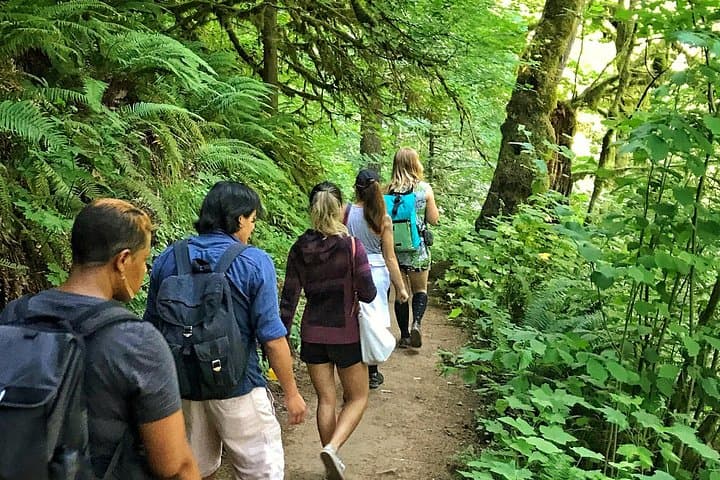
Lose the city for a few hours without leaving it: this 5-mile, 900-foot-gain Forest Park loop threads old-growth pockets, city viewpoints, and cultural landmarks for a compact taste of Portland’s wild side. Expect moss, roots, and stories.