

What the day feels like
The morning light at Fallen Leaf Lake comes on slow and deliberate, as if the mountains themselves are taking their time to wake. Mist lifts off slate-blue water in thin ribbons, and the pines along the shore stand like quiet sentinels. A lone paddleboard cuts a narrow mirror path across the surface; the only sound is a single gull and the distant rattle of a pine cone tumbling down a steep slope. This is not the busier edge of Lake Tahoe. Fallen Leaf feels like a secret kept by the Sierra—an alpine basin that rewards simple, deliberate travel: a long loop on foot, a day afloat on glassy water, or a cool night under an old-growth canopy.
Geology and human stories are written into the basin here. Fallen Leaf is a glacially carved alpine lake tucked just west of South Lake Tahoe, sitting at roughly 6,375 feet. The glaciers that gouged these valleys left clean granite shelves and steep headwalls; those same features make for dramatic shorelines and sudden walls of forest rising from the waterline. For generations the lake drew seasonal visitors—ranchers, anglers, and later vacationers who built small camps and a modest lodge. Compared with the big beaches and boat ramps of Tahoe’s north and east shores, Fallen Leaf’s scale feels domestic; it can be both intensely solitary and casually social, depending on how early you arrive.
The lake is short and intense: the surface stretches just over a mile from end to end, framed by steep, timbered ridges. That compact geometry makes Fallen Leaf ideal for a half-day of paddling. Rent a kayak or bring your own and cross from pebble beach to pebble beach in under an hour; riffles and small inlets make for exploratory loops that feel larger than the map suggests. For hikers, the classic lakeshore loop is a mostly mellow walk that hugs the water for a roughly 6–7 mile circuit with minimal elevation gain—enough for a comfortable day of wandering without the commitment of a summit push. If you want serious vertical, the Mount Tallac trailhead is nearby: a demanding 10-mile round-trip with roughly 3,200 feet of elevation gain, delivering a panoramic payoff over Tahoe and Fallen Leaf’s sheltered bowl.
Culture here is local and low-key. Fallen Leaf Lodge—still a modest cluster of cabins and a small general store—keeps the old Tahoe rhythm: boats launched by hand, fishing lines cast from quiet coves, and conversations that linger on snowpack and trout runs. The conservation ethic is quietly robust because the lake’s watershed is small and sensitive; rules about campfires, human waste, and shoreline disturbance help protect the clarity that draws people here.
Practicalities matter: if you’re planning a day, start early. Summer mornings are calm; afternoon thermals can stir wind across the long axis of the lake, making paddling a more physical proposition on the return. For a backpacking or overnight trip, book campsites in advance—Fallen Leaf Campground has a finite number of sites and many are reservable. Parking at the main lot fills quickly on holiday weekends. There’s no large marina to service a flotilla of rented powerboats, which is part of the charm—most craft here are non-motorized or small electric boats.
Terrain and navigation are straightforward but specific. The lakeshore trail is a mix of packed dirt, granite slabs, and occasional root-strewn sections; expect feet to get damp when you cut over a headland. If you plan to connect into Desolation Wilderness from the Fallen Leaf side, bring a wilderness permit—despite the feeling of remoteness, the area is regulated to protect fragile ecosystems. On the Mount Tallac approach, trail turns steep and exposed; microspikes or traction can be necessary in shoulder seasons when snow lingers.
Safety and preparation are simple: layer for temperature swings, carry at least two liters of water per person for a day hike (and a filter for overnight trips), and have a dry bag for phone, layers, and snacks if you’re paddling. Sunscreen and a brimmed hat are non-negotiable at this altitude. If you’re fishing, carry a valid California fishing license and practice catch-and-release if you want to preserve the lake’s trout population.
Why go? Fallen Leaf is a deliberate kind of beauty. It doesn’t shout; it invites. Paddle across water that is clear enough to see the underlying boulders, hike a route that can be finished before lunch, or climb hard for an alpine summit with a view that reframes everything. For travelers who want Tahoe’s clarity without its busiest edges, Fallen Leaf offers a rich, focused experience—where the landscape feels like a conversation, not a performance.
On a practical note: bring a small stove and plan meals; services are limited. Be mindful of campfire restrictions in late summer, and pack out everything that arrives with you. Do that, and Fell Leaf rewards with quiet mornings, clean air, and a sunlight path across the lake that feels made for you alone.
Trail wisdom
Small choices, better day.
Start at first light
Morning winds are usually light—launch kayaks or begin your loop early to enjoy glass-like water and calmer trails.
Bring a dry bag
A waterproof bag keeps electronics and extra layers safe during paddles or unexpected squalls.
Reserve or arrive early for campsites
Fallen Leaf Campground has limited spaces and fills quickly on summer weekends—book ahead or aim for a weekday.
Respect quiet shorelines
Use hand-launching and carry out all trash—shoreline ecosystems are fragile and easily disturbed.
Local knowledge
Read the place, not just the route.
Watch for native species including mule deer, black bear (infrequent near shore).
Keep an eye out for wildlife during the transition between areas and habitats. Respect distance guidelines.
The watershed is small and sensitive—obey campfire restrictions, pack out waste, and avoid disturbing shoreline vegetation to preserve water clarity and habitat.
Follow the guide's instructions on size limits, ethical handling, and leave-no-trace practices.
Pebble Beach cove at the lake’s north end—great for sunrise photography. Short spur trails that drop to granite shelves for private swimming spots
Locally recommended viewpoints and quiet spots known best to local operators.
The Fallen Leaf basin was formed by glaciers and has long been a seasonal resource area; early 20th-century cabins and a modest lodge helped establish it as a quieter alternative to busier Tahoe resorts.
Maritime roots and regional tradition shape the waterways and working coasts.
Seasonal guide
Four versions of the same landscape.
Spring
Best forwildflower viewing · low-crowds · early-season fishing
Challengespatchy snow on higher trails · cold mornings · stream runoff
Spring brings meltwater and pockets of lingering snow—great for lower-elevation hikes and early fishing but expect cool temperatures and muddy trail approaches.
Summer
Best forpaddling · swimming · camping
Challengescrowds on holiday weekends · possible campfire restrictions · midday winds
Summer is peak season: warm days, comfortable water temperatures, and full services, balanced against more people and stronger afternoon breezes.
Fall
Best forquiet hikes · photography · cool paddling
Challengesshortening daylight · cooler water · early snow at elevation
Fall light is spectacular and crowds thin—mornings are crisp and perfect for hiking; bring warm layers for evenings.
Winter
Best forsnowshoeing nearby peaks · solitude · winter photography
Challengessnow-covered trails · limited vehicle access · cold temperatures
Winters are snowy and quiet; access can be limited without proper winter gear and a high-clearance vehicle—ideal for experienced winter adventurers.
Pack with intention
What to bring.
Good to know
Common questions.
Day hiking around the lake doesn’t require a permit, but overnight camping in Desolation Wilderness requires a wilderness permit; campground sites at Fallen Leaf may be reservable—check the National Park Service or local forest service pages.
Plan the edges
The details that make the day easier.
Fallen Leaf Lake is a glacially carved alpine lake sitting at about 6,375 feet in elevation; its clear water and compact watershed make it especially sensitive to runoff and invasives.
Local establishments in South Lake Tahoe keep a low-key, community-driven feel: think simple diner breakfasts, guide-run bait shops, and family-run lodges—perfect for refueling after a day on the lake.
- Nearest services
- South Lake Tahoe (5–10 minutes drive). Parking: limited; expect a short walk to lakeshore. Permits: required for Desolation Wilderness overnight. Cell service: spotty. Dog policy: dogs allowed but must be leashed in many spots.
Practice Leave No Trace: pack out all waste, avoid introducing non-native species on boats or gear, and follow local rules on fires and human waste to protect the fragile alpine watershed.
Explore by topic
Follow the threads.
Keep exploring
Make the story part of the trip.
In four hours you can move from shaded canyon ferns to wind-scoured coastal ridgelines, guided by someone who knows where the light—and the hidden views—live. This private half-day hike on the Monterey Peninsula or Big Sur is compact, curated, and perfect for travelers who want depth without a multiday commitment.
 Related story
Beneath a sky of shifting light, Skaftafell’s ice reads like a map of time. This three-hour guided glacier hike mixes technical instruction with geology and culture: compact, safe, and unforgettable.
 Related story
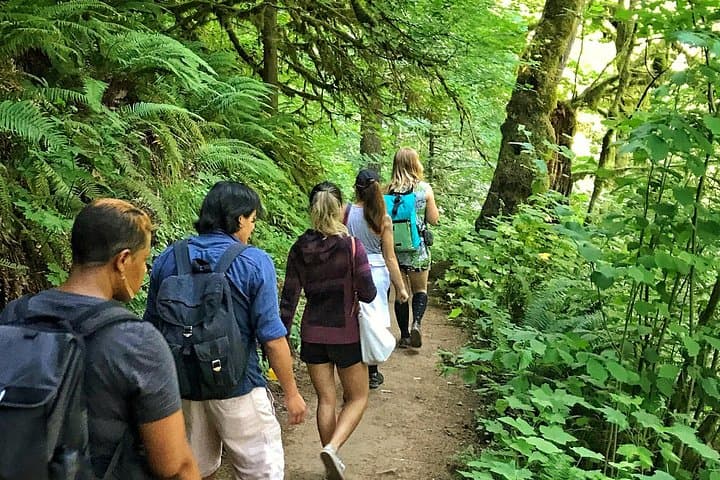
Lose the city for a few hours without leaving it: this 5-mile, 900-foot-gain Forest Park loop threads old-growth pockets, city viewpoints, and cultural landmarks for a compact taste of Portland’s wild side. Expect moss, roots, and stories.