
What the day feels like
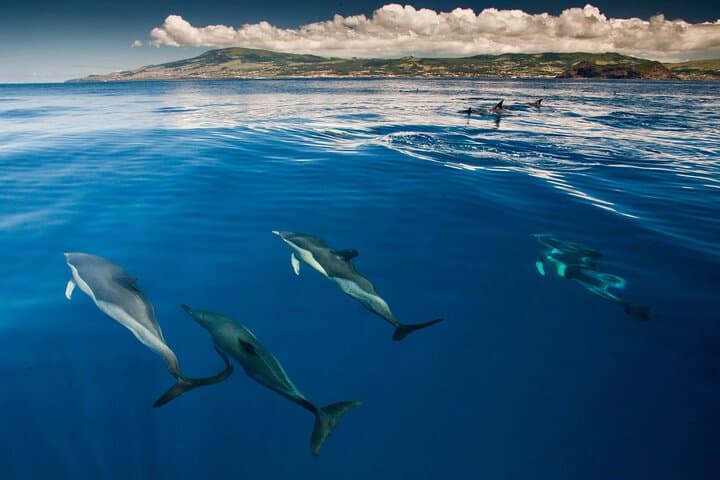
You step off the dock with salt still clinging to your hair and the ocean already talking—low, playful clicks that thread through the boat’s wake. The horizon around Terceira folds into layers of blue: the deep Atlantic, the lighter bay around the island, and the quick flash of dorsal fins cutting that surface. Here, beside Angra do Heroísmo’s volcanic slopes and the black-rock reefs of Biscoitos, the water seems to dare you to know it. It doesn’t beg. It offers. It moves.
This is not a theme-park encounter. The Azores have a long history with the sea—from 15th-century transatlantic pilots navigating by these islands to a working culture of fishermen and, more recently, whale- and dolphin-watching guides who emphasize respect as much as proximity. On Terceira, encounters are governed by rules and local practice: licensed operators monitor behavior, avoid disrupting pods, and put animal welfare ahead of selfies. The result is an experience that feels both intimate and ethically considered.
Geologically, Terceira is an island of contrasts. Volcanic craters and basalt cliffs shape the shoreline, creating pockets of nutrient-rich water where fish congregate and, in turn, where dolphins and other marine mammals forage. The common dolphin and bottlenose—curious, quick, sometimes demonstrative—are regular visitors. On good days you’ll hear the pod long before you see it, a staccato percussion that seems choreographed to the rhythm of your breath.
Your private tour stretches about 3.5 hours and is designed for small groups or solo travelers who want a tailored encounter. Most outings combine a short coastal cruise with snorkeling in protected coves. The guides will brief you on hand signals, safe distances, and what to do when a dolphin approaches on its own terms. You won’t chase them; you’ll swim in clear water and let them choose to join.
Why do this in Terceira? There’s a practical answer and a poetic one. Practically, the Azorean waters are clearer than much of the Atlantic and, in summer, temperate—making snorkeling and extended swim windows feasible. Poetically, there’s something elemental about being near these animals in a landscape still shaped by fire: headlands that look like sleeping giants, the lava-formed pools at Biscoitos, and Angra’s baroque harbor, a UNESCO World Heritage site that reads like a ledger of ocean trade and exploration.
The experience balances wonder with preparation. Expect to don a provided wetsuit in cooler months (or a shorty in summer), attach a mask and snorkel, and spend several minutes in the water awaiting a pod’s curiosity. The guides emphasize no-touch policies, and operators typically avoid splitting groups so animals aren’t overwhelmed. For a private outing, the pace is yours—the operator can linger on a promising patch of sea or move on if the animals are elsewhere.
Practicalities matter here. The tour runs roughly 3–4 hours total and often leaves from a harbor near Angra do Heroísmo or comparable launch points around the island. Book a licensed operator and confirm whether transfers, masks, and wetsuits are included; this particular private option lists a starting price on the booking page and highlights instant confirmation followed by manual logistics coordination.
Timing is part of the ritual: mornings often bring calmer seas and cleaner water, while late afternoon light gives the dorsal fins a cinematic edge. Wind and swell can change the plan—on rough days, operators pivot to snorkeling in protected basalt coves or natural pools that are dramatic in their own right. Either way, the guides’ local knowledge—about current patterns, breeding seasons, and the best onshore exits—makes the difference between a good day and a great one.
For photographers and naturalists, the tips are simple: waterproof housings and wide-angle lenses win; stay low in the water for better angles; and invest in polarized sunglasses for scouting from the boat. But the best frame is often the one you put down: watch how a pod moves like a single organism, how individuals check in by rolling near a snorkeler or flashing a white belly before the group surges again.
After the swim, the island still waits. Walk the cobbled streets of Angra, try alcatra (Terceira’s classic slow-cooked stew) in a harbor-side tasca, or head north to the natural rock pools of Biscoitos for a calmer, land-based dip. Respect the island rhythms—leave no trace, minimize single-use plastics, and follow guide instructions about wildlife interactions. This is an island that has re-tooled much of its tourist economy around marine stewardship; your responsible behavior helps keep it that way.
Swimming with dolphins here is not a one-off thrill but a chapter in a larger story: volcanoes and sailors, conservation and community, animal curiosity and human humility. If you go, prepare, pay attention, and try to move a little like the sea—steady, observant, and open to the sudden, joyful interruption of a pod that decides to say hello.
Trail wisdom
Small choices, better day.
Bring a reef-safe sunscreen
Protect your skin and the marine environment by using mineral-based, reef-safe sunscreen before boarding.
Know your signals
Listen to the pre-swim briefing and learn the hand signals—guides rely on clear, quiet communication in the water.
Wear a snug mask
A good-fitting mask reduces fumbling and keeps your attention on the animals instead of clearing your snorkel.
Stay calm and let them choose
Avoid chasing or splashing; dolphins approach out of curiosity and will leave if disturbed.
Local knowledge
Read the place, not just the route.
Watch for native species including Common dolphins, Bottlenose dolphins.
Keep an eye out for wildlife during the transition between areas and habitats. Respect distance guidelines.
Marine encounters on Terceira are regulated by regional guidelines; choose licensed operators who practice no-touch policies and minimize boat disturbance to pods.
Follow the guide's instructions on size limits, ethical handling, and leave-no-trace practices.
Biscoitos natural lava pools for a post-swim soak. Algar do Carvão volcanic cavity — a dramatic spelunking detour inland
Locally recommended viewpoints and quiet spots known best to local operators.
Angra do Heroísmo, Terceira’s main port, is a UNESCO World Heritage site—its harbor once linked Europe to the Americas and Asia during the Age of Discovery.
Maritime roots and regional tradition shape the waterways and working coasts.
Seasonal guide
Four versions of the same landscape.
Spring
Best forMigratory sightings · Cooler water snorkeling
ChallengesUnpredictable winds · Cooler sea temperatures
Spring brings active marine life and fewer tourists, but expect variable weather and bring a thicker wetsuit.
Summer
Best forWarmer water · Calmer seas · Longer daylight
ChallengesHigher demand · More boat traffic in popular coves
Summer offers the clearest, warmest water for snorkeling and better odds of calm conditions—book early.
Fall
Best forGood visibility · Fewer crowds
ChallengesOccasional storms · Shorter daylight
Fall can be a sweet spot for sightings with mild weather and quieter harbors, though watch forecasts.
Winter
Best forOff-season solitude · Powerful, dramatic seas
ChallengesRough seas · Limited snorkeling windows
Winter is for committed adventurers—boat operators may switch plans for safety, favoring land-based natural pools.
Operator details
What the booking data adds.
Included
- ✓Safety briefing
- ✓Sighting guarantee
- ✓Full equipment
- ✓Public Liability Insurance
- ✓Whale and dolphin spotter
Not included
- —Hotel pickup and drop-off
- —Food and drinks
Good to know
- ✓Not recommended for travelers with spinal injuries
- ✓Not recommended for travelers with poor cardiovascular health
- ✓Not recommended for pregnant travelers
- ✓Public transportation options are available nearby
- ✓Travelers should have at least a moderate level of physical fitness
Pack with intention
What to bring.
Good to know
Common questions.
Licensed operators in the Azores follow strict guidelines to protect animals: no chasing, no feeding, limited swim group sizes, and a strong emphasis on animal-led interactions.
Plan the edges
The details that make the day easier.
Angra do Heroísmo was inscribed as a UNESCO World Heritage site in 1983 for its historical role as an Atlantic port and its well-preserved architecture.
After a swim, head to Angra do Heroísmo’s harbor for fresh seafood and local specialties like alcatra (a slow-cooked beef stew); enjoy a glass of local Azorean wine or a cerveja at a waterfront bar while watching the light over the bay.
- Closest airport
- Lajes (TER). Typical departure: Angra do Heroísmo or nearby harbor. Driving distance: 10–40 minutes from most island towns. Cell service: patchy at sea; bring a small dry bag for essentials. Permits: none for tourists, but only licensed operators may conduct dolphin swims.
Operators in the Azores adhere to strict wildlife interaction rules—avoid feeding or touching dolphins, use reef-safe sunscreen, and dispose of waste onshore to protect sensitive marine habitats.
Explore by topic
Follow the threads.
Keep exploring
Make the story part of the trip.
In four hours you can move from shaded canyon ferns to wind-scoured coastal ridgelines, guided by someone who knows where the light—and the hidden views—live. This private half-day hike on the Monterey Peninsula or Big Sur is compact, curated, and perfect for travelers who want depth without a multiday commitment.
 Related story
Beneath a sky of shifting light, Skaftafell’s ice reads like a map of time. This three-hour guided glacier hike mixes technical instruction with geology and culture: compact, safe, and unforgettable.
 Related story
Lose the city for a few hours without leaving it: this 5-mile, 900-foot-gain Forest Park loop threads old-growth pockets, city viewpoints, and cultural landmarks for a compact taste of Portland’s wild side. Expect moss, roots, and stories.