

What the day feels like
The first time you set foot on Es Trenc the sand reads like a promise—soft, almost talc-like, pale enough to make the turquoise water glow. The wind combs the dunes into low ridges and the sea, like a patient animal, edges forward and pulls back with a steady breath. There’s no boardwalk muttering and no beachfront high-rises; instead, the landscape opens wide: a 9-kilometer line of beach that feels, in moments, like an entire coast reserved just for you.
Walk east from the main parking and you’ll pass pale hummocks threaded with dune grasses, the remains of low concrete bunkers from the 1940s dotting the sand like strange coral. Beyond them, the salt pans—rectangular mirrors of glassy water—glitter, a human-made geometry that’s been here longer than many of Mallorca’s towns. Sailors and salt-workers have shaped these flats since at least the 4th century BC; Phoenicians and Romans once harvested the same crystals that now flavor the local cuisine. The salt lends the place an old, utilitarian beauty that offsets the effortless glamour of the beach.
Es Trenc isn’t just a postcard; it’s an ecosystem. Underwater, Posidonia oceanica meadows cradle tiny fish and filter the sea; above them, shorebirds quarter the flats at dawn; onshore, the dunes are fragile, living formations that shift with every breeze. The result is a place where natural history and human history fold together—where you’ll find yourself alternating between languid sea dips, curious walks through salt mines, and quiet moments watching a boat cut across a flat horizon.
The activities that suit Es Trenc spell two words: gentle exploration. Take a traditional wooden-boat cruise and you’ll get the coastline from a grain‑by‑grain perspective—old-fashioned planking, a local skipper, and stops for swims in coves the road never reaches. On the day tour that includes Es Trenc, guides point out the salt pans and bunkers and stitch those features into the island’s history, so your swim becomes a kind of field trip. If you prefer to be more active on the water, a guided SUP-and-snorkel outing turns the area into a compact playground: stand-up paddling along the shallow shelf gives you access to ribboned seagrass beds, and short snorkel breaks reveal unassuming reef life below.
Practical geology: Es Trenc’s wide, gently sloping shelf is what makes the water so spectacularly shallow and clear—the sand and Posidonia combine to refract light in a way that reads as Caribbean on most photo feeds. That shelf also affects currents and waves: most days the sea is calm, but wind funnels over the plain and can churn the surface in the afternoon, so timing matters.
How to plan it: the beach is accessible by car from Campos or Colònia de Sant Jordi; parking is limited in high season and fills early, so either arrive at dawn for quiet or consider a boat tour that drops you off and brings you back. If you’re booking experiences, three local options fit the place perfectly: a full-day Es Trenc bus-and-beach tour that includes the salt mines and bunkers; a private restored-wooden-boat cruise that visits Es Trenc, Colònia de Sant Jordi and Sa Rápita with onboard refreshments; and a small-group experience that pairs SUP and snorkel with all equipment provided—ideal when you want to avoid logistics and compress the best bits into a half- or full-day adventure.
Timing and tactics: aim to be on the beach before 10 a.m. in summer. Morning light makes the water luminous and the wind is usually kinder. Bring shade: umbrellas are available via some tour operators but can be sparse on the open sand. Wear reef-safe sunscreen—Posidonia is sensitive—and protect your feet from the hottest midday sand. If you’re experimenting with SUP, choose a calm day and consider a guided session; local operators limit small-group sizes so snorkel stops are relaxed and safe.
Etiquette and stewardship matter here. The dunes and salt pans are fragile; follow marked access paths, avoid trampling vegetation, and take any litter with you. The salt ponds are working landscapes and privately held in places; enjoy them with respect. If you visit by boat, ask operators to avoid anchoring on seagrass beds—Posidonia anchors many species and keeps the water clear.
For photographers: dawn and late afternoon deliver the best light, and the flat, reflective salt pans are an underrated subject for minimalist compositions. From the water, low angles with a polarizer deepen the turquoise and cut glare—handheld photos from a paddleboard can be unexpectedly cinematic.
Es Trenc’s draw is simple and honest: a rare beach where silence, sand and sea meet without pretense. Whether you come to paddle, snorkel, study the salt flats, or simply stretch out and listen to the wind, this part of Mallorca rewards slow attention.
Practical snapshot: bring shade, hydrate, book early if you want guided boat or SUP time, and be prepared to treat the dunes with care. In return, Es Trenc offers a costal stretch that feels older than tourism, where salt and sea still set the pace.
Trail wisdom
Small choices, better day.
Arrive early
Parking is limited and the beach fills by mid-morning in summer; early arrival rewards you with calm water and fewer people.
Protect Posidonia
Avoid anchoring or standing on seagrass beds; choose operators that use mooring buoys or stay on sandy bottoms.
Bring shade and water
There’s little natural shade on the beach—pack an umbrella and at least two liters of water per person for a half-day.
Book small-group water tours
Small SUP and snorkel groups (8 people or fewer) give you flexibility and better access to quiet swim spots.
Local knowledge
Read the place, not just the route.
Watch for native species including Audouin’s gulls, coastal fish associated with Posidonia meadows (e.g., wrasse).
Keep an eye out for wildlife during the transition between areas and habitats. Respect distance guidelines.
Posidonia seagrass meadows near Es Trenc are protected; avoid anchoring on seagrass, use marked paths, and follow local guidelines to minimize disturbance.
Follow the guide's instructions on size limits, ethical handling, and leave-no-trace practices.
Walk the lesser-used western stretches toward Sa Rápita for quieter coves. Visit the traditional salt museum displays in local towns to learn about ancient harvesting methods
Locally recommended viewpoints and quiet spots known best to local operators.
The salt pans at Es Trenc have been harvested since at least the 4th century BC, used by Punic and Roman settlers, and remain a working, historic landscape.
Maritime roots and regional tradition shape the waterways and working coasts.
Seasonal guide
Four versions of the same landscape.
Spring
Best forquieter beaches · wildflower-dusted dunes · mild paddleboarding
Challengescooler water temperatures · variable wind
Spring offers cooler air and fewer crowds—good for long beach walks and introductory SUP when the sea is calm, but pack a light wetsuit for snorkels.
Summer
Best forwarm swimming · full boat tours · long daylight hours
Challengescrowds and limited parking · strong midday sun
Peak season guarantees warm water and full service for rentals and tours; arrive early or go by boat to avoid crowded access points.
Fall
Best forclear water · cooler temperatures for hiking · photography
Challengesshorter days · sporadic storms
Autumn can be the sweetest time: fewer people, still-pleasant sea temps, and crisp light for photos—watch for windy afternoons.
Winter
Best forsolitude · birdwatching · seascape photography
Challengescold water · reduced services · wind
Winter is quiet and elemental—ideal for birders and photographers but not for long swims; many operators scale back services.
Pack with intention
What to bring.
Good to know
Common questions.
Yes—the beach itself has free public access, though some parking areas may charge during peak season and private tours have separate fees.
Plan the edges
The details that make the day easier.
The salt pans at Es Trenc have been in use since at least the 4th century BC and were worked by Punic and Roman societies.
Colònia de Sant Jordi’s beachfront restaurants serve fish and shellfish accented with local sea salt—try dishes seasoned with Es Trenc salt and pair with a Mallorcan white or a simple Mediterranean salad.
- Access
- car, seasonal bus or boat. Parking: limited in summer. Best time: morning for calm seas and light. Services: snack bars and operators near main access points; limited in remote stretches.
Avoid trampling dunes, don’t collect Posidonia or shells, choose operators that protect seagrass and use existing paths; even small choices help preserve this fragile coastal system.
Explore by topic
Follow the threads.
Keep exploring
Make the story part of the trip.
In four hours you can move from shaded canyon ferns to wind-scoured coastal ridgelines, guided by someone who knows where the light—and the hidden views—live. This private half-day hike on the Monterey Peninsula or Big Sur is compact, curated, and perfect for travelers who want depth without a multiday commitment.
 Related story
Beneath a sky of shifting light, Skaftafell’s ice reads like a map of time. This three-hour guided glacier hike mixes technical instruction with geology and culture: compact, safe, and unforgettable.
 Related story
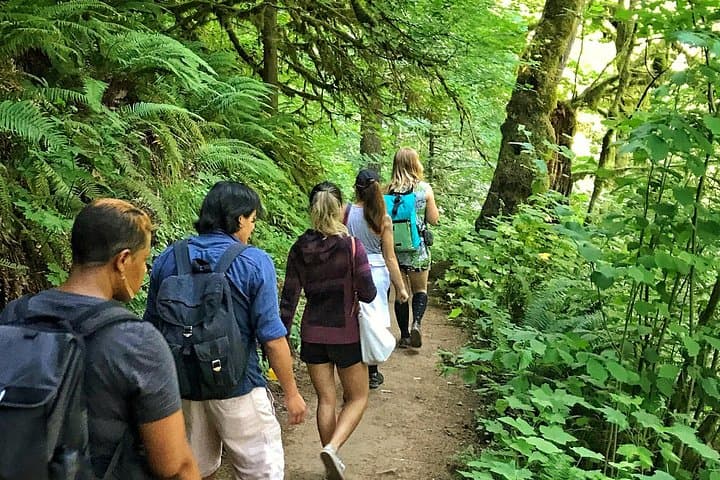
Lose the city for a few hours without leaving it: this 5-mile, 900-foot-gain Forest Park loop threads old-growth pockets, city viewpoints, and cultural landmarks for a compact taste of Portland’s wild side. Expect moss, roots, and stories.