

What the day feels like
The first time you round the last conifered shoulder of the highway and Emerald Bay unfolds beneath you, the word that comes first is precise: blue. Not a flat postcard blue but a layered, glacial blue that deepens to teal where the bay narrows and light presses through clear water. The descent from the rim is a careful, fragrant lowering — pine and granite, cool air that seems to hold its temperature like a promise. At the bottom, the shore feels at once domestic and wild: a tiny Scandinavian mansion hugging the water (Vikingsholm), a single island with a ruinous teahouse, and trails that thread granite and shore like a hand through a sleeve.
Emerald Bay is a place where geology and human stories meet in well-defined layers. The bowl that holds the bay was carved by ice during the last glaciation; the cliffs and plunge pools are written in the language of ice and time. That same amphitheater has shaped human use for centuries — from the Washoe people who moved seasonally across Tahoe’s shores to early 20th-century patrons of the Sierra who built summer houses and trails to access its clearest water. Lora Knight’s Vikingsholm, finished in 1929, is a deliberate cultural flourish: a 38-room, finely detailed home built in a Scandinavian style, its stone foundation and intricate woodwork stepping into the landscape like something that belonged there all along.
The bay’s geometry encourages play on multiple fronts. On land, the Rubicon and Eagle Falls trails give you two very different engagements with the place. The Rubicon is a shoreline walk that rewards patience: roughly 6.5 miles one way between D.L. Bliss and Emerald Bay, it traces pebble beaches, granite slabs, and lookout points where the water is a constant, companion-grade presence. It’s the slow, shore-parsing route for people who want to hike and keep one eye on the water for light, birdlife, or a sudden pull to wade. Eagle Falls is sharper and quicker: an accessible 1.7–2-mile round-trip scramble that drops about 400 feet to a sapphire lake cradled beneath waterfalls. It’s the kind of trail that punctuates the day with sound — the immediate percussion of falling water — and gives you a vantage to consider the larger bowl of the Sierra.
Water turns the place into a different animal. Rentals and guided boat charters converge on the bay’s focal point, Fannette Island, where you can land and trace the ruins of the tiny teahouse Lora Knight built for private afternoons. A paddle is easy to arrange: the crossing to the island is generally a half-mile or less from the main launch at Vikingsholm, and with typical summer winds the paddle is straightforward for anyone comfortable in a stable recreational kayak. Boat charters give you access without the exertion — or permit you to plan your own approach and timing for sunrise or late-afternoon light when the bay's blue becomes nearly liquid glass.
Why go? Emerald Bay condenses many Sierra experiences into a few shoreline miles: accessible hiking, distinct history, crystalline water that begs for a dip, and easy paddling with dramatic granite on the periphery. It’s also compact enough that a short stay can feel complete — an hour in the Vikingsholm gardens and museum, a two-hour paddle to the island, an afternoon on the Rubicon — yet varied enough that you won’t feel like you’ve ticked a box and left a hollow.
Practical edge: timing and logistics matter here. Parking at the main overlooks is limited — come early (before 9 a.m.) in summer or push for late afternoon shoulder times to avoid the crush. The Vikingsholm trail is steep: it’s about 0.7–1 mile down to the shore with roughly 300–400 feet of elevation change, which means the return climb can feel harder than you expect. Hydration and stance matter on the rubbly shoreline; footwear that grips both granite and sand will make the difference between a scenic wander and a careful, slowed shuffle.
Leave-no-trace is not optional in Emerald Bay. The clarity of the water and the vulnerability of shoreline ecosystems means your impact is visible and cumulative. If you’re paddling, be mindful of wakes and keep a respectful distance from wildlife; if you’re hiking, pack out what you bring in and stick to designated trails to protect fragile soils and meadows.
For the photographer and the contemplative alike, light is the currency here. Early mornings often yield still water and soft haze that turns the far headlands into indigo silhouettes; late afternoons bring angled light that chisels the granite and makes the teahouse on Fannette Island pop. If you want solitude, choose a weekday shoulder season. And if you want to feel the place fully, combine a short hike to a viewpoint in the morning with a paddle that afternoon: land and water give you a broader, more tactile intelligence of the bay.
Emerald Bay is an approachable, layered adventure — one that rewards both the person who wants a quiet lakeside walk and the one who wants to spend the day tracing the shoreline by kayak. It’s a compact wilderness with room for history, geology, and a clear invitation to slow your pace and match the lake’s steady, patient rhythm.
Practical snapshot (for planning): expect well-marked trails with mixed terrain — some steep granite steps, pebble beaches, and forested switchbacks. Aim to bring layered clothing (Sierra mornings can be cool even in summer), sturdy trail shoes, and a daypack with water and sunscreen. Rental outfitters in nearby towns handle kayaks and boat charters, and a ranger station or visitor center can confirm current trail and water conditions before you push off or descend.
Trail wisdom
Small choices, better day.
Start early to beat the parking rush
Parking fills by mid-morning in summer; arrive before 9 a.m. or aim for late afternoon to secure a spot and quieter trails.
Wear grippy footwear
Trail sections alternate between granite slabs and pebble beaches; shoes with sticky soles prevent slips on wet rock and sand.
Plan your paddle to Fannette Island around wind
Summer thermal winds pick up in the afternoon; morning paddles are calmer and easier for less experienced kayakers.
Save energy for the return climb
The Vikingsholm trail descends steeply; bring extra water and pace yourself because the return is all uphill.
Local knowledge
Read the place, not just the route.
Watch for native species including bald eagles, mule deer.
Keep an eye out for wildlife during the transition between areas and habitats. Respect distance guidelines.
The bay’s clarity depends on careful shoreline stewardship; stay on trails, pack out waste, and keep a respectful distance from nesting birds and fragile shore vegetation.
Follow the guide's instructions on size limits, ethical handling, and leave-no-trace practices.
Lower Rubicon viewpoints that see fewer visitors midweek. The secluded cove west of Vikingsholm for calm afternoon light
Locally recommended viewpoints and quiet spots known best to local operators.
Vikingsholm was built in 1929 by Lora Knight as a summer home and is considered a premier example of Scandinavian architecture in the U.S.
Maritime roots and regional tradition shape the waterways and working coasts.
Seasonal guide
Four versions of the same landscape.
Spring
Best forwaterfall views at Eagle Falls · early-season wildflowers
Challengesvariable snow on trails · cool mornings
Spring brings high waterfall flows and fresh green contrast against the granite, but higher-elevation trails can still have snow and muddy patches.
Summer
Best forkayaking and swimming · full access to Rubicon Trail
Challengescrowds and limited parking · afternoon winds
Summer offers the warmest water and brightest clarity — ideal for paddles and swims — but expect crowds and stronger afternoon breezes.
Fall
Best forclear skies and solitude · crisp light for photography
Challengescooler water temperatures · shorter daylight hours
Fall delivers stable, clear weather and thinner crowds; water is colder but the light is exceptional for landscape photography.
Winter
Best forsnowshoeing scenic viewpoints · quiet, snowy panoramas
Challengessnow-covered access roads · limited services
Winter transforms the park into a quiet, snow-covered landscape; access may be restricted and conditions can be harsh — come prepared for winter travel.
Pack with intention
What to bring.
Good to know
Common questions.
Yes — the crossing from the Vikingsholm launch is generally under a half-mile and suitable for confident recreational paddlers; check wind conditions and consider a guided option if you’re inexperienced.
Plan the edges
The details that make the day easier.
Vikingsholm is a 38-room mansion built in 1929 by Lora Knight and is considered one of the finest examples of Scandinavian architecture outside Scandinavia.
South Lake Tahoe and Tahoe City serve fresh-caught local trout, hearty mountain fare, and growing craft breweries — good places to refuel after a day on the bay.
- Hours
- day-use access with seasonal hours; Fees: state park day-use
- parking fees may apply; Access
- paved overlooks with trailheads — expect steep trail sections and limited parking; Rentals: kayak and boat rentals are available in nearby towns.
Minimize shoreline impact by staying on trails, packing out waste, using established launch points for boats and kayaks, and avoiding close approaches to nesting birds and fragile shorelines.
Explore by topic
Follow the threads.
Keep exploring
Make the story part of the trip.
In four hours you can move from shaded canyon ferns to wind-scoured coastal ridgelines, guided by someone who knows where the light—and the hidden views—live. This private half-day hike on the Monterey Peninsula or Big Sur is compact, curated, and perfect for travelers who want depth without a multiday commitment.
 Related story
Beneath a sky of shifting light, Skaftafell’s ice reads like a map of time. This three-hour guided glacier hike mixes technical instruction with geology and culture: compact, safe, and unforgettable.
 Related story
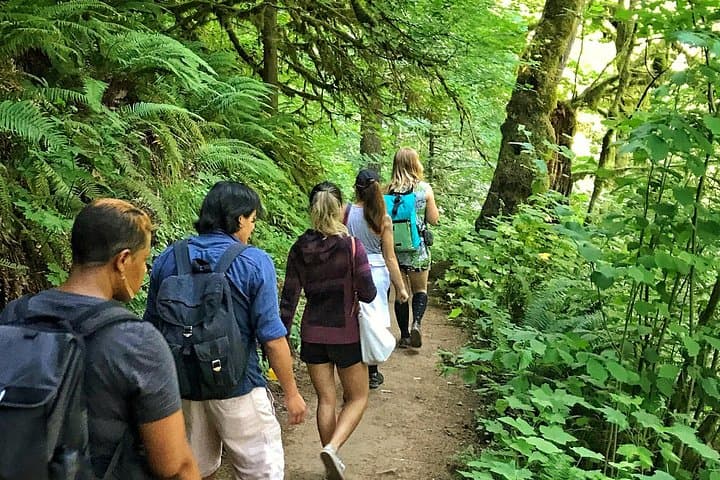
Lose the city for a few hours without leaving it: this 5-mile, 900-foot-gain Forest Park loop threads old-growth pockets, city viewpoints, and cultural landmarks for a compact taste of Portland’s wild side. Expect moss, roots, and stories.