

What the day feels like
When the lake is still at first light, Emerald Bay looks invented — a scalloped inlet of such clean, Mediterranean green that it feels like a design decision rather than the slow work of ice and time. You come around a bend in the West Shore and the world opens: sheer granite cliffs sit like watchful sentinels, a small stone tea house perches on the only island in Lake Tahoe, and the low-slung silhouette of Vikingsholm reads at first like a Scandinavian fairytale stitched into the Sierra. That is Emerald Bay State Park: an alpine room with a grand view and a thousand ways to press your face to the window.
The bay’s drama is geological and human-made at once. Lake Tahoe is a bowl cut from glaciers — a basin gouged during the last ice age and fed by snowmelt that still tastes like mountain. Emerald Bay’s steep cliffs were carved by ice and then softened by forests of Jeffrey pine and fir; the result is a narrow, deep bay where the water is lighter and greener than the main lake, fed by the thundering ribbon of Eagle Falls. On the shore sits Vikingsholm, a 38-room summer house completed in 1929 by Lora J. Knight in a Scandinavian-influenced style. Across from it, on tiny Fannette Island, sits a circular stone tea house, an architectural punctuation mark that begs for a slow photograph.
For travelers, the bay offers a compact menu of experiences that pair perfectly with the place: private boat charters that push you along glassy water into coves you can’t see from the road; short, steep hikes that give you the panorama in exchange for a few concentrated minutes of climbing; helicopter rides that turn the whole basin into a diorama; and guided photography excursions that are frankly the next best thing to having a local eye perched on your shoulder.
Boat tours are the most practical way to experience the bay. Options run from 90-minute shoreline cruises to full-day private charters on yacht-class boats or double-decker pontoons. On a 2- to 4-hour private charter you'll thread through the mouth of the bay, circle Fannette Island, and pull close to Vikingsholm to read the stonework and the mossy roofline. Captains know the best spots to anchor for a swim (water temperatures remain bracing even in midsummer) or to drift beneath the cliffs and listen to echoes. On pontoons you can sip coffee on a sun pad and stand at a second-story railing to peer into glassy shallows; on faster boats you can slice across open water and time your return for golden-hour alpenglow.
If you prefer your terrain underfoot, Eagle Falls and the network of short trails around the bay are deceptively rewarding. A common local route is the paved walk through the campground followed by a dirt spur to an overlook; the hike to Eagle Lake is roughly 1.5–2 miles roundtrip with a few hundred feet of gain, delivering a compact taste of the Sierra without committing to a full-day outing. For a longer vantage, climb toward Rubicon Point or the west-shore ridges — the trade is more effort for an unbroken view of the entire Tahoe bowl.
For a different angle, there’s the helicopter tour: ten minutes in the air rearranges priorities. Fallen Leaf Lake, Cascade Lake, Pope Beach and the chain of peaks that cradle Tahoe come into focus, and Emerald Bay looks like a carved jewel. Note the practicalities: aircraft weight limits are strict; operators will ask for accurate passenger weights at booking and may deny boarding if limits are exceeded.
Culturally, the bay stitches together Washoe tribal presence, early 20th-century philanthropy, and Hollywood lore. The bay’s name comes from that unusual green water, but its history includes everything from the original native seasonal uses of the shoreline to development in the 1920s that gave us Vikingsholm and the tea house. Today the site is heavily visited; parking is limited and the state park manages access to protect shoreline habitats.
Practicalities matter here. If you want solitude or the clearest light for photos, aim for sunrise or late afternoon; midday crowds cluster around the Vikingsholm trailhead and the main parking lot. Boat tours offer a practical workaround to limited parking: leave the car and arrive by water. Bring layers — the lake’s surface can feel ten degrees cooler than shore air — and footwear that can handle gravel and slick steps if you intend to climb down to the Vikingsholm shore. Water is cold; even in August, swims are invigorating, not languid.
For photographers the place is forgiving and exacting at once. A polarizer deepens the water’s color and reduces glare; wide lenses capture the sweep of the bay while a short telephoto isolates details on the tea house or the masonry of Vikingsholm. Respect restricted areas and the fragile littoral zone: stay on marked trails and walk only where allowed.
Emerald Bay is compact enough that planning tips pay immediate dividends. Book popular boat charters in advance — you’ll find private 2-hour tours, pontoons with stand-up paddleboards and full-day yacht charters on the market — and check winter schedules: some classic wooden-boat cruises pause for the season. If you want a mix of perspectives, pair a morning hike to an overlook with an afternoon boat cruise to descend the basin by water. And whatever you choose, leave the day with a renewed sense that certain landscapes reward slow attention: the light moves quickly here, but the rocks remain patient.
Trail wisdom
Small choices, better day.
Arrive early or go by boat
Parking at Emerald Bay is limited — to avoid a long walk or full lots, arrive at first light or book a boat charter from Tahoe Keys Marina.
Dress in layers and bring a wind layer
Sun can be strong but wind off the lake chills quickly; a light shell and warm mid-layer make the difference for morning and evening cruises.
Use a polarizing filter
A polarizer reduces surface glare and brings out the lake’s emerald tones — especially useful from a boat or the shore.
Respect fragile shoreline habitats
Anchor only in designated locations, avoid stepping on native aquatic vegetation, and pack out all trash to protect water clarity.
Local knowledge
Read the place, not just the route.
Watch for native species including mule deer, peregrine falcon.
Keep an eye out for wildlife during the transition between areas and habitats. Respect distance guidelines.
Emerald Bay’s popularity stresses parking, shoreline habitat and water clarity; follow Leave No Trace, use certified charter operators and avoid anchoring where vegetation is present.
Follow the guide's instructions on size limits, ethical handling, and leave-no-trace practices.
Rubicon Point for a quieter panoramic viewpoint. Early-morning Eagle Falls overlook for waterfall photos before crowds
Locally recommended viewpoints and quiet spots known best to local operators.
Vikingsholm was completed in 1929 as a summer home commissioned by Lora J. Knight and is an important example of Scandinavian-influenced architecture in the Sierra; Fannette Island’s stone tea house dates from the same era.
Maritime roots and regional tradition shape the waterways and working coasts.
Seasonal guide
Four versions of the same landscape.
Spring
Best forwaterfall flow · wildflower bursts · fewer crowds
Challengesvariable snow melt on trails · cold water temperatures
Spring brings swollen Eagle Falls, green slopes, and fewer visitors, but late snow can close higher trails and keep swims bracingly cold.
Summer
Best forboat charters · swimming and paddleboarding · Vikingsholm tours
Challengescrowded parking and trails · sun exposure
Mid-summer is peak season for boat tours and alpine sun; book charters early and bring sun protection for long days on open water.
Fall
Best foralpenglow photography · crisp air and color · short hikes
Challengesshorter daylight hours · cooler lake temperatures
Fall offers sharp light and quieter trails; cooler mornings and colder water reward warmer layers and careful timing for sunset shots.
Winter
Best forsnow-shrouded scenery · aurora-like alpenglow · quiet vistas
Challengesroad closures and reduced boat service · snow and ice on trails
Winter turns the bay into a white, quiet scene; many tours pause for the season and you’ll need traction for icy paths.
Pack with intention
What to bring.
Good to know
Common questions.
Lake Tahoe is one of the deepest lakes in North America; near Emerald Bay the water is extremely clear and deep, with the lake’s maximum depth reaching over 1,600 feet overall.
Plan the edges
The details that make the day easier.
Vikingsholm was completed in 1929 by Lora J. Knight and is widely recognized as a significant example of Scandinavian-style architecture in the United States.
Lake Tahoe’s west shore blends Sierra outdoor culture with small-town hospitality — expect local cafes serving hearty breakfasts, craft breweries in nearby towns, and ranger-led programs in the state park; respect tribal heritage sites and seasonal closures.
- Getting there
- drive West Shore Hwy (CA-89); parking limited — consider boat charters from Tahoe Keys Marina. Permits: Vikingsholm tours and some events require reservations. Accessibility: viewpoints reachable via short paved sections; beaches have steep steps.
Choose certified boat operators, avoid single-use plastics, respect anchoring and no-wake zones to protect fragile shoreline vegetation, and follow Leave No Trace principles to preserve water clarity.
Explore by topic
Follow the threads.
Keep exploring
Make the story part of the trip.
In four hours you can move from shaded canyon ferns to wind-scoured coastal ridgelines, guided by someone who knows where the light—and the hidden views—live. This private half-day hike on the Monterey Peninsula or Big Sur is compact, curated, and perfect for travelers who want depth without a multiday commitment.
 Related story
Beneath a sky of shifting light, Skaftafell’s ice reads like a map of time. This three-hour guided glacier hike mixes technical instruction with geology and culture: compact, safe, and unforgettable.
 Related story
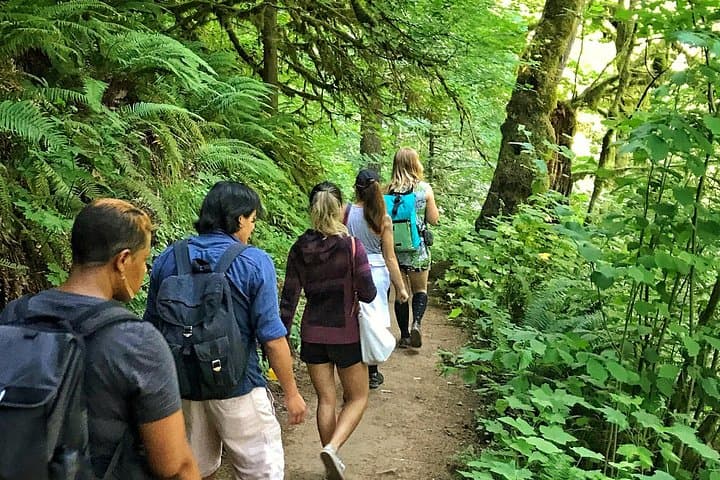
Lose the city for a few hours without leaving it: this 5-mile, 900-foot-gain Forest Park loop threads old-growth pockets, city viewpoints, and cultural landmarks for a compact taste of Portland’s wild side. Expect moss, roots, and stories.