

What the day feels like
The trail drops away beneath your boots and the world rearranges itself—pine trunks crowding in, granite blushing orange where the sun finds it, and then, as if a curtain is pulled back, Emerald Bay opens: an improbably blue bowl cut into the western shore of Lake Tahoe. It’s a sight that steadies your breath and quickens your pace. You descend switchbacks toward Vikingsholm, the 1929 Scandinavian-style stone mansion sitting like an old sentinel against the water, and the lake—cold, glinting, and vast—seems to dare you to come closer.
Emerald Bay is all about edges: the edge of forest and water, of history and wilderness, of leisurely boat afternoons and sharply focused hikes. The most visceral way to know it is on foot and by water. Hike the steep Vikingsholm Trail—roughly a mile each way with about 500 feet of elevation change—to tour the remarkable stone house and its handcrafted details, then continue along the Rubicon Shoreline for long views and pocket beaches. Paddle or take a short boat ride to Fannette Island, the tiny outcrop crowned by a stone tea-house that stands like a punctuation mark in the bay. Combine those activities and you have a day that hits history, geology, and pure alpine lake play.
Geology here reads like a textbook written in granite and ice. Lake Tahoe occupies a fault-bounded basin carved and deepened by Pleistocene glaciers; the steep granite slopes that plunge into the water are the fingerprints of glacial scour. The pines and cedars that frame the trails are survivors of a Mediterranean mountain climate—dry summers and snowy winters—that shapes everything from trail conditions to the species of wildflowers you’ll see at the margins.
Culturally, Emerald Bay holds layers. Long before Vikingsholm, Washo people lived along Tahoe’s shores, using the lake seasonally for fish and travel. The name Vikingsholm only arrived with 20th-century wealth and one remarkable woman, Lora Josephine Knight, who built the lakeside house in 1929 as a summer home inspired by Scandinavian architecture. Today the house is a vivid reminder of how styles, resources, and human ambition have mixed with Tahoe’s raw landscape.
If you’re planning a visit, practical choices shape the day: start early for parking and light, bring shoes that can handle granite slabs and rooty singletrack, and consider a combo of hiking and paddling for the most complete experience. Recommended outings cluster into reliable options:
- Vikingsholm Trail: A steep, well-maintained trail of roughly 1 mile each way with about 500 feet of elevation change; expect packed dirt, rock steps and switchbacks. The descent is harder on the knees on the return, so trekking poles are useful.
- Rubicon Shoreline Trail: Walkable coastal trail with variable length depending on how far you go—short outings of 2–4 miles or longer stretches toward DL Bliss State Park if you’re feeling ambitious. The trail alternates granite outcrops, shaded groves, and small beaches.
- Eagle Falls to Eagle Lake: A shorter option close by—about 2 miles roundtrip with roughly 500 feet of gain—this route delivers a classic mountain-lake payoff and powerful waterfall views.
- Boat or kayak to Fannette Island: The only island in Lake Tahoe, with a small stone tea-house; bring a dry bag and allow time to explore the tiny shoreline.
Practical packing and pacing decisions matter. Water depth drops suddenly off the beaches; the lake is astonishingly cold even in summer, and currents can surprise swimmers. If camping, note that Emerald Bay Campground runs seasonally and fills up fast—book in advance. Cell service is spotty, which is part of the point, but also reason to carry a physical map or download offline directions.
Timing is everything. Morning light through the pines gives you softer photos and cooler hiking; late afternoon sends the granite and lake into warmer tones but also can bring more visitors. For solitude, aim for shoulder-season weekdays in late spring or early fall.
Safety and etiquette are straightforward but crucial: pack out what you pack in, keep a respectful distance from wildlife (black bears and deer are present), and stick to designated trails to protect fragile soil and root systems. If you bring a kayak, be mindful of boat traffic near the public launch and remember that wind can push you quickly away from the shoreline.
Emerald Bay rewards layered attention. There’s the immediate sensory pleasure—the crunch of pine duff, the slap of lake water against rock, the cool scent of resin—and then there’s the slower accumulation of details: the mason’s seam on Vikingsholm, the pale bands of glaciated granite, the list of bird species that ride the thermals above the bay. For travelers who like to mix a disciplined itinerary with room for small discoveries—an unexpected beach, an isolated viewpoint, a close-up of a peregrine falcon—Emerald Bay delivers.
For a day that feels complete: hike Vikingsholm early, tour the historic mansion, lunch on the shore, paddle to Fannette Island, then finish with a late-afternoon stroll on the Rubicon trail. That sequence gives a bit of everything—history, shoreline hiking, and the intimate perspective of being on the water.
In short: Emerald Bay is a compressed Tahoe experience—wild and domestic in equal measure. It asks you to move through different modes—on foot, on water, standing still to look—and rewards the traveler who comes prepared to engage with the landscape simply and directly.
Trail wisdom
Small choices, better day.
Start early for parking and light
Parking at Emerald Bay fills quickly—arrive before 9 AM on summer weekends and enjoy softer morning light for photos.
Bring traction-ready footwear
Trails include granite slabs and steep switchbacks; shoes with good grip and ankle support help on both descents and returns.
Combine hiking with a paddle
Paddling to Fannette Island or using a short boat shuttle extends the experience and gives a unique bay perspective.
Protect your knees on the return
The Vikingsholm ascent is steep—trekking poles and controlled pacing reduce impact on the knees.
Local knowledge
Read the place, not just the route.
Watch for native species including Black bear, Bald eagle.
Keep an eye out for wildlife during the transition between areas and habitats. Respect distance guidelines.
Emerald Bay’s trails and shoreline are prone to erosion from heavy foot traffic; staying on designated trails and using established launch points for watercraft helps protect fragile habitats.
Follow the guide's instructions on size limits, ethical handling, and leave-no-trace practices.
Small sandy coves along the Rubicon Trail where afternoon light pools. The overlook above Emerald Bay for sunrise without the crowds
Locally recommended viewpoints and quiet spots known best to local operators.
Vikingsholm was built in 1929 by Lora Josephine Knight as an homage to Scandinavian architecture and is one of the finest examples of that style in the western U.S.
Maritime roots and regional tradition shape the waterways and working coasts.
Seasonal guide
Four versions of the same landscape.
Spring
Best forWildflowers · Cooler hikes · Waterfall vigor
ChallengesSnow patches at higher elevation · Unpredictable trail mud
Spring brings runoff and roaring waterfalls; trails can be muddy and patches of snow may linger into May at higher elevations.
Summer
Best forKayaking and swimming · Long shoreline hikes · Historic tours
ChallengesCrowds and packed parking · Hot midday sun
Summer is prime for water activities and full access to Vikingsholm tours, but expect crowds—early starts help avoid the busiest windows.
Fall
Best forClear light for photography · Cooler hiking · Fewer visitors
ChallengesShorter daylight hours · First snows possible late season
Fall offers crisp air and quieter trails—perfect for photographers and hikers seeking a more peaceful visit.
Winter
Best forSnowshoeing views · Quiet landscapes · Low visitation
ChallengesSnow-covered trails and closed facilities · Limited vehicle access
Winter transforms Emerald Bay into a snowy tableau; access can be limited and routes may require snowshoes or skis.
Pack with intention
What to bring.
Good to know
Common questions.
Yes, but the water is cold year-round; swimmers should be cautious of sudden depth change and cold-water risks.
Plan the edges
The details that make the day easier.
Vikingsholm was completed in 1929 and built by Lora Josephine Knight; the house is considered one of the finest examples of Scandinavian architecture in the United States.
South Lake Tahoe blends Sierra alpine culture with a lakeside resort vibe—local cafes serve hearty sandwiches and coffee for hikers, while nearby farmers markets and summer events showcase regional produce and craft goods.
- Parking
- limited and seasonal; Restrooms: available at the main parking areas; Accessibility: paved viewpoints are accessible but main trails include steep sections; Reservations: camping and some tours require advance booking.
Pack it in, pack it out—use established trails and boat launches to minimize shoreline erosion, and consider carpooling or shuttle services to reduce congestion and emissions.
Explore by topic
Follow the threads.
Keep exploring
Make the story part of the trip.
In four hours you can move from shaded canyon ferns to wind-scoured coastal ridgelines, guided by someone who knows where the light—and the hidden views—live. This private half-day hike on the Monterey Peninsula or Big Sur is compact, curated, and perfect for travelers who want depth without a multiday commitment.
 Related story
Beneath a sky of shifting light, Skaftafell’s ice reads like a map of time. This three-hour guided glacier hike mixes technical instruction with geology and culture: compact, safe, and unforgettable.
 Related story
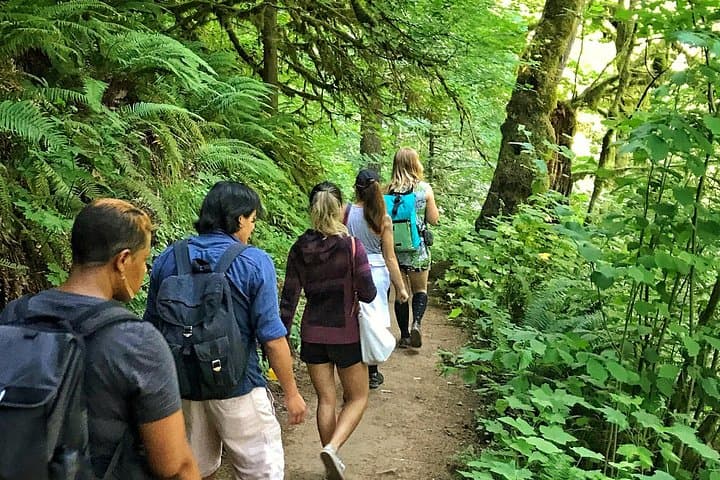
Lose the city for a few hours without leaving it: this 5-mile, 900-foot-gain Forest Park loop threads old-growth pockets, city viewpoints, and cultural landmarks for a compact taste of Portland’s wild side. Expect moss, roots, and stories.