
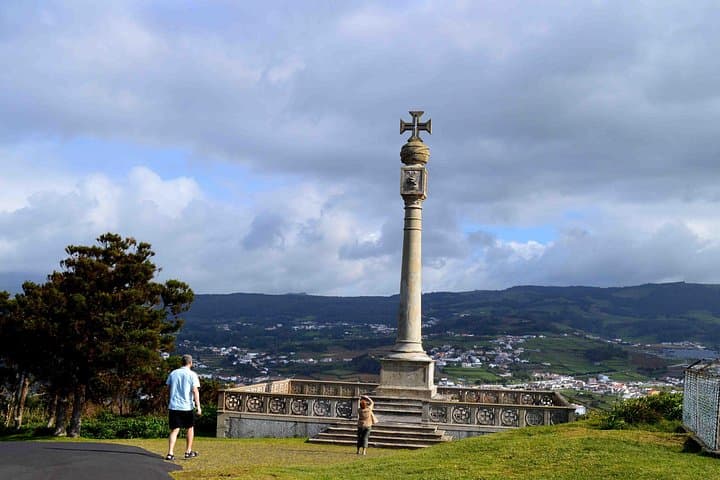
What the day feels like
You arrive to Terceira with salt in your hair before you step off the ferry: a briny memory of the Atlantic that clings to shirts and luggage, and a light that makes the island’s volcanic cliffs look newly minted. The full-day highlights tour opens like a local map folded and refolded—each stop a deliberate crease revealing something unexpected: a green crater rim, a chapel painted with festival colors, a tidal pool that dares you into cool Atlantic water. Over eight purposeful hours you’ll move across the island’s skin—through basalt-stitched coastline, into the shadowed throat of a volcano, and into the communal warmth of a meal built from an old Terceiran recipe.
The first hour sets the tone: a coastal drive from Praia da Vitória, windows down, the island revealing itself in stages. Terceira’s story is a geological one. Volcanic cones and fissures sculpted the island’s topography; Algar do Carvão, the volcanic chimney you’ll visit, is a raw vertical reminder of that process—an interior chamber where basalt strata and mineral pools sit like geological thinking. That same volcanic energy spat lava that cooled into jagged bathing terraces—black, sculpted outcrops where locals and visitors slip into Atlantic pools formed by heat and sea.
But the island isn’t just rock. Terceira is stitched with human rituals. The impérios—tiny, ornate chapels devoted to the Holy Spirit—dot parishes in exuberant colors. They are both civic and spiritual markers: meeting places for the island’s centuries-old festas that distribute bread, wine, and communal care. You’ll also be introduced to alcatra, Terceira’s slow-cooked beef braise, an umami-rich, heritage dish that tastes of the island’s agricultural past and its Portuguese roots.
Why take a guided highlights tour here rather than exploring solo? Terceira’s best moments are often discreet—set back from the road, accessible through a narrow lane or a stone stair. A guide does more than point; they open doors to places where geology and tradition overlap, explain how a lava tube becomes a freshwater basin, and where the best spring-fed rinse is after a salty swim. This tour condenses the island into a day: coastal viewpoints, a visit below into a volcanic cavity, a swim in volcanic-rock bathing areas, and a cultural primer complete with regional food.
Practicalities matter when a day is tight. The trip runs roughly eight hours (the operator lists a fixed duration of 480 minutes), and typically departs from Praia da Vitória—convenient if you’re flying into Lajes/Terceira Airport or staying in town. Group size varies; the tour has strong reviews (over 200 reviews averaging near 4.6), which means the logistics are generally smooth: timely transport, set entry points, and a local rhythm to the stops. Price listed from USD 95.97 is a reasonable all-in for transport, guided stops, and local context—meals may or may not be included depending on operator options, so plan to budget for a sit-down alcatra if it’s not provided.
The walking is moderate: expect short, sometimes steep stairways (especially at Algar do Carvão) and slick volcanic rock near the coast. Good shoes and a deliberate pace keep the day enjoyable. For the swimming sections, pack a swimsuit and a towel in a daypack; the ocean here is refreshing and often brisk, but the volcanic pools are restful and sheltered from bigger swells.
Seasonality is straightforward: summer brings the warmest water and longest daylight, while spring and fall offer fewer crowds and vivid greens. Winter is quieter and more atmospheric—surf is high, and some coastal stops may be skipped on rough days. Check the operator’s cancellation policy (this one lists free cancellation options) and confirm pick-up times—Terceira weather can shift quickly and timing matters when you only have one day.
Sustainability threads through Terceira’s tourism. The island is small; its ecosystems—wind-tossed pastures, laurel remnants, tidal pools—are sensitive to heavy foot traffic. Respect signage, avoid stepping on fragile lichens and mosses on volcanic outcrops, and carry out what you carry in. The impérios are active religious sites—photograph with respect and follow any requests from locals.
For travelers who want specifics: bring layered clothing (coastal winds can require a windbreaker), sturdy trail shoes that can handle stairs and wet rock, a swimsuit and quick-dry towel, and a daypack with water and sunscreen. If you’re a photographer, plan for wide-angle shoreline shots and slower exposures in the crater’s dim interior—tripod or steadying strap recommended but expect narrow stairs and modest space.
By late afternoon, when the tour winds back toward Praia da Vitória or Angra do Heroísmo, you’ll have a tidy mental map of Terceira: an island that’s compact but generous, where geology meets ritual and where a single regional dish can tell a story of climate, soil, and community. It’s not a single summit to conquer; it’s a series of small revelations—each one tangible enough to take home, and just small enough to make you want to come back.
Trail wisdom
Small choices, better day.
Bring non-slip shoes
Volcanic rock and coastal slabs can be slick—trail shoes with good tread keep you steady for stairs and shoreline excursions.
Swap into swimwear on the go
Carry a quick-dry towel and swimsuit in your daypack—short swims in protected volcanic pools are common stops.
Pace the crater visit
Algar do Carvão has steep stairs and low light—take your time descending and bring a small headlamp if you’re prone to uneasy footing.
Try alcatra respectfully
If the tour includes an alcatra lunch, savor it—it’s slow-cooked and often communal; tell your guide about dietary needs in advance.
Local knowledge
Read the place, not just the route.
Watch for native species including Common bottlenose dolphins (occasional sightings offshore), Seabirds such as shearwaters and terns along the coast.
Keep an eye out for wildlife during the transition between areas and habitats. Respect distance guidelines.
Terceira’s coastal pools and pasturelands are sensitive—stay on marked paths, avoid removing rocks or marine life, and pack out trash to protect fragile habitats.
Follow the guide's instructions on size limits, ethical handling, and leave-no-trace practices.
Small impérios in inland parishes—check local routes for colorfully painted chapels. Secluded tidal pools west of Praia da Vitória that require short walks from parking
Locally recommended viewpoints and quiet spots known best to local operators.
Angra do Heroísmo—nearby—was designated a UNESCO World Heritage site for its maritime and urban history linked to the Age of Discoveries.
Maritime roots and regional tradition shape the waterways and working coasts.
Seasonal guide
Four versions of the same landscape.
Spring
Best forWildflower viewing · Cool-weather hikes
ChallengesUnpredictable rain · Chilly mornings
Spring brings vivid greens and fewer crowds; pack a lightweight rain layer and expect brisk mornings.
Summer
Best forSwimming in tidal pools · Long daylight sightseeing
ChallengesHigher visitor numbers · Stronger sun exposure
Summer offers the warmest water and easiest conditions for coastal swims—arrive early to avoid crowds.
Fall
Best forPhotography in soft light · Local festivals
ChallengesOccasional storms · Shorter days
Fall can be ideal for mellow light and cultural events; bring waterproofs for occasional Atlantic weather.
Winter
Best forStorm-watching · Quieter island experience
ChallengesRough seas · Some coastal stops may close
Winter is off-peak and atmospheric—expect stronger surf and possible itinerary changes for safety.
Operator details
What the booking data adds.
Included
- ✓Hotel em Angra do Heroísmo e Praia da Vitória /ponto de encontro no porto da P.Vitoria
- ✓Local guide/driver
- ✓Lunch
- ✓Stop at the algar do carvão
Not included
- —Ticket to visit algar do carvão
Good to know
- ✓Infants and small children can ride in a pram or stroller
- ✓Specialized infant seats are available
- ✓Suitable for all physical fitness levels
- ✓Children must be accompanied by an adult
- ✓Please advise any specific dietary requirements at time of booking
- ✓Vegetarian option is available, please advise at time of booking if required
- ✓May be operated by a multi-lingual guide
Pack with intention
What to bring.
Good to know
Common questions.
The tour is listed at approximately eight hours (480 minutes), covering multiple coastal viewpoints, a volcanic interior visit, and cultural stops.
Plan the edges
The details that make the day easier.
Angra do Heroísmo on Terceira was designated a UNESCO World Heritage Site in 1983 for its historic role as a trans-Atlantic port during the Age of Discovery.
After a day of rock and ritual, head to Angra do Heroísmo for a plate of alcatra, local cheese, and a glass of Vinho Verde or a regional beer; stroll the promenade, and if timing aligns, catch a Holy Spirit procession for music and community food-sharing.
- Closest airport
- Lajes
- Terceira Airport (TER) ≈10-minute drive to Praia da Vitória; Driving distance between Praia da Vitória and Angra do Heroísmo ≈20–30 minutes; Cell service
- reliable in towns, patchy in some coastal spots; Permits: none required for standard tours
Terceira’s coastal pools and volcanic features are delicate—stick to trails, avoid collecting natural souvenirs, and pack out all waste to preserve habitats for seabirds and marine life.
Explore by topic
Follow the threads.
Keep exploring
Make the story part of the trip.
In four hours you can move from shaded canyon ferns to wind-scoured coastal ridgelines, guided by someone who knows where the light—and the hidden views—live. This private half-day hike on the Monterey Peninsula or Big Sur is compact, curated, and perfect for travelers who want depth without a multiday commitment.
 Related story
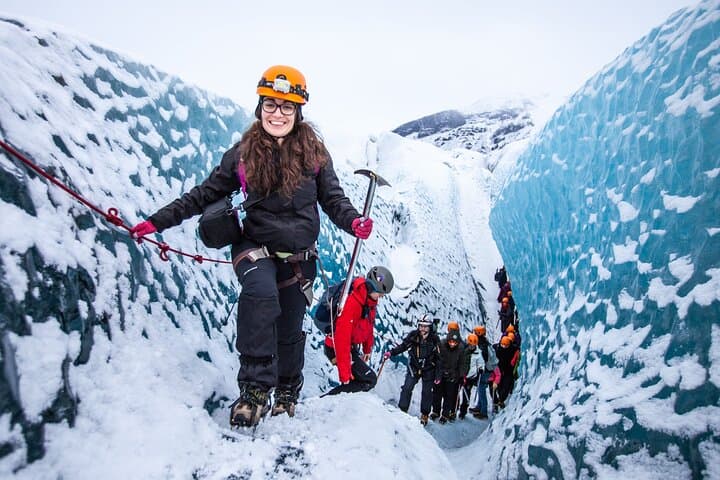
Beneath a sky of shifting light, Skaftafell’s ice reads like a map of time. This three-hour guided glacier hike mixes technical instruction with geology and culture: compact, safe, and unforgettable.
 Related story
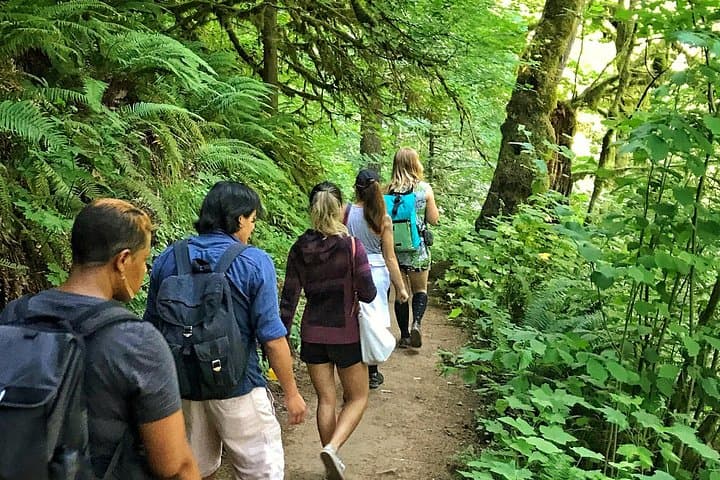
Lose the city for a few hours without leaving it: this 5-mile, 900-foot-gain Forest Park loop threads old-growth pockets, city viewpoints, and cultural landmarks for a compact taste of Portland’s wild side. Expect moss, roots, and stories.