
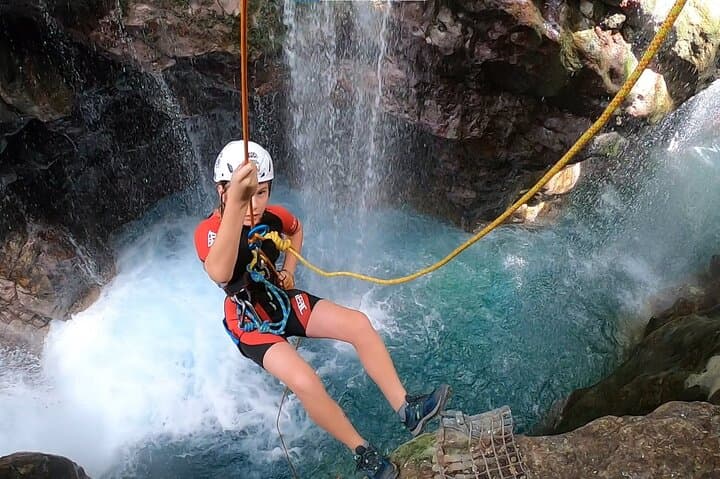
What the day feels like
You step off the rock and the gorge takes the rest. Cold water clamps the knees, gravel scrapes the soles, and the canyon exhales—a tunnel of limestone that narrows to a throat where sunlight slants in and the waterfall drums a steady rhythm. Guides call this the rinse-and-repeat moment: an engineered collision of fear and glee where you can try an adrenaline jump as many times as you like, then clamber up the slick ledge and do it again. This is canyoning at Kourtaliotiko Gorge, and it won’t feel contrived or Instagram-ready; it will feel elemental.
Kourtaliotiko sits on Crete’s southern flank, a cleft carved by time and water from the slopes of the White Mountains down to the Libyan Sea. The gorge’s limestone walls are polished with ancient runoff; stalactites hang in tiny twilight caves; and the river, rarely wide, is insistent. Guides who run <a href="https://app.advcollective.com/local-experts/canyoning-kourtaliotiko-gorge-rappels-water-jumps-fairy-cave-crete">this canyoning route</a> pair rope work with constant safety checks: harnesses, retrievable lines, and local experience that reads rock faces like a book. They’ll show you where to rappel, which ledge to use for a safe water entry, and how to move through narrow slots where the canyon dares you to wedge through.
Geology here is a slow, precise sculptor. Limestone and dolomite, laid down when Crete was beneath warm seas, have been uplifted and chewed by winter torrents. Over millennia, water hollowed vertical gullies and left chimneyed walls that funnel wind and amplify sound. Locals say the name Kourtaliotiko borrows from the noise—kourtala—an echoing clap that bounces between the cliffs when wind or water moves just so. That echo is part of the gorge’s personality: it claps back at you when you shout, follows you through the cave passages, and makes small triumphs feel theatrical.
Culturally, the south coast of Crete has been a junction of shepherding, maritime trade, and seasonal migration. Villages like Plakias and nearby Koxare long relied on the gorge as a water source and a natural corridor to the sea. If you’re lucky, a guide will tell stories about shepherds’ paths, WWII history along the southern shores, and the small caves where people once sheltered or worshipped.
What makes a day here practical as well as unforgettable is the mix of skill and access. The trip runs roughly 3.5 hours (about 210 minutes), and it’s built for people who want technical exposure without committing to full-day alpine expeditions. You’ll rappel short vertical walls, scramble through boulder gardens, and time your jumps into plunge pools—each move taught and supervised. For those who love big-picture views, there are switchbacks above the ravine that chart the gorge’s topography and a short hike to the so-called “fairy cave,” a tight, low chamber where dripstone formations glow with mineral sheen. If you’re there when the light hits just right, you might spot a small cavern tucked behind stalactites—locals call it the fairy cave and it’s part of the route’s lore.
Safety and preparation are not theater. The water is cold in spring, footwear needs thick soles and toe protection, and slick rock can be unforgiving. Guides supply technical kit and brief every group in rope commands and mutual safety checks. Expect repeated instruction and patient coaching: canyoning is mostly learning how to read the water and the rock.
For planning: most people base themselves in Plakias or nearby Agia Galini and drive 20–45 minutes to the meeting point depending on exact location. The nearest larger hubs are Rethymno and Chania; seasonal ferries and regular flights make Crete accessible year-round. The best windows are spring and fall, when river flows are substantial but weather is moderate. Summer dries has lower flows and higher air temperatures, which can make splash landings shockingly refreshing but also reduce some water features.
Practical tips: arrive hydrated, with a short hike on uneven ground before you start. Wear layers that can get wet and a snug, well-fitting pair of neoprene booties or canyon shoes. Bring a small waterproof bag for a phone if you intend to shoot photos—guides will often carry a dedicated camera for action shots.
This kind of adventure is best done with locals. A trusted operator will not only navigate the ropes and currents but will thread in local knowledge—where the best jump ledges are, how to approach the fairy cave safely, and where to eat afterward. After the adrenaline settles, there’s a simple local ritual: head to a taverna in Plakias for grilled fish, dakos salad, and raki. Let the sea air and something chilled reset your pulse.
Canyoning Kourtaliotiko is not for anyone seeking a polished, buttoned-up excursion; it’s raw and immediate. But its appeal is democratic: parents with confident teens can do it; adventure seekers looking for a half-day technical fix can do it; travelers who want direct contact with the island’s geology and hydrology can do it. The canyon hands you a sequence of small choices—step left, free-jump, or rap the next wall—and, for a few hours, that’s all that matters.
If you’re thinking of going, book an experienced local guide who can ensure safe anchors, show you the fairy cave, and manage river flow decisions. The gorge rewards respect and curiosity. Come prepared, listen to your guides, and you’ll leave with salt in your hair, a bruise or two as a souvenir, and a memory of a gorge that claps back when challenged. For bookings and to learn more about guided runs into the canyon, see this operator’s detail page: <a href="https://app.advcollective.com/local-experts/canyoning-kourtaliotiko-gorge-rappels-water-jumps-fairy-cave-crete">Canyoning Kourtaliotiko Gorge</a>.
Trail wisdom
Small choices, better day.
Book local guides
Professional guides supply technical gear, set anchors, and read river conditions—essential for safety.
Wear sturdy canyon shoes
Shoes with toe protection and good grip cut rock abrasion and give confidence on wet slabs.
Mind the water temperature
Spring flows are cold—bring a wetsuit or neoprene layers to prevent hypothermia.
Use a dry bag for valuables
Phones and wallets don’t like plunge pools—store them in waterproof pouches or leave them behind.
Local knowledge
Read the place, not just the route.
Watch for native species including Common buzzard and other raptors, Mediterranean gecko and freshwater aquatic insects.
Keep an eye out for wildlife during the transition between areas and habitats. Respect distance guidelines.
Canyoning groups should stick to established lines and avoid enlarging natural formations; pack out all trash and minimize chalk or tape on rock.
Follow the guide's instructions on size limits, ethical handling, and leave-no-trace practices.
The fairy cave: a small stalactite chamber accessed on the route. High switchback viewpoint above the gorge for sea views toward Plakias
Locally recommended viewpoints and quiet spots known best to local operators.
The gorge channels water from the White Mountains to the southern coast and has long been part of local shepherding and coastal access routes.
Maritime roots and regional tradition shape the waterways and working coasts.
Seasonal guide
Four versions of the same landscape.
Spring
Best forHigher river flows · Wildflowers and cooler temps · Fuller waterfalls
ChallengesColder water · Potentially stronger currents
Spring brings the best flows for dramatic rappels and jumps, but water temperatures are low—wetsuits recommended.
Summer
Best forWarmer air temps · Easy access on dry approach trails
ChallengesLower river flow · Crowds on nearby beaches
Summer offers warm days and comfortable exits, though some water features are reduced; still great for jumps.
Fall
Best forStable weather · Renewed river flows after rains · Fewer tourists
ChallengesUnpredictable storms on rare occasions
Fall balances moderate flows and mild weather, making it an excellent season for guided canyoning trips.
Winter
Best forHighest flows after storms · Dramatic scenery
ChallengesCold air and water · Possibly unsafe flash flood conditions
Winter can be intense—only experienced guides should run the gorge during high-flow events.
Operator details
What the booking data adds.
Included
- ✓Personal gear (neoprene suit, full canyoning gear)
- ✓Specialised canyoning instructors
- ✓Photos of your days
- ✓English guide
Not included
- —Air-conditioned vehicle
- —Shoes (prepare to wet one pair and bring an extra one with you)
- —Pick up from RETHYMNON with 20euros / person on request
- —Entrance fee 5 Euros per person to enter into the gorge
Good to know
- ✓Not recommended for travelers with spinal injuries
- ✓Not recommended for pregnant travelers
- ✓Not recommended for travelers with poor cardiovascular health
- ✓Travelers should have at least a moderate level of physical fitness
Pack with intention
What to bring.
Good to know
Common questions.
No—guided trips provide instruction for rappels and jumps. Basic swimming ability and comfort in water are required.
Plan the edges
The details that make the day easier.
Kourtaliotiko Gorge channels runoff from Crete’s White Mountains down to the Libyan Sea near Plakias, a geography that created its steep walls and waterfall features.
After your run, head to a seaside taverna in Plakias for fresh-grilled fish, dakos salad, and a shot of raki — a salty, restorative ritual shared by locals and visitors alike.
- Closest airports
- Chania (CHQ) ~75 km, Heraklion (HER) ~120 km; Driving time from Plakias to trailhead: 20–45 minutes; Cell service: spotty in the gorge; Permits: none, but guided bookings required for safety.
Stick to fixed lines and established entry points, avoid disturbing cave formations, pack out all trash, and support local guides who practice low-impact canyoning.
Explore by topic
Follow the threads.
Keep exploring
Make the story part of the trip.
In four hours you can move from shaded canyon ferns to wind-scoured coastal ridgelines, guided by someone who knows where the light—and the hidden views—live. This private half-day hike on the Monterey Peninsula or Big Sur is compact, curated, and perfect for travelers who want depth without a multiday commitment.
 Related story
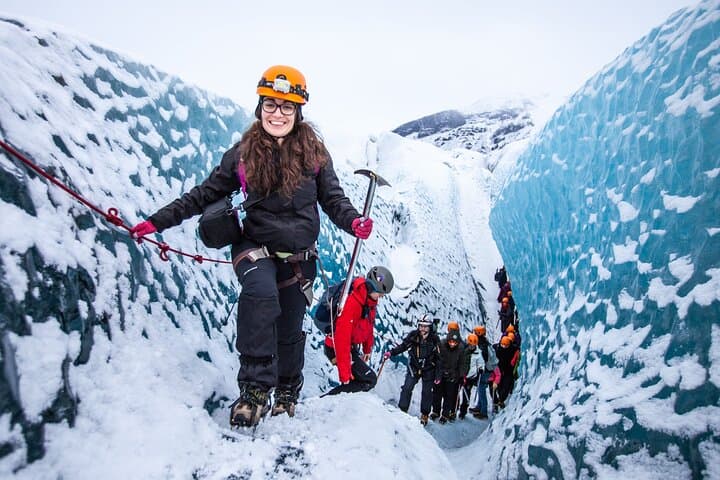
Beneath a sky of shifting light, Skaftafell’s ice reads like a map of time. This three-hour guided glacier hike mixes technical instruction with geology and culture: compact, safe, and unforgettable.
 Related story
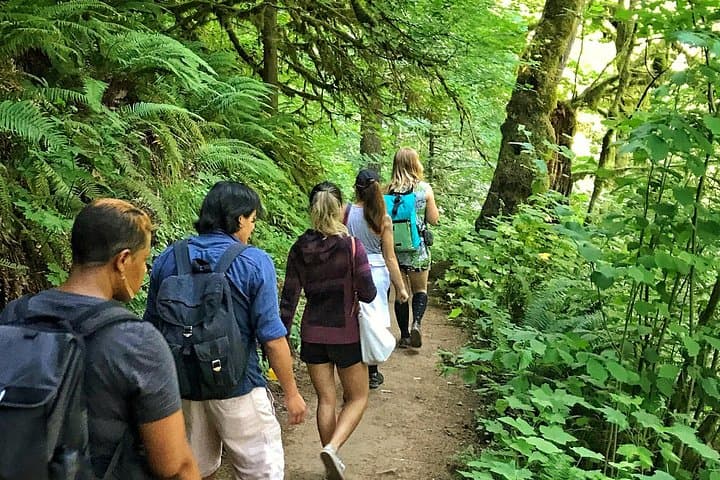
Lose the city for a few hours without leaving it: this 5-mile, 900-foot-gain Forest Park loop threads old-growth pockets, city viewpoints, and cultural landmarks for a compact taste of Portland’s wild side. Expect moss, roots, and stories.