

What the day feels like
You arrive on a narrow mountain road as the morning light pours down the flanks of Lanín Volcano, and the lake opens like a polished, wind-stippled sheet—cool, blue, and indifferent. At Huechulafquen Lake the Andes don’t merely frame a view; they insist upon it. The shoreline alternates between black volcanic rock and lichen-softened forest, while the water takes on different personalities with every gust: glass, slate, or a scatter of whitecaps that dare you to put on a jacket and step closer.
Huechulafquen sits in Lanín National Park, a place where glacial sculpture and volcanic architecture meet. The lake’s basin was carved and then softened by ice, then dotted with the fallout of eruptions. The centerpiece—Lanín Volcano—still retains the perfect cone that defines so much of Patagonia’s visual language. But up close the place is less postcard and more ecosystem: lenga and coihue forests hosting mossy understories, trout-rich arms of the lake lapping at pebble beaches, and Mapuche cultural markers tucked in small communities along the road.
There are two practical ways to experience this stretch of northern Patagonia. The first is a contemplative loop: drive the paved and gravel roads from San Martín de los Andes, stop at viewpoints, walk short trails into the forest, and sit on the lake’s rim with a thermos. The second introduces motion and adrenaline—raft the nearby Río Chimehuín, where Class II and III rapids thread through tree-lined canyons and the current seems to push you toward the volcano.
Both approaches make use of the same assets: low visitor density outside mid-summer, a compact landscape that rewards short outings, and infrastructure centered in San Martín de los Andes. The Lake Huechulafquen and Lanín Volcano day trip is a practical way to stitch them together. In a single small-group excursion you’ll get guided viewpoints of the volcano, stops at local Mapuche churches and communities, and the chance to learn the geological story as your driver-guide reads the terrain aloud: moraines, escarpments, and a volcanic cone that still influences local weather patterns. Numbers on these tours are intentionally limited to keep the experience personal and leave room for that lonely bench on the shore.
If you’re looking to amplify the physicality of the region, sign up for the Chimehuín River rafting trip. Over roughly six hours you’ll follow a knowledgeable guide down moderate rapids that are exciting without being punishing—a good fit for confident novices and seasoned paddlers who want scenery to match the splashes. Before dropping in you’ll get a drive through parts of Lanín National Park, with opportunities to see the volcano framed through avenues of evergreens.
History and culture here lean on a long Mapuche presence and the later overlay of Argentine frontier settlement. The Mapuche name and presence still shape place-names and local cultural touchstones: small chapels, artisanal crafts, and stories told in the low voices of community members. Outdoor travelers should treat these encounters with the same respect they bring to the landscape: ask before photographing, buy from community-run vendors when possible, and remember that this is both home and heritage.
Practicalities matter because weather in the Andes has a way of changing plans. Summer (December–March) is the sweet spot: long days, accessible dirt roads, and a predictable window for calm lake mornings. Still, afternoons bring thermals and wind, which makes early starts and layered clothing a must. For the rafting trip, expect a half-day commitment plus transportation; small-group departures often include hotel pickup in San Martín de los Andes, which simplifies logistics.
On land, pick footwear that handles both forest duff and rocky shores. Trails around Huechulafquen are generally moderate: short hikes into the forest and along the creeks that feed the lake, with limited elevation gain but uneven footing. Bring water, sun protection, and a rain shell—storms move fast here and the temperature can drop after sunset even in summer.
If you want to optimize for photography, arrive at dawn for low-angle light on Lanín’s cone or wait for the late-afternoon window when the wind commonly eases and the water loosens into reflective moods. For rafting, secure a weather-sealed camera or use a wrist strap and be prepared to get wet; the river rewards participation.
Huechulafquen is not a remote wilderness for months-long treks; it is a condensed Andean encounter that pairs easily with multi-day exploration of northern Patagonia. Whether you choose a quiet lakeside afternoon, a cultural stop in Mapuche communities, or the surge of Chimehuín’s rapids, the region rewards travelers who combine curiosity with respect and a practical kit.
Leave time to walk a short spur into the forest, sit on a volcanic boulder and listen—wind, birds, the occasional motorboat far across the water—and you’ll understand why people return. Here the Andes are not a backdrop but an active companion: they sculpt the routes, dictate the weather, and demand that you keep pace with the day’s rhythms. Pack smart, go early, and let the lake tell you its slow, patient story.
Trail wisdom
Small choices, better day.
Start at first light
Mornings are the calmest time on the lake and offer the best light for views of Lanín Volcano; be on the road before 8 AM in summer.
Layer for sudden weather
Bring a windproof shell and insulating mid-layer—temperatures can drop quickly even in summer after winds pick up.
Book small-group tours
Choose operators that limit to ~12 people to keep stops flexible and support low-impact visits to Mapuche communities.
Water safety on the river
For rafting, trust the guides, wear the provided PFD and helmet, and be honest about swimming ability during the safety briefing.
Local knowledge
Read the place, not just the route.
Watch for native species including Andean condor, brown trout (aquatic).
Keep an eye out for wildlife during the transition between areas and habitats. Respect distance guidelines.
The lake and surrounding areas are within Lanín National Park—visitors are encouraged to stay on trails, pack out waste, and respect local community land-use practices.
Follow the guide's instructions on size limits, ethical handling, and leave-no-trace practices.
A short walk to a secluded pebble beach near the lake’s northeastern cove. Small Mapuche chapels and artisan stands along the road to Junín de los Andes
Locally recommended viewpoints and quiet spots known best to local operators.
Huechulafquen and surrounding valleys have long been part of Mapuche territory; later Argentine settlement increased in the late 19th and early 20th centuries.
Maritime roots and regional tradition shape the waterways and working coasts.
Seasonal guide
Four versions of the same landscape.
Spring
Best forearly wildflowers · fewer crowds · melting runoff views
Challengesvariable snowmelt affecting trails · cooler mornings
Spring brings green shoots and active creeks; expect variable conditions on higher tracks and occasional road washouts.
Summer
Best forstable access · rafting season · long daylight hours
Challengesafternoon winds · higher visitor numbers in late Jan–Feb
Summer is the easiest time to combine lake viewpoints and a Chimehuín rafting trip, but plan early starts to beat wind and crowds.
Fall
Best forautumn color in lenga forests · crisper light for photos · quieter roads
Challengesshortening days · cool nights
Fall offers dramatic color and calm lakeside moments; bring warm layers and expect earlier sunsets.
Winter
Best forsnow-capped volcano views · solitude
Challengessnow on roads and limited services · cold daytime temps
Winter is beautiful and remote; only attempt if you have appropriate gear and local guidance for driving conditions.
Pack with intention
What to bring.
Good to know
Common questions.
Most travelers drive or join a guided day trip; the scenic route takes about 1–1.5 hours depending on stops and road conditions.
Plan the edges
The details that make the day easier.
Huechulafquen Lake lies within Lanín National Park, and the region’s iconic Lanín Volcano is a stratovolcano that shapes local weather and hydrology.
The area blends Mapuche cultural heritage with Patagonian cuisine—look for locally smoked trout, artisan wool textiles, and small community-run stalls selling handcrafted jewelry and mate gourds.
- Nearest base
- San Martín de los Andes (30–90 min drive). Tours: small-group day trips with hotel pickup. Rafting: half-day to full-day with gear and briefing included. Park fees apply. Language: Spanish; basic English at tour operators.
Choose operators that limit group size and work with local communities; avoid single-use plastics, respect no-take zones, and stay on marked trails to protect fragile shoreline and aquatic habitats.
Explore by topic
Follow the threads.
Keep exploring
Make the story part of the trip.
In four hours you can move from shaded canyon ferns to wind-scoured coastal ridgelines, guided by someone who knows where the light—and the hidden views—live. This private half-day hike on the Monterey Peninsula or Big Sur is compact, curated, and perfect for travelers who want depth without a multiday commitment.
 Related story
Beneath a sky of shifting light, Skaftafell’s ice reads like a map of time. This three-hour guided glacier hike mixes technical instruction with geology and culture: compact, safe, and unforgettable.
 Related story
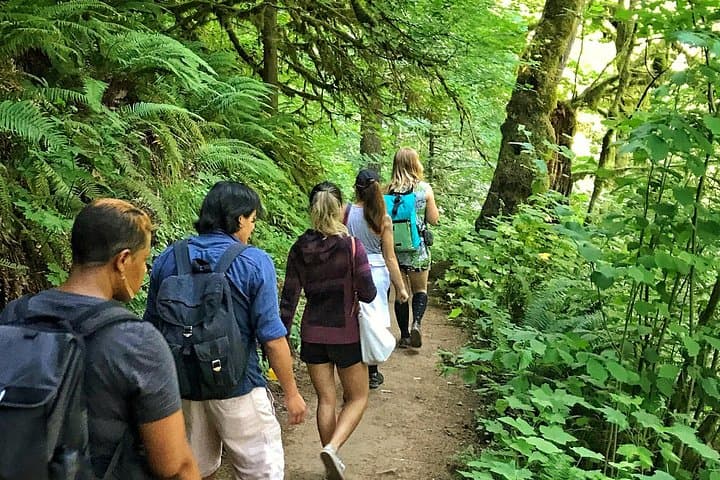
Lose the city for a few hours without leaving it: this 5-mile, 900-foot-gain Forest Park loop threads old-growth pockets, city viewpoints, and cultural landmarks for a compact taste of Portland’s wild side. Expect moss, roots, and stories.