

What the day feels like
The morning arrives at Leme Beach like a rehearsal for the day: waves tapping the sand, joggers threading along Avenida Atlântica, and the scattered laughter of kids as a dog dashes through the surf. Leme sits at the eastern lip of Copacabana — a quieter, more local cousin to the famous crescent — and it wears its city credentials lightly. From the foot of Morro do Leme the city unfurls westward, a stitched panorama of pale sand, tile-roofed buildings and the distant bulge of Sugarloaf Mountain. Standing on the small rocky outcrop that gives the beach its name, you can watch Rio’s energy move along the coast as if the Atlantic itself had decided to pace the city.
Leme is not a shrine to spectacle; it’s a study in coastal life. Fishermen mend nets under umbrella shade, beach vendors wheel carts of chilled coconut water and pastel, and families claim stretches of sand as if by habit. The sea here has personality: at times polite and patient, lapping up quietly; at others, insistent, pushing a steady set of breakers that dare you to test your surfboard and your nerve. The beach’s intimate scale and slightly sheltered position make it ideal for a morning dip and a long walk — the kind that edges you toward a deeper curiosity about Rio’s geography and history.
Geologically, Leme is a slice of the same rocky spine that forms Rio’s dramatic headlands. Morro do Leme, a modest promontory of granite and gneiss, is the westernmost shoulder of the Sugarloaf-Corcovado chain, shaped by ancient tectonic forces and later polished by ocean and weather. That geology makes for short, rugged climbs if you want perspective: a quick hike up the trail behind the beach gives a compact, sweepingly elevated view of Copacabana and the bay.
Historically the zone between Leme and Copacabana developed with the city’s expansion at the turn of the 20th century, its avenues and promenades laid down as Rio reinvented itself as a seaside modern metropolis. Leme has always been somewhat residential and local — a place where cariocas (Rio residents) come to run, to play footvolley and to drink coffee on the sand. The cultural rhythm is understated compared with the tourist-heavy heart of Copacabana, and that’s part of its appeal: here you can read the city through its everyday life rather than through curated attractions.
If Leme is your base for a day, you can stitch together experiences that showcase Rio’s layered personality. A short private half-day tour will take you along the southern beaches — Prainha and Joátinga — for raw wave breaks and surf-worthy swells, or inland to Corcovado and Sugarloaf for the grand panoramas. For those who prefer to avoid crowds, an alternative viewpoints tour visits four off-the-beaten-path lookouts (including Mirante Dona Marta and Parque das Ruínas) and offers the kind of vistas that make a smartphone camera feel inadequate. For travelers who want a tailored itinerary that mixes neighborhoods, nature and food, a full-day custom private tour is the way to go: pick a morning at Leme, an afternoon dip in the Tijuca foothills and a sunset from Sugarloaf.
For practical adventurers, Leme is forgiving. Sand here is firm near the waterline, making it good for running and long coastal walks. Surf conditions vary; hire a local instructor if you’re new. Sunscreen, a hat and a reusable water bottle will keep you in the sun longer. If you plan to walk the short trail up Morro do Leme, good grip shoes and shade are recommended — the climb is brief but steep in places, and the sun hits hard.
Timing matters. Early mornings and late afternoons are when the light is best and the crowds thin; weekends and holidays bring cariocas in force. Local kiosks sell everything from fresh fruit to grilled shrimp, and the informal economy on the sand is part of the beach’s texture — cash helps, although many vendors now accept digital payments.
Respect the place and it rewards you: don’t litter, don’t feed birds, and follow local signs for swimming flags — currents can change. Being mindful keeps the beach healthy and protects the small marine life that lives just offshore.
Leme is not a destination that screams for attention. Its strengths are quieter: proximity to the city’s icons, access to neighbors like Copacabana and Ipanema without their crush, and a lived-in authenticity that lets you study Rio at human scale. The bay frames the city’s silhouette; the granite outcrops anchor it. Spend an early morning walking the sand, pause for a café and cake on the promenade, then take a private half-day tour to stitch your beach hour into a wider exploration of Rio’s lookouts, gardens and hidden surf coves. The payoff is the kind of day that moves you from spectator to participant — you’ll come away with a map of the city in your head that’s less about postcards and more about where people actually live, work and play.
In the end, Leme is best approached the way locals do: with patience, curiosity and an appetite for small pleasures. Stand on the rocks at dusk, listen to the tide calibrate the city’s tempo, and you’ll find that the most noteworthy thing about this stretch of sand is how naturally it fits into Rio’s broader story — a coastal hinge between the metropolis and the sea.
Trail wisdom
Small choices, better day.
Check the flags before swimming
Local flags indicate surf and current conditions — swim only when green or monitored by lifeguards.
Go early for light and space
Arrive before 8 a.m. for soft light, cooler temps and fewer crowds — ideal for photography and running.
Bring cash for kiosks
Many beach vendors prefer cash; small notes make buying snacks and coconut water faster and friendlier.
Wear reef-friendly sunscreen
Protect your skin and the ocean by choosing biodegradable sunscreen when swimming offshore.
Local knowledge
Read the place, not just the route.
Watch for native species including brown noddy and terns along the shoreline, small reef fish in shallow tide pools.
Keep an eye out for wildlife during the transition between areas and habitats. Respect distance guidelines.
Local groups organize occasional beach cleanups; visitors can help by avoiding single-use plastics and respecting marked dune and wildlife areas.
Follow the guide's instructions on size limits, ethical handling, and leave-no-trace practices.
Morro do Leme trail — short climb for panoramic views without Copacabana crowds. Early-morning footvolley games — watch or join locals at the sand courts
Locally recommended viewpoints and quiet spots known best to local operators.
Leme marks the eastern edge of Copacabana and developed alongside Rio’s early 20th-century beachfront expansion, maintaining a residential, low-key beach culture.
Maritime roots and regional tradition shape the waterways and working coasts.
Seasonal guide
Four versions of the same landscape.
Spring
Best forpleasant temperatures · fewer crowds · long coastal walks
Challengesintermittent rain · strong sun mid-day
Spring (Sept–Nov) offers mild weather and clear views — great for long walks and viewpoint tours, though occasional showers can appear.
Summer
Best forswimming · surfing · long daylight hours
Challengeshigher humidity · crowds on holidays · stronger currents
Summer (Dec–Feb) brings warm water and active beach life; expect crowds and plan earlier starts to avoid peak sun and people.
Fall
Best forsightseeing · comfortable sea temps · less humidity
Challengesyearly shifting of swell patterns · shorter days
Fall (Mar–May) is comfortable for beach activities and sightseeing, with calmer evenings and pleasant sea temperatures.
Winter
Best forclear skies · less crowded beaches · excellent city views
Challengescooler water · more wind
Winter (Jun–Aug) gives crisp air and excellent visibility for photos; the sea is cooler but still swimmable on sunny days.
Pack with intention
What to bring.
Good to know
Common questions.
Leme is accessible by taxi or public bus from Copacabana and central neighborhoods; the metro reaches nearby stations, followed by a short bus or walk along Avenida Atlântica.
Plan the edges
The details that make the day easier.
Praia do Leme sits at the eastern end of the Copacabana neighborhood and is overlooked by Morro do Leme, a modest granite outcrop that offers panoramic views of Rio — a quieter vantage than the famous Sugarloaf.
Grab a freshly cut coconut or an açaí bowl from a beachfront kiosk, listen for impromptu samba from a nearby bar, and try the local snack pastel (fried pastry) for an authentic beach bite.
- Getting there
- taxi or bus; Lifeguards: yes; Restrooms & kiosks: available on promenade; Best times: dawn and late afternoon; Language: Portuguese (basic English at tourist kiosks).
Avoid single-use plastics, use reef-friendly sunscreen, and participate in or respect local beach cleanups to help maintain the shoreline’s health.
Explore by topic
Follow the threads.
Keep exploring
Make the story part of the trip.
In four hours you can move from shaded canyon ferns to wind-scoured coastal ridgelines, guided by someone who knows where the light—and the hidden views—live. This private half-day hike on the Monterey Peninsula or Big Sur is compact, curated, and perfect for travelers who want depth without a multiday commitment.
 Related story
Beneath a sky of shifting light, Skaftafell’s ice reads like a map of time. This three-hour guided glacier hike mixes technical instruction with geology and culture: compact, safe, and unforgettable.
 Related story
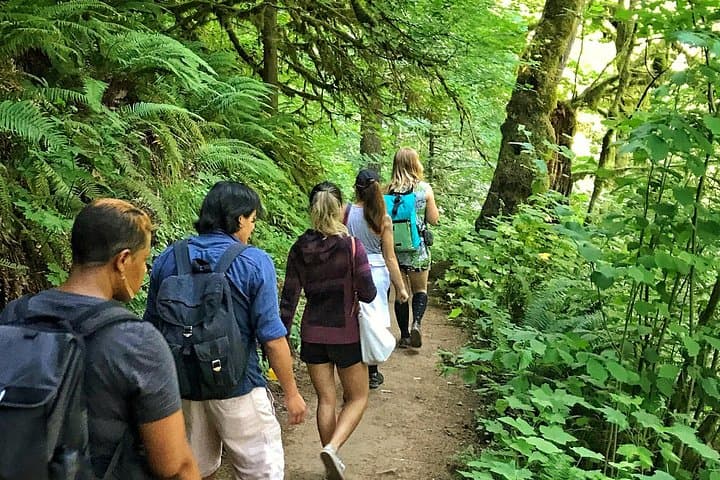
Lose the city for a few hours without leaving it: this 5-mile, 900-foot-gain Forest Park loop threads old-growth pockets, city viewpoints, and cultural landmarks for a compact taste of Portland’s wild side. Expect moss, roots, and stories.