

What the day feels like
The morning begins before the sun fully touches the serrated backs of the Andes. You step onto a low-slung boat in Puerto Chacabuco, coffee still warm in hand, and the first sound you register is the water—soft at first, then an insistent, metallic whisper as the hull parts the fjord. Islands drift past like forgotten maps: wind-polished rocks, kelp beds dark as bruises, and a sparring flock of cormorants that keeps pace with the bow. Hour by hour the terrain tightens, the light shifts, and the air takes on an ice-sweet sharpness. Then, without fanfare, the lagoon opens and the San Rafael Glacier fills the horizon—an immense, vertical wall of blue that looks almost architectural in scale. Calving is the drumbeat here: a rumble, a thunder, then an avalanche of ice and spray that rearranges the sky.
Laguna San Rafael National Park is not a place you arrive at so much as a place that reveals itself. The park centers on the San Rafael Glacier, a major outlet of the Northern Patagonian Ice Field. Its setting—deep fjords carved by millennia of ice, a braided delta where the Exploradores River meets the Pacific, and a mosaic of temperate rain forest cliffs—is raw and unapologetic. The most memorable way to experience it is by water, which is why the classic San Rafael Glacier Lagoon Cruise (the full-day option with breakfast, lunch and, yes, whisky on ancient ice) remains the most sought-after ticket in the region. But there’s a broader menu here: multi-day land-and-sea itineraries that thread the Carretera Austral’s quieter corridors, like the 4-day Aiken del Sur and the 5-day Quelaut discovery trips that combine rivers, trails and small coastal villages.
Geology speaks in an uncompromising register. The Northern Patagonian Ice Field feeds a network of outlet glaciers; San Rafael is a tidewater glacier that calves directly into the lagoon. The fjords and channels you cross are the result of repeated glaciations, and the floating icebergs—some the size of houses—act as mobile lighthouses, their striations and baselines revealing the glacier’s history and current retreat. Culturally, this is Chilean remote-country life: artisanal fishing, small family-operated lodges, and a regional palette of smoked seafood, sturdy bread, and a no-nonsense welcome. Locals’ livelihoods remain tightly bound to these waters—both a source of sustenance and a route to the wider world.
Practicalities matter here as much as wonder. The day cruise from Puerto Chacabuco is typically a full-day commitment—expect 6–10 hours on the water. Boats traverse fjords and the Exploradores River delta; the approach to the lagoon can be choppy and cold, even in summer. Operators serve breakfast and a Patagonian lunch ashore or on deck; watching staff shave blue ice for whisky is one of those small theatrical acts that make the trip feel like something out of a travel myth. For travelers who want to linger longer and walk the land, the 4- and 5-day discovery tours are structured to deliver that: a blend of driving along segments of the Carretera Austral, short hikes across lenga forest and peatlands, and nights in modest lodges or refugios.
Who should go? Day cruisers who want a dramatic, low-effort encounter with an active glacier will find the lagoon irresistible. Multi-day adventurers—those who want to pair fjord navigation with hikes and cultural stops—will appreciate the Aiken del Sur and Quelaut itineraries. Fitness requirements are moderate for a cruise (stair-free boarding, seated for most of the day); multi-day trips require comfort with uneven terrain, wet-weather conditions and multi-hour travel days.
Tips that matter: layer aggressively (wind and spray will find any exposed skin), bring a waterproof bag for electronics, and prepare for seasickness if you’re prone—motion-sickness medication is worth carrying. Listen to the guides: safety zones exist for a reason (calving ice can send waves across the lagoon), and landing permissions are controlled. Book well in advance in high season (January–March) and choose operators with clear environmental practices.
For photographers and wildlife-watchers, the ecosystem rewards patience. Keep a telephoto at the ready for seabirds and marine mammals; low light and high-contrast ice require quick exposure decisions. For the multi-day routes, hiking boots with good ankle support and gaiters are useful—mud can appear suddenly where you least expect it.
Finally, travel here with humility and restraint. The region’s glaciers are subject to rapid change; the San Rafael’s moods are both spectacular and fragile. Choose operators who prioritize low-impact practices, respect wildlife, and support local communities—those choices protect the very landscapes you came to see.
Laguna San Rafael is not merely a photogenic postcard; it’s a study in scale and an argument for slow travel—arriving by water, listening to the glacier’s language, and allowing the fjords to rearrange your expectations about what the edge of the world looks like.
Trail wisdom
Small choices, better day.
Dress in sealed layers
Wind and spray make temperatures feel several degrees colder; a waterproof outer shell and insulating mid-layer keep you comfortable on deck.
Bring motion-sickness prevention
The fjords can be choppy—take pills or use acupressure bands before boarding if you’re prone to seasickness.
Protect your kit
Use a dry bag and lens cloth; salt spray and fine glacier mist can harm cameras and phones.
Book high season early
January–March fills quickly; reserve your cruise or multi-day spot weeks to months ahead to secure preferred dates.
Local knowledge
Read the place, not just the route.
Watch for native species including South American sea lion, Andean condor.
Keep an eye out for wildlife during the transition between areas and habitats. Respect distance guidelines.
Glacier retreat is visible here; choose operators who follow strict waste and wildlife protocols and support local communities to minimize impact.
Follow the guide's instructions on size limits, ethical handling, and leave-no-trace practices.
Exploradores River delta for mirrorlike reflections and smaller icefloes. Aiken del Sur Park and Quelaut National Park—lesser-visited sections of Carretera Austral with short hikes and local guesthouses
Locally recommended viewpoints and quiet spots known best to local operators.
Laguna San Rafael National Park was established to protect the San Rafael Glacier and surrounding fjords; the glacier is a prominent outlet of the Northern Patagonian Ice Field.
Maritime roots and regional tradition shape the waterways and working coasts.
Seasonal guide
Four versions of the same landscape.
Spring
Best forfewer crowds · breeding seabirds · late snowmelt hikes
Challengesunpredictable weather · cold evenings
Spring (Sept–Nov) brings long transition days: fewer visitors and active birdlife, but expect variable weather and lingering snow at higher elevations.
Summer
Best forbest weather window · calmer seas · full-service operators
Challengestourist peak · limited availability
Summer (Dec–Feb) is the most reliable time for cruising and multi-day routes with the warmest conditions—book well in advance.
Fall
Best fordramatic light · quieter trails · autumn colors
Challengescooling temps · shorter days
Fall (Mar–May) offers rich color and fewer people; expect crisp air and earlier dusk that shortens activity windows.
Winter
Best foraural quiet · ice-strewn landscapes · solitude
Challengesmany operators closed · rough weather
Winter (Jun–Aug) is off-season: striking landscapes but limited services and higher risk of weather cancellations.
Pack with intention
What to bring.
Good to know
Common questions.
Most visitors start in Puerto Chacabuco; from there book a licensed cruise operator for the lagoon or a multi-day tour that includes sea and land transfers along the Carretera Austral.
Plan the edges
The details that make the day easier.
San Rafael Glacier is an outlet of the Northern Patagonian Ice Field, one of the largest ice fields in South America and a primary reason the area is a major glacial research site.
Aysén’s coastal villages serve fresh seafood—ceviche, smoked salmon, and king crab are regional highlights; evenings are for modest lodges, shared meals, and conversations with local guides about life on the fjords.
Choose operators that limit single-use plastics, follow 'leave no trace' principles, and support local communities; stay on designated paths and respect wildlife distance recommendations.
Explore by topic
Follow the threads.
Keep exploring
Make the story part of the trip.
In four hours you can move from shaded canyon ferns to wind-scoured coastal ridgelines, guided by someone who knows where the light—and the hidden views—live. This private half-day hike on the Monterey Peninsula or Big Sur is compact, curated, and perfect for travelers who want depth without a multiday commitment.
 Related story
Beneath a sky of shifting light, Skaftafell’s ice reads like a map of time. This three-hour guided glacier hike mixes technical instruction with geology and culture: compact, safe, and unforgettable.
 Related story
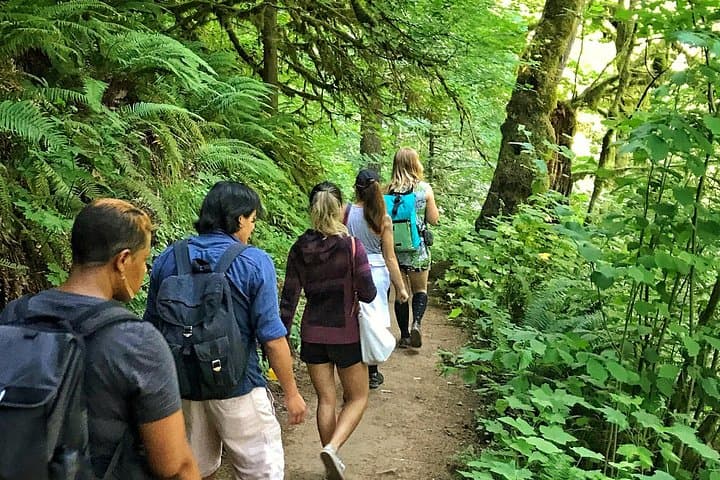
Lose the city for a few hours without leaving it: this 5-mile, 900-foot-gain Forest Park loop threads old-growth pockets, city viewpoints, and cultural landmarks for a compact taste of Portland’s wild side. Expect moss, roots, and stories.