

What the day feels like
You arrive by a single, ribboned road that negotiates fjord shoulders and sheep-scattered outfields. The air is iodine-bright and the Westfjords unspool in layers of blue—fjord, mountain, sky. Then Dynjandi appears: not a single drop but a stacked, fan-shaped cascade that stretches like a white banner across a dark basalt amphitheater. It tapers from many smaller tiers into a broad 60-meter-wide flourish at the base. The fall does not simply fall; it unfurls and asserts itself, the sound an immediate, physical presence that rearranges the space around you.
Approaching Dynjandi is part of the pleasure. A short walk from the parking area rises along a gravel and boardwalk path, threading through low scrub and mossy rock. Each ledge and pool reveals the waterfall in a new register: close enough to feel the spray on your cheek, distant enough to see the full fan. Local guides often call it Fjallfoss—mountain waterfall—but most visitors know it as Dynjandi. The Icelandic root dynja, meaning to thunder or roar, is an apt personification: the waterfall dares you to stand still.
Dynjandi sits in Arnarfjörður, one of the Westfjords’ broad inlets. The geology here reads like a field manual of Iceland’s violent past: layered basalt, exposed columns, and deep ravines carved by glacial and fluvial force. Dynjandi’s stepped profile is a record of differential erosion—the softer beds gouged away between harder layers—so the cascade fans elegantly rather than free-falling in a single sheet. In good light, the basalt’s black-brown faces frame the white water; on overcast days the falls glow like a lantern in the gloom.
This is a place with human texture as well as geological drama. Scattered turf-roofed houses and working farms speak to a settlement pattern shaped by fishing and sheep, resilient coastal communities that learned to read weather windows and tide for a living. On many half-day or shore excursions from Ísafjörður, Dynjandi is the highlight—the “must-see” of the Westfjords—often paired with visits to small fishing villages, cliff viewpoints where seabirds wheel, and turf-house museums that explain how people lived in a landscape that could be at once generous and unforgiving. On a farm stop many tours offer Hjónabandssæla cake—oats and rhubarb jam, literally “wedded bliss”—a small, local ritual after fresh air and long road time.
What to expect physically: the walk from the car park to the primary viewpoint is short—typically 15–30 minutes for most visitors—over managed gravel and wooden steps that climb modestly (plan for a cumulative elevation gain on the order of tens of meters as you move between tiers). You can continue higher along carved paths to inspect upper cascades and glacial pools; the terrain is uneven and wet near the rock lip, so footwear with a grippy sole is a must. The site is family-friendly but weather-dependent: wind and spray amplify the cold in shoulder months, and the path can be slippery after rain.
Practicalities matter in these remote fjords. Ísafjörður is the regional hub and the most common base for day trips to Dynjandi; the drive west is long and scenically rewarding—tunnels through mountains, sweeping fjord outlooks, and tiny harbors. Many travelers choose small-group or private tours when arriving by cruise or staying in Ísafjörður, which saves navigation time and provides local context. If you’re self-driving in a campervan, build time into your schedule for slower roads, sudden weather shifts, and the urge to stop at viewpoints that won’t be on any map.
Timing is key for light and solitude. Summer’s late sunsets paint the falls from shallow angles, while high summer brings the most reliable access; spring brings rushing flows from meltwater but colder conditions. Fall tints the moss and bracken and can deliver dramatic storm light; winter renders the falls into a glittering, sometimes partially frozen sculpture—stunning but less accessible and requiring more care.
For photographers, the cascade’s fan shape rewards both wide compositions and intimate studies of texture: use a wide-angle lens to include the basalt frame and foreground pools, and consider a neutral density filter if you want that soft, milky-water look in brighter light. Bring a lens cloth—the spray finds your glass fast.
Culturally, Dynjandi is stitched into local identity. The Westfjords preserve a slower pace of life—fishing seasons, turf-house restoration projects, and small farms where people still bake traditional pastries. Visits here can and should be respectful: stick to trails, avoid trampling fragile moss and vegetation, and follow local guidance on drone use and photography near private land.
If you plan to go: keep layers and waterproofs at the ready, give yourself extra time for the drive and unexpected stops, and pair Dynjandi with a wider Westfjords circuit. Whether you’re a casual hiker who wants an iconic photo or a traveler looking for a window into Icelandic rural life, Dynjandi rewards attention. It’s not only a geographical destination but a performance—water, rock, and wind in dialogue—so arrive ready to listen.
Dynjandi is an invitation: to slow down, to stand under a small thunder, and to leave a bit quieter than you arrived.
Trail wisdom
Small choices, better day.
Wear grippy footwear
The path includes wet rock and wooden stairs; shoes with good traction keep you steady near spray zones.
Bring a rain shell and lens cloth
Spray from the falls and frequent coastal weather shifts make waterproof outerwear and lens care essential for comfort and photos.
Plan extra drive time
Roads in the Westfjords are scenic but slow; allow time for stops, tunnels, and single-lane bridges.
Respect fragile vegetation
Stick to marked trails and boardwalks—moss and tundra recover slowly from trampling.
Local knowledge
Read the place, not just the route.
Watch for native species including Arctic fox, Seabirds (including puffins in nearby coastal cliffs during summer).
Keep an eye out for wildlife during the transition between areas and habitats. Respect distance guidelines.
Dynjandi sits in a fragile tundra environment—visit on marked paths to prevent erosion and support local conservation efforts that limit trail damage.
Follow the guide's instructions on size limits, ethical handling, and leave-no-trace practices.
The small pools above the main fall—quiet spots for intimate photos and reflection. Nearby turf-roofed farmsteads where you can sample local baking and learn about traditional Westfjords life
Locally recommended viewpoints and quiet spots known best to local operators.
The Westfjords have been settled since the Viking Age; small fishing communities and farms around Dynjandi reflect centuries of coastal adaptation.
Maritime roots and regional tradition shape the waterways and working coasts.
Seasonal guide
Four versions of the same landscape.
Spring
Best forpowerful meltwater flows · fewer crowds · wildflower emergence
Challengescold temperatures · wet and slippery paths · variable access early season
Spring brings high volume from snowmelt and fewer visitors, but expect colder, wetter conditions and sometimes muddy approaches.
Summer
Best foreasiest access · long daylight for golden-hour photos · pairing with Westfjords drives
Challengesmore daytrippers · occasional midges near standing water · unpredictable rain
Summer is the most straightforward time to visit—roads and services are at their best, and late light rewards photographers.
Fall
Best fordramatic light and color · fewer tourists · Northern Lights potential at night
Challengesshortening days · increasing storms and wind · colder evenings
Autumn turns the landscape warm-toned and moody; aim for calm weather windows for the clearest views.
Winter
Best foricy sculptural scenery · aurora viewing in clear weather
Challengeslimited access · black ice on trails · short daylight hours
Winter makes Dynjandi otherworldly but less accessible; only attempt with winter driving experience and appropriate gear.
Pack with intention
What to bring.
Good to know
Common questions.
The walk is short—typically 15–30 minutes one-way—over a maintained gravel and boardwalk path with modest elevation gain between tiers.
Plan the edges
The details that make the day easier.
Dynjandi’s name comes from the Icelandic word 'dynja,' meaning to thunder or roar, and the falls are often described as resembling a bridal veil, with a width of about 60 meters at the base.
Pair your visit with a stop at a local farm to try Hjónabandssæla (oat-and-rhubarb cake) and explore turf-roofed houses; small fishing villages nearby offer fresh seafood and a glimpse into coastal Icelandic life.
- Nearest hub
- Ísafjörður (drivable). Access: paved
- single-lane roads; short 15–30 minute walk from parking. Services
- limited—bring food, water, and fuel. Best time: June–August for easiest access.
Stay on marked trails to protect fragile moss and tundra, pack out all waste, and follow local guidance on drone use and wildlife viewing to minimize disturbance.
Explore by topic
Follow the threads.
Keep exploring
Make the story part of the trip.
In four hours you can move from shaded canyon ferns to wind-scoured coastal ridgelines, guided by someone who knows where the light—and the hidden views—live. This private half-day hike on the Monterey Peninsula or Big Sur is compact, curated, and perfect for travelers who want depth without a multiday commitment.
 Related story
Beneath a sky of shifting light, Skaftafell’s ice reads like a map of time. This three-hour guided glacier hike mixes technical instruction with geology and culture: compact, safe, and unforgettable.
 Related story
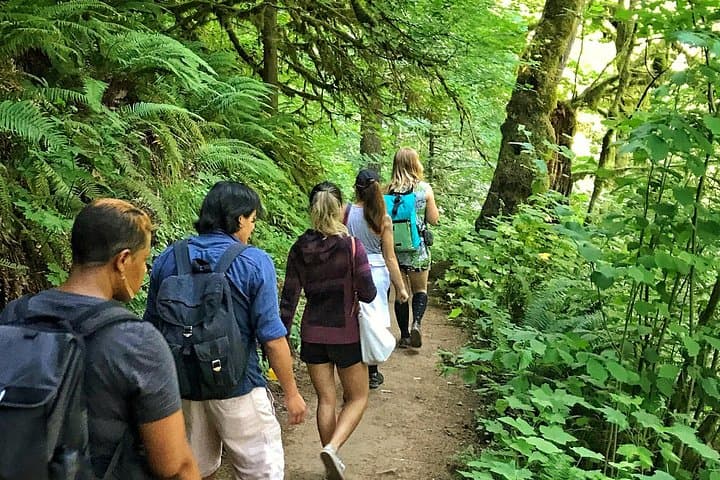
Lose the city for a few hours without leaving it: this 5-mile, 900-foot-gain Forest Park loop threads old-growth pockets, city viewpoints, and cultural landmarks for a compact taste of Portland’s wild side. Expect moss, roots, and stories.