

What the day feels like
The wind off the North Sea has a habit of speaking first in Dunkirk. It arrives cool and salt-stung, prompting an immediate tightening of jackets and a change in gait as you step onto the beach. For a moment you are only in the rhythm of the sand and surf—then you notice the ships off the horizon, the long line of breakwaters, the stone memorials that stand like witnesses along the promenade. This is a place where the landscape and history share sentences: dunes that once hid gun emplacements now host wind-bent grasses; wide strandlines that swallowed rubber dinghies in 1940 are now popular with kite-surfers and families on Sunday.
Dunkirk (Dunkerque) is not a museum frozen in sepia; it’s a working port and coastal town with layered stories. The town’s maritime DNA predates the 20th century—its harbor has pivoted between fishing, commerce, and war for centuries—but no single episode has shaped Dunkirk’s international identity more than Operation Dynamo, the evacuation of Allied troops from late May to early June 1940. The scale of what happened here is almost cinematic: beaches and piers became an improvised harbor as hundreds of small craft, ferries and fishing boats helped lift more than 338,000 soldiers from the jaws of a collapsing front. The event’s physical traces are unmistakable—plaques, ruined bunkers, a scattering of wartime relics—and they form the spine of modern tours.
The contemporary visitor experiences Dunkirk in two tempos. There’s the quick, concentrated history lesson—the 2-hour Private Battle of Dunkirk Operation Dynamo Tour pulls you to the key sites in a short window, stopping at evacuation beaches, the harbour, and locations used in the 2017 film Dunkirk. Then there are the longer, layered itineraries: three-day excursions that combine Dunkirk with Dieppe, or an eight-day private overview that traces the arc of the Second World War across northern France, from the 1940 withdrawal through Normandy and beyond. These multi-day options suit people who want context—museums, memorials, battlefield topology and the quieter, less-trafficked spots where the mathematics of history feel immediate.
Walking around Dunkirk, you become aware that geology is as much character as setting. The coastline here is defined by broad tidal flats and dynamic dunes; the sand shifts with storms and seasons, revealing and reclaiming artifacts. The promenade gives way to polders—reclaimed land crisscrossed by canals and levees—so the feel shifts from open beach to kettle-flat agricultural hinterland in a few minutes by car. That variety is one reason private tours are popular: the driving distances between key viewpoints and preserved sites are short, but piecing them together on your own can be inefficient and easy to miss nuance.
Culturally, Dunkirk sits at French and Flemish crossroads. The town has a robust seafood tradition—moules-frites (mussels and fries) are a local staple—and a distinct festival culture anchored by carnival processions and brass bands. Local guides emphasize humane storytelling; visits to memorials and museums are framed to honor the lives impacted and to help visitors understand strategy without sensationalism.
For practical planning: most guided experiences depart from Dunkirk itself or begin in Paris on longer itineraries. Expect transfers to take roughly 2–3 hours if you’re coming by train or private transfer from Paris; private vans and small-group vehicles are standard on multi-day packages. On foot, the center of Dunkirk and major memorial sites are compact—allow 2–4 hours for a focused walk with several stops, or a half-day if you include museum time. Terrain is flat but exposed: wind and sudden rain are part of the package year-round, and the sand can be unforgiving if you’re wearing city shoes.
The best way to experience Dunkirk depends on appetite. If you want context and concentrated storytelling, a 2-hour private Operation Dynamo tour delivers interpretation and the physical landmarks. If you want the arc of WWII in France presented as a continuous narrative, opt for the 3- or 8-day private tours that connect Dunkirk to Dieppe, Normandy beaches, and other key memorials. These longer trips typically include hotels, transport and guided visits to museums not usually available on standard tours—valuable if you prefer an all-in approach where logistics are handled.
Practical tips: book memorial and museum entries in advance during late spring and summer, bring layered clothing and a waterproof shell, and plan routes around tide tables if you want to walk the broader strandlines—low tide reveals landscapes and relics you won’t see at high tide. Respect signs and protected sites: many coastal dunes and wartime structures are fragile and managed for conservation and safety.
Dunkirk’s draw isn’t only its past. There’s something resilient and elemental about the place: the wind that pushed a flotilla back toward safety still pushes the town forward, toward fishing, festivals and everyday life. For travelers seeking a blend of tactical history, coastal landscape, and accessible walking, Dunkirk offers a compact, powerful visit. The experience is not a reenactment or a murmur of nostalgia; it’s a clear-eyed encounter with terrain that shaped people’s choices—and with a community that remembers and keeps living.
Trail wisdom
Small choices, better day.
Check tide times before heading to the strand
Low tide exposes wide flats and wartime features; high tide limits beach access and changes walking routes.
Layer for wind and rain
The North Sea can switch from calm to gusty quickly—pack a windproof shell and warm mid-layer.
Book museums and private tours in advance
Smaller guided WWII tours limit participants—reserve early, especially in high season.
Wear sturdy walking shoes for dunes and wet sand
City shoes and sandals are poor choices; choose shoes that shed sand and remain grippy on wet surfaces.
Local knowledge
Read the place, not just the route.
Watch for native species including grey seal (occasionally spotted off the coast), oystercatchers and terns on the tidal flats.
Keep an eye out for wildlife during the transition between areas and habitats. Respect distance guidelines.
Dune preservation and protected bird habitats are priorities—stay on marked paths, obey signage, and support local conservation groups when possible.
Follow the guide's instructions on size limits, ethical handling, and leave-no-trace practices.
Musée Dunkerque 1940 - Operation Dynamo (detailed local exhibits). Fort des Dunes and nearby Leffrinckoucke dune trails for quiet coastal perspectives
Locally recommended viewpoints and quiet spots known best to local operators.
Dunkirk’s most famous episode is Operation Dynamo (May–June 1940), which evacuated roughly 338,000 Allied soldiers; the town’s maritime and industrial past stretches back centuries.
Maritime roots and regional tradition shape the waterways and working coasts.
Seasonal guide
Four versions of the same landscape.
Spring
Best formild weather walks · birdwatching in the dunes
Challengesunpredictable rain · cool winds
Spring offers moderate temperatures and green dunes—ideal for walking memorial trails with fewer tourists but pack for changeable weather.
Summer
Best forlong beach walks · extended daylight for multi-site tours
Challengescrowds on weekends · strong sun and wind exposure
Summer brings full ferry activity and festival energy—plan early starts to avoid crowds and wear sun protection.
Fall
Best fordramatic coastal light · calmer post-summer beaches
Challengesshortening daylight · stormier seas
Autumn offers vivid skies and quieter sites—expect breezy conditions and schedule tours mid-day for best light.
Winter
Best formoody landscape photography · off-season rates
Challengescold winds · reduced museum hours
Winter is raw and atmospheric—perfect for reflection and photography, but check opening times and dress warmly.
Pack with intention
What to bring.
Good to know
Common questions.
By train or private transfer it typically takes about 2–3 hours from Paris; regional trains arrive at Dunkerque station and private tour operators often include pickup in Paris for multi-day itineraries.
Plan the edges
The details that make the day easier.
Operation Dynamo (the Dunkirk evacuation) evacuated approximately 338,000 Allied soldiers between May 26 and June 4, 1940—a massive seaborne rescue that involved hundreds of civilian and naval vessels.
Dunkirk blends French and Flemish culinary notes—try moules-frites in a seaside brasserie, sample local beers, and time your visit to catch brass-band processions or the town’s carnival traditions.
- Closest major hub
- Paris (2–3 hour train
Respect coastal habitats—stay on marked paths, avoid disturbing nesting birds, and support local museums and conservation initiatives that preserve both natural and historical resources.
Explore by topic
Follow the threads.
Keep exploring
Make the story part of the trip.
In four hours you can move from shaded canyon ferns to wind-scoured coastal ridgelines, guided by someone who knows where the light—and the hidden views—live. This private half-day hike on the Monterey Peninsula or Big Sur is compact, curated, and perfect for travelers who want depth without a multiday commitment.
 Related story
Beneath a sky of shifting light, Skaftafell’s ice reads like a map of time. This three-hour guided glacier hike mixes technical instruction with geology and culture: compact, safe, and unforgettable.
 Related story
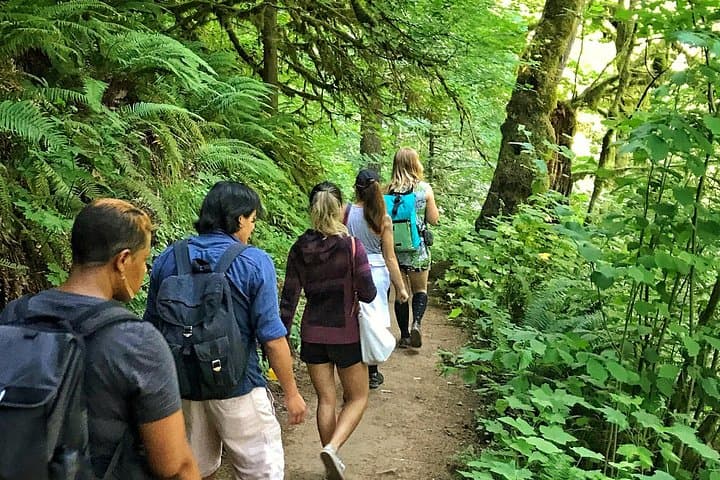
Lose the city for a few hours without leaving it: this 5-mile, 900-foot-gain Forest Park loop threads old-growth pockets, city viewpoints, and cultural landmarks for a compact taste of Portland’s wild side. Expect moss, roots, and stories.