
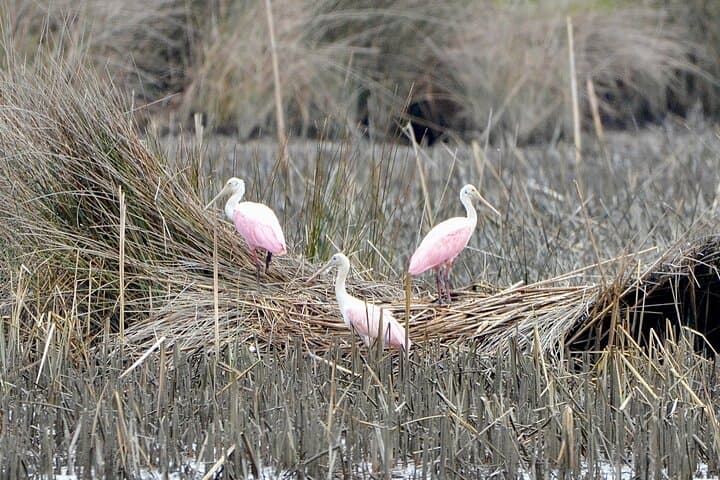
What the day feels like
The ferry bumps and hums as it slips past salt flats and stubby spartina, the horizon a lace of pelicans and distant shrimp boats. For thirty minutes you ride the tidal edge of the Lowcountry—the ferry’s wake sketching a temporary path through glassy water—while a naturalist points out a thresher of dolphins breaking the surface. The skiff’s engine is a steady metronome; the marsh is the soloist, chanting gulls and the high-pitched chatter of sandpipers. By the time the bow nudges the shoreline of Bulls Island, the mainland has shrunk to a memory and the island’s slow, deliberate world takes over.
Bulls Island is the largest landmass in the Cape Romain National Wildlife Refuge, a sweep of barrier islands, marsh, and tidal creeks that protects more than 66,000 acres of coastal habitat off South Carolina’s coast. Geologically young and continually remade, its dunes and beaches are the product of wind, tide, and river-borne sediment. Onshore you’ll find the relics that make Bulls famous: miles of easy trails that thread maritime forest and marsh, and the eerie driftwood cathedral of Boneyard Beach, where salt-scorched live oaks lay bleached and folded like giant driftwood bones.
The island feels lived-in by nature. Snowy plovers and willets patrol the surf; loggerhead sea turtles come ashore in summer to lay; and migratory songbirds use the island as a rest stop during spring and fall moves. Human history is layered but quieter: planters, fishermen, and lighthouse keepers moved through these same tidal corridors long before the refuge put federal protections in place. Today, small groups come ashore by ferry—often families, birders, and photographers—intent on one thing: getting close to an untrammeled stretch of coast without needing to head offshore.
Practical specifics anchor the romance. The guided Bulls Island ferry is a roughly 30-minute boat ride each way, and the whole trip runs about 3–4 hours on most itineraries. Trails are flat—think sand, boardwalk, and packed shell—so elevation gain is negligible, but soft sand and exposed sun make this deceptively tiring in summer. You’ll wander a network of paths that link picnic groves, marsh overlooks, and the expansive Boneyard Beach, where the scrim of standing timber creates striking compositions for photographers. Guides onboard share natural-history notes about the 293 bird species recorded in the refuge and point out dolphins, sea turtles, and other marine life along the crossing.
Why go? Bulls Island is one of those places that rewards a slow pace. If you want a coastal hike that feels remote but doesn’t require heavy gear or advanced skills, this is it. Birdwatchers get a concentrated slice of the Atlantic flyway; families can let kids explore sand and shallow surf; photographers get surreal, high-contrast frames at the boneyard; and anyone who needs the kind of quiet that only a place shaped by tides can provide will find it here.
Getting the most from your day is straightforward: pick a shoulder-season morning for cooler temperatures and better light, wear sturdy sandals or trail shoes that you don’t mind getting sandy, and bring sun protection—shade on the island is patchy and the tide plays a big role in how much beach is exposed. Hydration and a simple lunch make the visit easier; there are no services on the island, and the ferry returns you to the mainland the same day.
The ferry runs Tuesday through Saturday March to November, with Saturday departures available December through March. Tickets run from around $55 per person and include naturalist-guided commentary; the booking covers the ferry ride and access to the refuge trails. Because the refuge is a protected area, obey rules about staying on designated trails and leaving no trace. For photographers, plan your angles around low tide when the beach broadens and the light skimming the tide pools adds texture. For birders, bring binoculars and a field guide—warblers and shorebirds show up in surprising numbers during migration windows.
The rhythm of Bulls Island—salt breeze, rolling surf, and a silence punctuated only by wings—feels like a reset. It’s not a place for big climbs or speed runs; it’s a place to slow, notice, and learn. If you want to deepen the day, tie the trip into a longer Lowcountry itinerary: explore nearby marshfront eateries after your return, or spend a night in Charleston to trace the region’s Gullah history and seafood culture.
Want to lock this trip in? Book through the local outfitter to support on-the-ground guides and get accurate timing: <a href="https://app.advcollective.com/local-experts/bulls-island-ferry-cape-romain-wildlife-boneyard-beach-day-trip">Bulls Island Ferry and Cape Romain day trips</a> run frequently in season and include onboard naturalists guiding the ride. Whether you come for the birds, the driftwood, or the simple pleasure of being offshore and then walking into a beach that feels like another planet, Bulls Island delivers a compact, low-effort dose of coastal wilderness easy to fit into a Charleston getaway.
Trail wisdom
Small choices, better day.
Time your visit for low tide
Low tide exposes more beach and makes Boneyard Beach easier to explore and photograph.
Wear packable, sand-friendly footwear
Trail shoes or sturdy sandals that can handle sand and occasional wet patches are ideal.
Bring at least 1 liter of water
There are no services on the island—hydrate before you depart and carry extra water for the hike.
Respect nesting and wildlife zones
Keep dogs off the island, avoid fenced nesting areas, and follow guide instructions to minimize disturbance.
Local knowledge
Read the place, not just the route.
Watch for native species including Bottlenose dolphins, Loggerhead sea turtles.
Keep an eye out for wildlife during the transition between areas and habitats. Respect distance guidelines.
The refuge manages sensitive nesting areas and restricts certain activities—stay on trails, pack out trash, and avoid disturbing wildlife to protect nesting shorebirds and turtles.
Follow the guide's instructions on size limits, ethical handling, and leave-no-trace practices.
Walk the marsh-side trails at the island’s northern end for quieter birding. Scout the small tidal pools near the refuge channels for juvenile fish and fiddler crabs
Locally recommended viewpoints and quiet spots known best to local operators.
Cape Romain was designated a national wildlife refuge in 1932 to protect migratory birds and coastal habitat; Bulls Island became a popular spot for naturalists and photographers.
Maritime roots and regional tradition shape the waterways and working coasts.
Seasonal guide
Four versions of the same landscape.
Spring
Best forMigratory birds · Mild temperatures · Wildflower displays
ChallengesVariable weather · Higher insect activity
Spring is prime for songbirds and migratory shorebirds; expect mild conditions but bring a light rain layer.
Summer
Best forSea turtle nesting · Warm beach days · Long daylight hours
ChallengesHeat and humidity · Strong sun exposure
Summer brings sea turtle activity and beach weather; plan early departures to avoid the hottest hours.
Fall
Best forFall migration · Crisp mornings · Fewer crowds
ChallengesCooler water · Shortening daylight
Fall offers excellent birding and cooler temperatures—perfect for photographers chasing dramatic light.
Winter
Best forQuiet shoreline walks · Shorebird viewing · Mild off-season days
ChallengesLimited ferry schedule (weekends) · Cool breezes
Winters are quiet with fewer services; check seasonal ferry days and bundle up for cold winds.
Operator details
What the booking data adds.
Included
- ✓Guide service on boat
- ✓Boat ecotour to Bulls Island
Not included
- —Gratuities
Good to know
- ✓Wheelchair accessible
- ✓Infants and small children can ride in a pram or stroller
- ✓Transportation options are wheelchair accessible
- ✓Not recommended for pregnant travelers
- ✓Not recommended for travelers with poor cardiovascular health
- ✓Suitable for all physical fitness levels
Pack with intention
What to bring.
Good to know
Common questions.
The crossing is about 30 minutes each way; total trip duration typically runs 3–4 hours depending on stops and walking time.
Plan the edges
The details that make the day easier.
Cape Romain National Wildlife Refuge is home to over 293 recorded bird species and protects more than 66,000 acres of coastal habitat.
After your ferry return, head to Shem Creek or Charleston’s historic district for fresh seafood and Lowcountry flavors—oysters and shrimp are regional staples—and try a local craft beer while watching marsh traffic at sunset.
- Closest airport
- Charleston International Airport (CHS); Driving: ~40–60 minutes from Charleston to ferry departure area depending on traffic; Cell service: intermittent on island; Permits: none for day-use but ferry ticket required; Ferry schedule: March–November Tue–Sat, December–March Saturdays only.
Bulls Island is part of a protected refuge—pack out all trash, avoid disturbing nesting areas, and follow guide directions to minimize your footprint.
Explore by topic
Follow the threads.
Keep exploring
Make the story part of the trip.
In four hours you can move from shaded canyon ferns to wind-scoured coastal ridgelines, guided by someone who knows where the light—and the hidden views—live. This private half-day hike on the Monterey Peninsula or Big Sur is compact, curated, and perfect for travelers who want depth without a multiday commitment.
 Related story
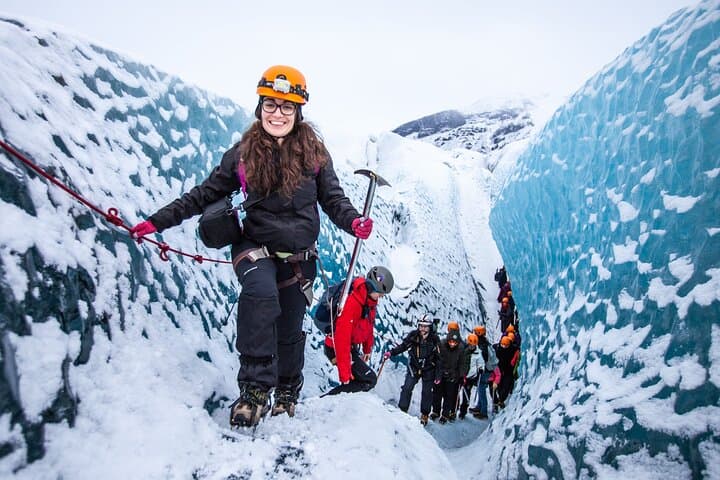
Beneath a sky of shifting light, Skaftafell’s ice reads like a map of time. This three-hour guided glacier hike mixes technical instruction with geology and culture: compact, safe, and unforgettable.
 Related story
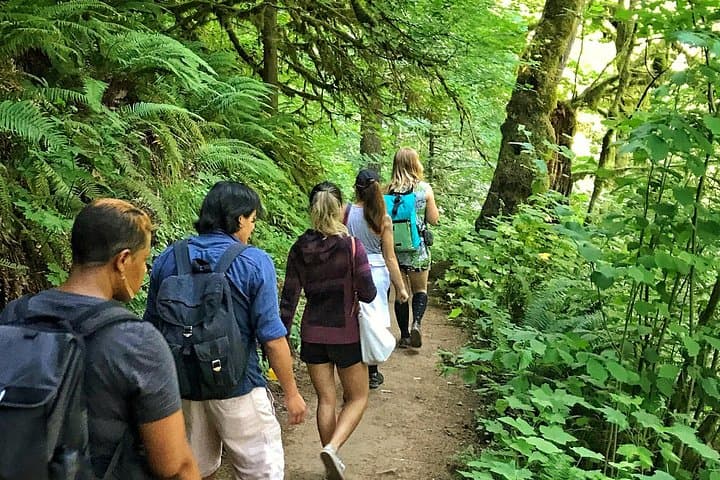
Lose the city for a few hours without leaving it: this 5-mile, 900-foot-gain Forest Park loop threads old-growth pockets, city viewpoints, and cultural landmarks for a compact taste of Portland’s wild side. Expect moss, roots, and stories.