

What the day feels like
The first time the Sarapiquí catches you, it does so with a grin: warm, fast, and full of noise. You push off from a gravel takeout beneath a canopy of fig and ceiba trees, oars folding into rhythm as the river’s current tugs at the bow like an insistent guide. Jungle presses in on both banks—bananas and heliconias, lianas that snag at your helmet, and the occasional flash of red from a macaw cutting the sky. For three hours or more, depending on your route, the river alternates between social, rollicking rapids and long, contemplative pools where hummingbirds inline like punctuation.
Sarapiqui River (Rio Sarapiquí) is not a single personality; it’s a corridor of moods. In stretches you’ll negotiate named rapids—El Caño, Confusion, Morning Coffee—where paddling becomes a communal language and the guides’ commands are less instruction than choreography. In calmer reaches you float past the edges of La Selva Biological Station, a global hub for tropical research, and the river becomes a classroom of its own: the chitter of a howler monkey, the slow blink of a sloth, the metallic glint of a kingfisher’s beak.
Geologically, Sarapiquí is carved from the collision of Caribbean drainage and volcanic uplift. Runoff from the Central Volcanic Range, including the slopes of Arenal in the region’s northwest, funnels through narrow volcanic gullies and opens into the wider, meandering lowlands. That mix—steep gradient in places, broad, depositional sections in others—creates the variety of rapids and calm eddies that make Sarapiquí both a playground for rafters and a biological corridor for wildlife.
The river has been woven into local life for generations. Indigenous peoples, colonial settlers, and modern conservationists have all treated Sarapiquí as a resource and a boundary. In the 20th century the area’s fertile banks supported cacao and banana plantations; today many communities earn their living through tourism and conservation partnerships. The La Paz Waterfall Gardens—often sold as a joint day trip with Sarapiquí—showcase a different facet of the region: rescued jaguars, butterfly conservatories, and stepped cascades that drop into cool pools. Together, these experiences give you context: the river is part adrenaline, part cultural backbone, part living lab.
What travelers want from Sarapiquí is straightforward: wildlife, adrenaline, and a vivid dose of rainforest. Outfitters sell runs suited to different appetites. Class II–III stretches are ideal for families and first-time rafters who want wildlife viewing and a few heartbeats of excitement. Class III–IV and guided “extreme” runs push toward sustained rapids and technical maneuvers—routes that reward experienced paddlers and anyone who likes the feeling of water making decisions for you.
Practicalities are almost as important as the scenery. Most trips run 3–6 hours from pickup to drop-off, including transfers and safety briefings. Departures can be from nearby hubs such as Puerto Viejo de Sarapiquí, La Fortuna, or even San José, where full-day combos link Sarapiquí with La Paz Waterfall Gardens and wildlife safaris. Guides will typically provide helmets, PFDs (personal flotation devices), and dry bags; bring quick-dry clothing, reef-safe sunscreen, and shoes that stay on in rapids. If you’re reasonably fit—able to do a few pushups and keep up on a steep trail—you’ll be fine for an average Sarapiquí run. For extreme Class IV stretches, operators expect previous rafting experience or a willingness to follow tight, non-negotiable safety protocols.
Timing matters. The dry season (December–April) thins the river and exposes rock gardens that make rapids punchier and more technical. The green, high-water months (May–November) broaden the channel and smooth some lines, but they also bring stronger currents and larger hydraulics. Wildlife viewing peaks post-rain when the forest flushes with fruit and activity; morning launches give you the best chance at birds and primates.
Beyond the raft, carve a morning for La Selva or a guided jungle walk. Many operators combine river runs with a riverside lunch and a short trek, often stopping at panoramic edges or cascades. For a gentler day, book the La Paz Waterfall Gardens combo—wildlife exhibits, cooled trails, and accessible falls make for a different, complementary look at tropical ecosystems.
Safety and stewardship are personal responsibilities. Choose vetted, licensed outfitters who follow leave-no-trace practices and work with local communities. Use biodegradable sunscreen and avoid single-use plastics on the river. Many operators support research stations and employ local guides; your trip can help sustain both livelihoods and conservation.
At day’s end the river gives up its last epiphanies in a slow, golden glide. You step from the boat with a towel and a grin, the jungle’s humidity clinging to your shirt, and you’ll already be talking about one thing—what rapid came next, which bird you saw, which guide turned a shout into laughter. Sarapiquí is simple in its offering: it teaches you to read water, to listen to the forest, and, perhaps unexpectedly, to travel a little slower even while your heart is racing.
If you go, pick a run that matches your appetite: family-friendly Class II–III for wildlife and ease, or Class III–IV and “extreme” runs for sustained adrenaline. Add a morning at La Paz Waterfall Gardens if you want animals and cascades in one day. Either way, come curious, bring basic fitness, and leave a little quieter than when you arrived—because the river likes it that way.
Trail wisdom
Small choices, better day.
Wear reef-safe sunscreen
The jungle canopy offers shade but UV reflects off the water—use reef-safe sunscreen to protect skin and the river ecosystem.
Choose your class
Match the run to your experience—Class II–III for families or wildlife watching, III–IV or ‘extreme’ for experienced paddlers.
Secure footwear
Use strap-on river shoes or old runners that won’t float away and provide traction on slippery landings.
Hydrate and stash snacks
Bring a small, sealed water bottle and energy snacks; many trips include a riverside snack but having your own helps on longer transfers.
Local knowledge
Read the place, not just the route.
Watch for native species including Howler monkeys, Keel-billed toucans.
Keep an eye out for wildlife during the transition between areas and habitats. Respect distance guidelines.
Many operators support local research stations and follow strict leave-no-trace policies; using licensed guides helps fund community conservation efforts.
Follow the guide's instructions on size limits, ethical handling, and leave-no-trace practices.
La Selva Biological Station trails—short guided walks near the river edge. Riverside chocolatier stands—small local sodas offering cacao-based treats after a run
Locally recommended viewpoints and quiet spots known best to local operators.
The Sarapiquí corridor has been a center for agriculture and ecological research for decades; La Selva Biological Station on its banks is a cornerstone of tropical science.
Maritime roots and regional tradition shape the waterways and working coasts.
Seasonal guide
Four versions of the same landscape.
Spring
Best forBirdwatching · Lower river flows · Clearer skies
ChallengesHeavier tourism in March–April · Cooler mornings
Spring in Costa Rica overlaps with the dry season: clearer skies, lower flows that make technical lines visible and bird activity high in exposed fruiting trees.
Summer
Best forLush jungle vistas · Higher water wildlife spotting · Full river runs
ChallengesHeavy afternoon rains · Stronger currents
Summer (wet season) brings dramatic greenery and higher water levels—rapids smooth out but currents strengthen; plan for rain and earlier departures.
Fall
Best forFewer crowds · Lively wildlife · Good referral rates
ChallengesUnpredictable showers · Possible muddy roads
Fall is transitional: fewer visitors and active wildlife, with occasional storms—ideal for travelers who prioritize solitude and biodiversity.
Winter
Best forConsistent river access · Comfortable temperatures · Dry trails
ChallengesPeak season crowds (Dec–Feb) · Higher accommodation costs
Costa Rica’s high season coincides with winter; clear days and stable weather make this the most popular time to run Sarapiquí.
Pack with intention
What to bring.
Good to know
Common questions.
Typical door-to-door trips last 3–6 hours, including transfer, safety briefing, the river run, and a riverside snack or lunch.
Plan the edges
The details that make the day easier.
La Selva Biological Station, which sits on the Sarapiquí basin, is one of the most important tropical ecology research stations in the world and is managed by the Organization for Tropical Studies.
Post-raft, hit a local soda (small family restaurant) for casado with fried plantains and fresh coffee; farmers’ stalls nearby sell cacao and tropical fruit—support small businesses.
- Location
- Sarapiquí River (Puerto Viejo de Sarapiquí). Typical runs: Class II–IV. Pickup: Puerto Viejo, La Fortuna, or San José. Duration: 3–6 hours. Bring: river shoes, sunscreen, ID.
Choose licensed operators that pay landing fees and support La Selva research; use biodegradable products and avoid single-use plastics to reduce river pollution.
Explore by topic
Follow the threads.
Keep exploring
Make the story part of the trip.
In four hours you can move from shaded canyon ferns to wind-scoured coastal ridgelines, guided by someone who knows where the light—and the hidden views—live. This private half-day hike on the Monterey Peninsula or Big Sur is compact, curated, and perfect for travelers who want depth without a multiday commitment.
 Related story
Beneath a sky of shifting light, Skaftafell’s ice reads like a map of time. This three-hour guided glacier hike mixes technical instruction with geology and culture: compact, safe, and unforgettable.
 Related story
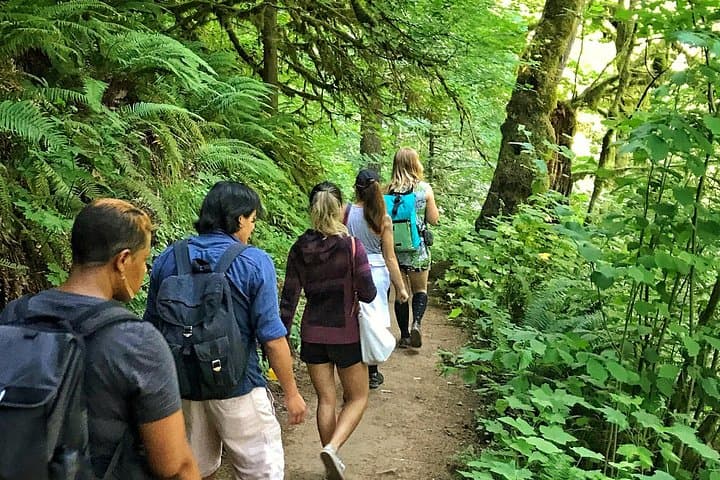
Lose the city for a few hours without leaving it: this 5-mile, 900-foot-gain Forest Park loop threads old-growth pockets, city viewpoints, and cultural landmarks for a compact taste of Portland’s wild side. Expect moss, roots, and stories.