

What the day feels like
You pull on your helmet as the city wakes: vendors setting out crates of plantains, a taxi backing slowly over a carpet of blue-gray cobbles. The engine’s low rumble answers the morning gulls. For the next two hours, a Can-Am side-by-side becomes a compact, kinetic way to read Old San Juan’s layered story — not from behind a guidebook glass, but with the wind and the smell of salt and fried dough pulling you forward.
This 2-hour guided Can-Am adventure trades a slow walking tour’s intimacy for a brisk, spatial sense of the city. Streets that once channeled Spanish galleons now funnel scooters, pedestrians, and these small off-road machines past candy-colored facades, shuttered balconies, and public plazas. You feel the city in motion: the click of a loose cobblestone under pneumatic tires, the sudden drop of a plaza where a fountain collects neighborhood gossip, and the sea’s presence — audible before it appears — daring you toward the Castillo walls.
Old San Juan is compact but complicated. Founded in 1521, its grid and fortifications were designed to hold back empires, and the stones still remember that geometry. The Can-Am tour threads through those defensive lines and toward modern rhythms: salsa leaking from storefronts, a street artist repainting a mural, kiosks selling coffee and guava pastries. Your guide tethers the ride with history — a story of colonial architects and local resistance — but lets the vehicle do its work: shortening the distance between sites so that, in a single loop, you can see Castillo San Felipe del Morro’s green ramparts, the narrow alleys of La Fortaleza, and a sea-facing overlook where the Atlantic throws light like coins.
Geology here is thin but telling. The island sits upon limestone and volcanic underpinnings; in the city those forces are most visible in the way water shaped the shoreline and the forts that negotiate it. Culture is present in gestures: laundry hung from wrought-iron rails, storefronts that have sold the same roast for generations, and the way neighbors still talk to one another across narrow streets. The tour is less about conquering nature than encountering how people have lived with it — and how they now reframe it for visitors.
Practicalities are purposeful. The trip lasts 120 minutes, is offered as a private tour, and reserves instantly — perfect for travelers who need flexibility. The price point (from $299) places this on the premium side of short urban experiences; you’re paying for the vehicle, the guide’s local knowledge, and the convenience of seeing a lot in a short time. It’s a compact, sensory primer on San Juan rather than a comprehensive history lesson.
Who should book it? Travelers who want more than a ride and less than a marathon. Families with teens who can handle a bumpy ride, travelers who want strong photo ops beyond a walking route, and anyone curious about the city’s urban mosaic will find value. It’s not a technical off-road excursion — think city and coastal driving with occasional rough patches, not deep trails — so you don’t have to be a seasoned rider to enjoy it.
Tips that matter: book morning or late-afternoon slots to avoid the mid-day heat; bring a light jacket if you’ll be on the water-facing side of the island as breezes pick up; and wear closed-toe shoes — the cobbles bite. Expect frequent stops for photos, brief historical context, and, if your guide is local and the timing right, a short snack at a family-run kiosk.
Beyond the ride, this tour is an efficient connector. It points you toward places you’ll want to return to on foot: long lunch at a plaza café, a slow beer where fishermen mend nets, a museum that needs an hour instead of a glance. It’s also an accessible option for travelers on a tight schedule — a two-hour window that leaves the afternoon free for the forts, the museums, or a beach close by.
Safety and stewardship are non-negotiable. Guides brief riders on local rules and respect for historic areas: the cobbles and limestone walls are fragile; the goal is to move lightly through the city, to be seen but not to dominate. This ethos translates to a small but meaningful traveler behavior shift — a humbler mode of sightseeing that still feels adventurous.
If you’re assembling a San Juan itinerary, this Can-Am tour is a way to orient yourself quickly and memorably. It’s a short, sensory-rich ride that condenses color, history, and coastline into a format that’s equal parts efficient and evocative. Two hours may seem brief, but here it’s enough to taste the city’s contrasts: the hush of a colonial courtyard, the clatter of a produce vendor, and the relentless pull of the sea. In the end you’ll step down from the vehicle with sand in your shoe, a handful of strong images, and a list of places you’ll come back to — by foot, by fork, and by longer curiosity.
Trail wisdom
Small choices, better day.
Wear closed‑toe shoes
Cobblestones and vehicle footwells make closed toes safer and more comfortable for the two‑hour ride.
Book morning or late afternoon
Avoid mid‑day heat and get softer light for photos by choosing early or late tour times.
Hydrate and pack sun protection
Bring a refillable water bottle and sunscreen — exposure is real near the coast and on open‑air vehicles.
Bring ID and comfortable clothing
Guides may check ID for drivers; wear breathable layers for changing coastal temperatures.
Local knowledge
Read the place, not just the route.
Watch for native species including Brown Pelican, Tropical Mockingbird.
Keep an eye out for wildlife during the transition between areas and habitats. Respect distance guidelines.
Stay on approved roads and parking areas to protect historic cobbles and coastal habitats; support small local vendors rather than large chains.
Follow the guide's instructions on size limits, ethical handling, and leave-no-trace practices.
A narrow plaza off Calle San Francisco with afternoon shade and a family‑run coffee cart. Street‑level murals tucked between tourist routes — step a block off the main drag to find them
Locally recommended viewpoints and quiet spots known best to local operators.
Old San Juan was established in 1521 and its forts (Castillo San Felipe del Morro and Castillo San Cristóbal) are part of the San Juan National Historic Site.
Maritime roots and regional tradition shape the waterways and working coasts.
Seasonal guide
Four versions of the same landscape.
Spring
Best forMild temperatures · Blossoming street flora · Fewer tourists than peak winter
ChallengesOccasional showers · Unpredictable wind on exposed overlooks
Spring offers comfortable temperatures and lively street scenes; pack a light rain layer for afternoon squalls.
Summer
Best forLong daylight · Vivid coastal light for photos · Evening cooler rides
ChallengesHigh heat and humidity · Frequent short thunderstorms
Summer is bright and energetic but hot — choose early slots and expect brief storms in the afternoons.
Fall
Best forLower hurricane season risk than peak months · Warm sea breezes · Good light for late afternoons
ChallengesResidual humidity · Some seasonal rain events
Fall balances warmth and fewer crowds; still bring sun protection and be ready for a wet minute.
Winter
Best forDriest weather · Pleasant daytime temperatures · Perfect conditions for sightseeing
ChallengesHigher visitor numbers · Can be pricier during holidays
Winter (Dec–Apr) is the island’s dry season — ideal weather for riding and photo stops, but reserve early for peak travel dates.
Pack with intention
What to bring.
Good to know
Common questions.
If you plan to drive the Can‑Am, a valid driver’s license is usually required; passengers do not need a license — check booking terms with the operator.
Plan the edges
The details that make the day easier.
San Juan National Historic Site, which includes Castillo San Felipe del Morro and Castillo San Cristóbal, is a UNESCO World Heritage Site recognized for its well‑preserved colonial military architecture.
After the ride, head to a shaded plaza for mofongo or a local seafood fritura, sip a cortadito or a cold Medalla beer, and wander Calle Fortaleza's cafés and small galleries — the city’s social life lives in its plazas.
- Closest airport
- Luis Muñoz Marín International Airport (SJU). Driving time to Old San Juan: ~15–25 minutes. Cell service: generally good in urban areas. Permits: none required for tourists; operator provides safety briefing and local route permissions.
Operate on paved and permitted routes only to protect fragile historic surfaces and coastal ecosystems; pack out all trash and prioritize local, family‑run businesses for food and souvenirs.
Explore by topic
Follow the threads.
Keep exploring
Make the story part of the trip.
In four hours you can move from shaded canyon ferns to wind-scoured coastal ridgelines, guided by someone who knows where the light—and the hidden views—live. This private half-day hike on the Monterey Peninsula or Big Sur is compact, curated, and perfect for travelers who want depth without a multiday commitment.
 Related story
Beneath a sky of shifting light, Skaftafell’s ice reads like a map of time. This three-hour guided glacier hike mixes technical instruction with geology and culture: compact, safe, and unforgettable.
 Related story
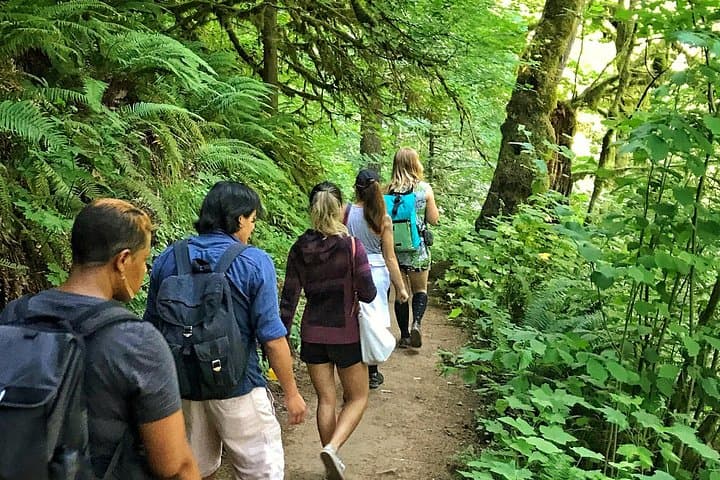
Lose the city for a few hours without leaving it: this 5-mile, 900-foot-gain Forest Park loop threads old-growth pockets, city viewpoints, and cultural landmarks for a compact taste of Portland’s wild side. Expect moss, roots, and stories.