

What the day feels like
The sun lifts lazily over the live oaks and a low mist still curls off the salt marsh as your tires kiss pavement. Spanish moss drapes like curtains from the branches; shrimp boats rock gently in the harbor, their nets idling for the day. You don’t need to be a cyclist to feel like you’ve gained the neighborhood—an electric nudge under your pedals turns a long, lazy shoreline into an intimate, three-dimensional map of the Lowcountry. This is the kind of morning the <a href="https://app.advcollective.com/local-experts/charleston-shores-ebike-tour-mount-pleasant-to-sullivans-island">Charleston Shores eBike tour</a> is built for: the slow reveal of place, the small discoveries a car would miss, and the exhilaration of coastal wind at just the right speed.
Guided eBike tours across Mount Pleasant and Sullivan’s Island trade sweat for stories: local guides steer you toward the creeks and boardwalks where dolphins surface like punctuation marks and shorebirds stake out tidal flats. Along the route you pass southern estates with ironwork and pastel facades, public parks where fishermen mend their lines, and marshes that smell faintly of brine and peat. The ride is deliberate—leisurely enough for families, varied enough to keep seasoned visitors alert—and it’s framed by a rich history and a living landscape.
Sullivan’s Island and Mount Pleasant have been gateways for centuries. Fort Moultrie, whose palmetto log fortifications held off a British naval attack in 1776, still presides over the channel’s entrance; that same channel saw the first volleys aimed at Fort Sumter in 1861. The geology here is all salt and sediment—the Lowcountry’s tidal rhythms have built the coast over millennia, depositing sandbars and breathing life into the marshes. Those marshes are not a backdrop but an active player: they filter water, house juvenile fish and crustaceans, and invite an astonishing cast of birds.
Cultural life in this strip is quietly robust. You’ll get a sense of Charleston’s culinary gravity as the guide points out shrimp boats, oyster docks, and neighborhood kitchens where seafood is a craft. Local light—soft and golden in the morning, washed silver by afternoon—seems to insist that you slow down and look. On a 2.5-hour loop from Mount Pleasant toward Sullivan’s Island, the eBike is an ideal vehicle—not quite motorized speed, more than a push-bike’s slog—letting you linger at boardwalks, snap photos, and still cover enough ground to taste the region’s variety.
Practicality is part of the allure. The eBikes used on the tour offer pedal-assist levels you can modulate easily; beginners find they can keep pace without losing breath, and older riders appreciate the extra torque on slight rises and the steady cruise on the causeways. Routes are curated to avoid heavy traffic and maximize views: you ride along sheltered lanes, pass marsh overlooks where dolphins are frequently sighted, and circle neighborhoods where architecture tells its own story. Tour guides add color—local news, best restaurants, and where to watch the evening light—so you leave with an itinerary as much as a memory.
For those considering the trip, timing matters. Spring and fall offer mild temperatures and birds on the move; summer gives luminous mornings but heavier humidity and midday heat; winter is quieter and often pleasantly cool but can be blustery. Hydration, sunscreen, and a comfortable saddle go a long way toward making a short tour feel polished.
If you want to make the most of the ride: arrive a little early to get comfortable with the bike’s handling, bring a camera (and a small backup battery), and keep an eye on tidal activity—high tide brings closer dolphin encounters and changes the marsh palette. Bookings are instant for this popular 2.5-hour experience, which means flexible plans still benefit from advance reservations during peak season. And when the ride ends, the culinary map of the Lowcountry is right there—grab a dockside oyster, a cold beer, or a wood-fired pie and let the day settle.
The real draw is simple: this tour hands you access. Not just to sights, but to context—a sense of how the tidal landscape shaped settlement, how seafood shaped local economy, and how a community balances tourism with daily life. In a place where the weather, the water, and history all keep their own hours, a guided eBike ride is a practical, delightful way to feel oriented quickly. It’s a short time investment that yields a robust sense of place—and that’s the kind of travel that changes how you remember a city.
Trail wisdom
Small choices, better day.
Charge & Adjust
Arrive 15–20 minutes early to fit the bike and test pedal-assist levels so you’re comfortable before setting off.
Respect Tidal Habitats
Stay on boardwalks and marked paths around marshes to protect nesting birds and delicate vegetation.
Hydrate for Heat
Bring a full water bottle or hydration pack; coastal sun and humidity make you dehydrate faster than you think.
Camera Ready
Bring a small camera or phone with extra battery—most wildlife sightings happen quickly and close to shore.
Local knowledge
Read the place, not just the route.
Watch for native species including Bottlenose dolphins, Great blue heron and other shorebirds.
Keep an eye out for wildlife during the transition between areas and habitats. Respect distance guidelines.
The marshes here are fragile and important nursery habitat—stay on designated paths, avoid disturbing shorelines, and carry out all trash.
Follow the guide's instructions on size limits, ethical handling, and leave-no-trace practices.
Shem Creek boardwalk at sunrise—quieter than later in the day and great for early reflections. Fort Moultrie overlook—less crowded vantage for harbor history and sunsets
Locally recommended viewpoints and quiet spots known best to local operators.
Sullivan’s Island and Fort Moultrie played pivotal roles in American history: in 1776, palmetto-log defenses at Fort Moultrie helped repel a British attack during the Revolutionary War.
Maritime roots and regional tradition shape the waterways and working coasts.
Seasonal guide
Four versions of the same landscape.
Spring
Best forWildflower and marsh bird viewing · Mild temperatures
ChallengesOccasional showers · Spring pollen
Spring offers comfortable rides, active shorebirds, and greener marshes—pack a light rain layer for sporadic showers.
Summer
Best forDolphin sightings at dawn · Long daylight hours
ChallengesHigh heat and humidity · Midday thunderstorms
Summer mornings are luminous and rich for wildlife; schedule tours early to avoid heat and storms.
Fall
Best forPleasant riding conditions · Migratory birds
ChallengesShortening daylight · Variable temperatures
Fall delivers crisp rides and excellent birdwatching—layers are useful as temperatures shift through the day.
Winter
Best forQuiet trails and fewer crowds · Cool, clear days
ChallengesWind on exposed causeways · Cooler water-sea temperatures
Winter rides are quieter and clearer—dress windproof for exposed stretches across the barrier islands.
Operator details
What the booking data adds.
Included
- ✓Helmet
- ✓Use of bicycle
Good to know
- ✓Public transportation options are available nearby
- ✓Travelers should have at least a moderate level of physical fitness
Pack with intention
What to bring.
Good to know
Common questions.
No—eBikes provide pedal assist so beginners and casual riders can keep pace; guides plan routes with safety and comfort in mind.
Plan the edges
The details that make the day easier.
Fort Moultrie on Sullivan’s Island defended Charleston Harbor in 1776 and played a key role in Revolutionary War naval engagements.
After the ride, head to Shem Creek for shrimp and waterfront views or cross to Sullivan’s Island for pizza at Poe’s Tavern or seafood at The Obstinate Daughter—local kitchens emphasize fresh, Lowcountry seafood and casual hospitality.
- Closest airport
- Charleston International Airport (CHS). Typical start: Mount Pleasant waterfront area; ~15–20 minutes drive from downtown Charleston. Cell service: generally good on main roads, patchy across some marsh overlooks. Permits: none; booking required.
This tour runs through sensitive marsh ecosystems—stay on marked routes, don’t feed wildlife, and pack out all waste to protect nursery habitats.
Explore by topic
Follow the threads.
Keep exploring
Make the story part of the trip.
In four hours you can move from shaded canyon ferns to wind-scoured coastal ridgelines, guided by someone who knows where the light—and the hidden views—live. This private half-day hike on the Monterey Peninsula or Big Sur is compact, curated, and perfect for travelers who want depth without a multiday commitment.
 Related story
Beneath a sky of shifting light, Skaftafell’s ice reads like a map of time. This three-hour guided glacier hike mixes technical instruction with geology and culture: compact, safe, and unforgettable.
 Related story
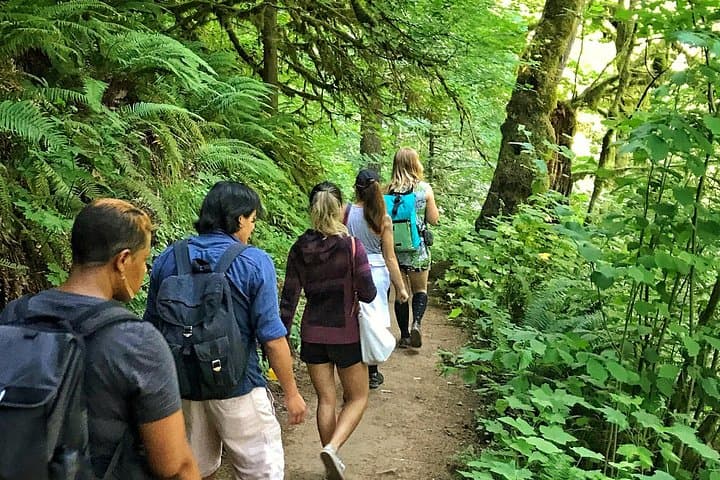
Lose the city for a few hours without leaving it: this 5-mile, 900-foot-gain Forest Park loop threads old-growth pockets, city viewpoints, and cultural landmarks for a compact taste of Portland’s wild side. Expect moss, roots, and stories.