
What the day feels like
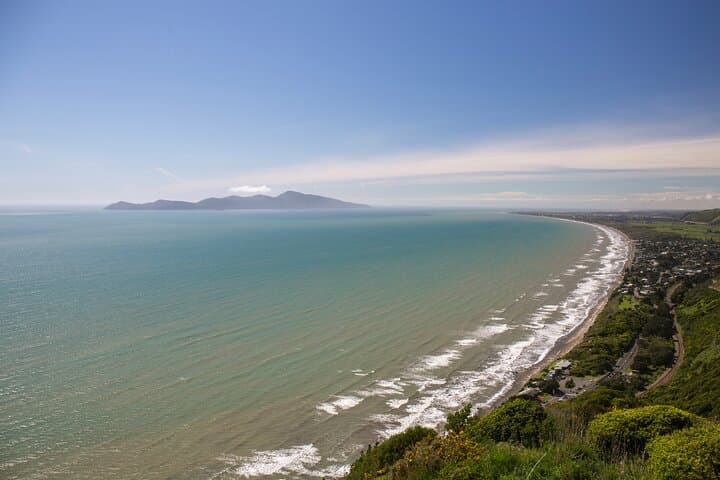
On a cool coastal afternoon the tide pulls and returns like someone breathing slow and deliberate. The van eases onto a narrow access track, dunes rising like small, patient waves beside us; a wind that smells of salt and new grass presses at the windows and dares you to step out. It’s the kind of light photographers chase: long, slanted, forgiving. On this eight‑hour loop from Wellington up the Kapiti Coast and into the Foxton area, the landscape stages itself in frames — ribbon beaches, black gull silhouettes, the long, glassy sweep of estuaries, and dunes that keep their secrets unless you’re willing to walk for them.
This is not merely a photo tour. It’s a day of pattern and texture, where geology and history explain why the coastline looks the way it does and why you can stand on a beach one minute and watch the shadow of a volcanic outcrop ease across a rivermouth the next. The Kapiti Coast is a geological ribbon formed by coastal plains and sand accumulations fed by rivers and strong coastal currents. Foxton’s shoreline, a little farther northeast, is softer still — estuarine, shaped by the Manawatu River where sediment builds long beaches and mudflats that attract shorebirds by the hundreds.
Māori and European histories layer the region. For hundreds of years the tangata whenua moved along these shores following seasonal food sources; later, flax mills in the Foxton area defined an industry that built towns and courted immigration. Today you’ll see small townships and fishing communities whose character remains tied to the coastline: humble cafés, a Dutch windmill in Foxton as an echo of 19th‑century settlement, and conservation projects that try to undo a century of habitat loss.
On the tour you’ll stop at Te Horo, Waitarere and Foxton Beach — beaches that are wide, often empty, and good for composition. The guide gives a brief orientation: how to read the surf, where to place foreground interest, and which estuaries hold the best bird action. There are deliberate pauses for long exposures as the tide pulls away and then, later, for macro practice on wind-sculpted shells and dune plants. Wildlife is a live subject here: bar‑tailed godwits and white‑fronted terns wheel above the surf, and in winter you may glimpse migrating waders building up their energy reserves for the long flights ahead.
Practicality sits beside romance. The tour is eight hours long, and most of that is spent moving between scenic stops and shooting during light windows — golden hour at dawn and dusk, low-tide flats in between. You’ll want layers (coastal weather changes fast), a tripod for long exposures, filters for silky water, and closed footwear that’s comfortable for walking in sand. The tour’s pace is forgiving; you’re not on a cliff edge but on open, horizontal places where light and tide set the tempo.
If you go, time your visit around tides and weather. Low tide exposes mudflats and the glassy surfaces photographers prize. Late afternoon—when the sun drops toward Kapiti Island—gives dramatic silhouettes and long shadows across the dunes. The guides know parking restrictions, dune restoration zones, and the best estuary vantage points so you aren’t chasing legal access or trespassing through fragile habitat.
Booking is straightforward: pick a start point between Wellington and Palmerston North and the tour consolidates logistics. For photographers, there’s value beyond the images: local context about bird migration, dune ecology, and the flax‑milling heritage in Foxton; a quick lesson in coastal ethics — stay off nesting areas, pack out everything, and respect signage. And there’s always the practical payoff: while you’re composing a frame, the guide is handling the route timing and local access, leaving you to think like a photographer.
This day trip is accessible for a range of skill levels. You don’t need pro gear, but technical basics — tripod, polarizer, and a lens for medium telephoto to capture distant birds — make the difference between a holiday picture and a photograph that’s worth printing. In the middle of the route there’s usually time for a picnic or a quick café stop in Foxton, where fish‑and‑chips still tastes like the coast.
Why do this tour instead of driving yourself? The answer is local knowledge: which stretches of beach are open, which estuaries host shorebirds at certain tides, and which access points give you space to shoot without disturbing dune plants or nesting birds. In short, the day turns the Kapiti Coast and Foxton from a list of places into a narrative of light, tide, and living shorelines. If you leave with a memory of wind‑raked sand and a card full of frames, that’s the point: the coast will keep giving, if you come prepared and leave little trace.
Trail wisdom
Small choices, better day.
Time with the tide
Check local tide charts—low tide exposes mudflats and estuary reflections ideal for wide compositions.
Bring a tripod
Long exposures of surf and low‑light sunset frames require a steady base—handheld blur is avoidable.
Respect bird zones
Many shorebirds nest or feed on exposed flats—use your zoom lens and keep distance to avoid disturbance.
Dress in layers
Coastal winds can make a sunny morning feel cold; a light waterproof layer is handy for sea spray.
Local knowledge
Read the place, not just the route.
Watch for native species including Bar‑tailed Godwit, New Zealand Gannet.
Keep an eye out for wildlife during the transition between areas and habitats. Respect distance guidelines.
Dune restoration and bird‑protection measures are active across the coast—stay on marked tracks and heed signage to protect nesting and restoration areas.
Follow the guide's instructions on size limits, ethical handling, and leave-no-trace practices.
Waikanae Estuary Reserve for concentrated birdlife at low tide. Te Horo sand‑dune vantage points for unobstructed sunset lines
Locally recommended viewpoints and quiet spots known best to local operators.
Foxton was once a flax‑milling hub and transport node; coastal Māori settlements have long used these shores for seasonal food and travel.
Maritime roots and regional tradition shape the waterways and working coasts.
Seasonal guide
Four versions of the same landscape.
Spring
Best forMigratory birds returning · Dune wildflowers · Fresh morning light
ChallengesUnpredictable showers · Strong onshore winds
Spring brings bird activity and floral accents on the dunes; pack a waterproof layer and expect variable light.
Summer
Best forLong daylight hours · Warm shooting conditions · Beach textures
ChallengesBusy beaches · Strong midday sun
Summer offers predictable weather and long days but shoot early or late to avoid harsh overhead light and crowds.
Fall
Best forGolden sunsets · Calmer winds at times · Rich color palettes
ChallengesCooling evenings · Shorter golden hours
Autumn provides dramatic light and quieter beaches—bring warmer layers for sunset sessions.
Winter
Best forStormscapes and dramatic skies · Less crowded beaches
ChallengesCold winds and rain · Limited daylight
Winter delivers moodier seascapes and dramatic clouds; prioritize weatherproof gear and warmth.
Operator details
What the booking data adds.
Included
- ✓Free hire of a tripod
- ✓Bottled water
- ✓Lunch
- ✓Snacks
- ✓Transport during the trip with a comfortable 4WD car
- ✓Coffee and/or Tea
Not included
- —Camera
Good to know
- ✓Public transportation options are available nearby
- ✓Suitable for all physical fitness levels
Pack with intention
What to bring.
Good to know
Common questions.
The tour can begin at a pickup point between Wellington and Palmerston North—confirm pickup details at booking and the operator will arrange the exact meeting spot.
Plan the edges
The details that make the day easier.
Kapiti Island, offshore from the Kapiti Coast, is a predator‑free nature reserve and an important sanctuary for endangered New Zealand birds such as the takahē and kōkako.
After a morning of shots head to Paraparaumu or Paekākāriki for strong coffee and local bakery fare; in Foxton, wander the waterfront boardwalk and grab classic fish‑and‑chips before driving back to Wellington.
- Closest airport
- Wellington International Airport; Driving distance: ~45–60 minutes from central Wellington to Kapiti Coast; Cell service: generally good in towns, patchy on isolated beaches; Permits: no special permits for public beaches, but observe parking rules and protected nesting areas; Booking: confirm pickup point with operator.
These beaches include active dune restoration and nesting zones—stay on designated tracks, avoid walking on dune vegetation, and never approach nesting birds; pack out all trash.
Explore by topic
Follow the threads.
Keep exploring
Make the story part of the trip.
In four hours you can move from shaded canyon ferns to wind-scoured coastal ridgelines, guided by someone who knows where the light—and the hidden views—live. This private half-day hike on the Monterey Peninsula or Big Sur is compact, curated, and perfect for travelers who want depth without a multiday commitment.
 Related story
Beneath a sky of shifting light, Skaftafell’s ice reads like a map of time. This three-hour guided glacier hike mixes technical instruction with geology and culture: compact, safe, and unforgettable.
 Related story
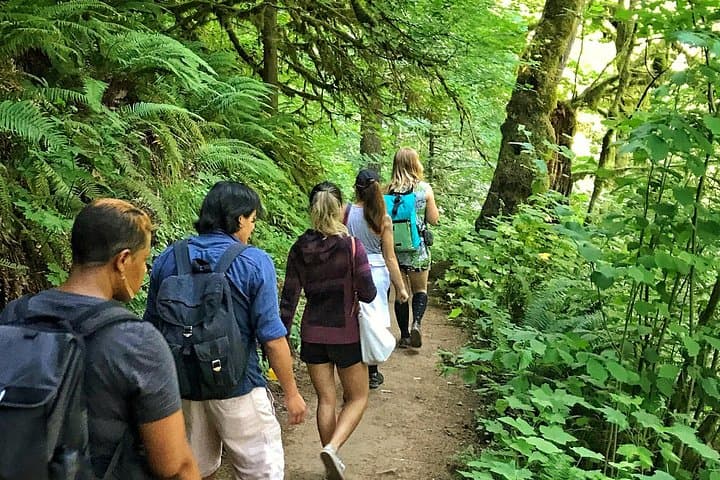
Lose the city for a few hours without leaving it: this 5-mile, 900-foot-gain Forest Park loop threads old-growth pockets, city viewpoints, and cultural landmarks for a compact taste of Portland’s wild side. Expect moss, roots, and stories.