

What the day feels like
On a humid morning in Rio de Janeiro, the city still tastes of salt and early coffee as you step off the winding road into the green hush of Tijuca Forest. The trailhead is modest—a beaten path flanked by ferns and bromeliads—but ahead the mountain announces itself like a punctuation mark: Pedra da Gavea, an 842-meter monolith that rises from the forested spine of the city and looks, from certain angles, like a cliffside face watching the ocean. The first hour is an unspooling of the Atlantic Rainforest: roots that catch your breath, sunlight spilt in strips, and the chatter of birds that seem to measure your progress. As you climb, Rio loosens its hold; the honk and hum recede, replaced by a steady, physical conversation between boot and rock.
Pedra da Gavea is not a postcard peak. It's a living intersection of geology, myth and urban wilderness. Geologically, it's a massive granite-batholith, a solid block sculpted by wind and water through millennia. Culturally it's wrapped in local lore—some stories claim ancient inscriptions, others an imposing human face cut in stone—which only adds to the sense that the mountain is something both natural and narratively alive. If Corcovado and Sugarloaf are Rio’s theatrical gestures, Pedra da Gavea is the city’s private soliloquy; it sits both within the city and defiantly apart from it.
Hiking Pedra da Gavea is an exercise in graduated intensity: accessible for much of the approach, urgent near the summit. Most guided itineraries—such as the city’s standard Pedra da Gavea Hike and the Guided Hiking Tours—take you through 2–3 hours of ascending trails, an exposure section with hand-climbing of roughly 15 meters and, on many descents, a rappel that converts a nervy moment into a thrill. The routes are varied: some guides follow longer, gentler trails through deeper forest, while more adventurous groups opt for the shorter, steeper face that demands hands, footholds and trust in the ropes. The reward is panoramic: from the crown you can map Rio’s classic geometry—the sweep of Ipanema and Leblon, the sweep of Barra to the west, the white teeth of the beaches, the scattered roofs of favelas, and the folded green of Tijuca itself.
The ecology around Pedra da Gavea is a quiet marvel. Tijuca is one of the largest urban forests in the world, a deliberately replanted rainforest that shelters vibrant wildlife—toucans flash like punctuation, small primates inspect the canopy, and sloths cling to trunks with geological patience. Guides included with full-day jungle treks and multi-stop adventure packages often turn the hike into a natural history lesson, pointing out medicinal plants, explaining reforestation efforts and tracing the human history layered into the forest floor.
Practical considerations are straightforward and uncompromising: the climb is physically demanding near the top, and weather changes rapidly. Afternoon storms can sweep the forest in minutes, turning dirt to clay and making exposed rock slippery. Most guides recommend early starts—leave the city by sunrise, be on the trail before mid-morning, and aim for descent before the typical tropical thunderstorms arrive. For first-timers, a guided hike provides not just ropes and helmets but local knowledge: where to cross, when to rest, how to move through the boulder-scramble without wasting energy. For people who want the big picture in a single day, there are also combined experiences—some operators pair the hike with paragliding launch views or full-day jungle adventures that showcase waterfalls and hidden beaches in the same stretch of forest.
What to expect physically: plan on 3–7 hours total depending on the route and your group’s pace. The trail mixes packed dirt and loose stone, then a final granite scramble where footholds are real and focused breathing matters. The climb is suitable for fit beginners with no technical rock-climbing experience if you go with a reputable guide—the short vertical section is routinely handled with safety gear and instruction. Always confirm whether the operator provides harnesses, helmets and ropes; many include them as standard.
There’s an intangible payoff to the exertion. Standing on the summit, the city spreads like a lived-in map and the ocean recedes to a horizon split by headlands. The noise of Rio is still there but diminished, and the wind seems to test you as if to see whether you belong on this ledge. That sense—between accomplishment and awe—is why people return. Whether you book a focused Pedra da Gavea Hike, a Full Day Jungle Adventure Trek that layers in fauna and larger context, or a guided ascent that pairs safety with thrill, the mountain repays sweat with perspective.
For a well-rounded trip, pair the hike with an aerial perspective on a different day. Paragliding launches from nearby ramps—where pilots glide over São Conrado and view Pedra da Gavea from above—deliver a complementary thrill: the mountain becomes a feature in a larger mosaic. And if you want the city summarized in thirty minutes, the sunset helicopter rides that sweep past Corcovado, Sugarloaf and beaches turn the mountain into one element of a dazzling coastline.
Practical edge: train your legs, hydrate, and pack for sun and sudden rain. Respect the forest—stick to trails, carry out waste and keep noise minimal to protect wildlife. Hire certified guides with local credentials and up-to-date safety gear; the climb’s short vertical sections are benign only when managed correctly.
Pedra da Gavea is a peak that asks for a little courage and returns a lot of perspective. It’s not just a hike; it’s a conversation with the city—one that you can join, breath by breath, step by step.
Trail wisdom
Small choices, better day.
Start early
Begin before 8:00 AM to avoid afternoon storms and busy trails.
Use a guide for the summit section
Guides provide ropes, helmets and instruction for the exposed hand-climb and rappel.
Footwear matters
Wear stiff-soled hiking shoes with good grip—rock sections get slick when wet.
Carry water and snacks
Bring at least 1.5–2 L of water and calorie-dense snacks for the ascent and descent.
Local knowledge
Read the place, not just the route.
Watch for native species including toucans, brown-throated sloths.
Keep an eye out for wildlife during the transition between areas and habitats. Respect distance guidelines.
Tijuca Forest is a replanted rainforest with ongoing restoration projects; stick to trails and follow guide instructions to minimize impact.
Follow the guide's instructions on size limits, ethical handling, and leave-no-trace practices.
Look for small waterfalls and natural pools on longer jungle treks. Sunrise views from lower ridges offer quieter panoramas without the summit scramble
Locally recommended viewpoints and quiet spots known best to local operators.
Pedra da Gavea has long been entwined with local myth and colonial-era maps; it’s one of the largest coastal granite monoliths in the world and a symbol of Rio’s rugged coastline.
Maritime roots and regional tradition shape the waterways and working coasts.
Seasonal guide
Four versions of the same landscape.
Spring
Best forwildflowers · birdwatching · moderate temperatures
Challengesintermittent rain · sticky humidity
Spring brings fresh growth and active wildlife; expect warm, humid days and occasional showers.
Summer
Best forlong daylight · lush forest · paragliding flights
Challengesafternoon thunderstorms · high heat and humidity
Summer is vibrant but storm-prone—early starts are essential to avoid thunderstorms and slick rock.
Fall
Best forclearer skies · stable weather · great visibility
Challengescooler mornings · variable trail conditions
Fall often delivers clearer air and excellent summit views—temperatures start to moderate, making hiking comfortable.
Winter
Best fordry trails · crisper air · long-distance views
Challengesshorter daylight · chilly mornings
Winter in Rio is mild and drier, offering crisp visibility—bring a warm layer for the summit breeze.
Pack with intention
What to bring.
Good to know
Common questions.
Most guided hikes take 3–7 hours round-trip depending on route, pace and whether you include descent rappel or additional photo stops.
Plan the edges
The details that make the day easier.
Pedra da Gavea is among the largest coastal monoliths in the world and sits within the re-planted Tijuca Forest—the largest urban forest restoration project globally.
Pair the hike with a neighborhood visit to São Conrado or a late-afternoon caipirinha in Leblon—local guides often share stories of Tijuca’s reforestation and favela culture that add context to the climb.
- Distance
- variable (3–8 km round-trip); Elevation: ~842 m summit; Time: 3–7 hours; Permits: none, but guided groups recommended; Start: early to avoid storms.
Choose licensed local guides, stick to marked trails, and leave no trace—Tijuca’s ecosystem depends on responsible tourism and ongoing restoration efforts.
Explore by topic
Follow the threads.
Keep exploring
Make the story part of the trip.
In four hours you can move from shaded canyon ferns to wind-scoured coastal ridgelines, guided by someone who knows where the light—and the hidden views—live. This private half-day hike on the Monterey Peninsula or Big Sur is compact, curated, and perfect for travelers who want depth without a multiday commitment.
 Related story
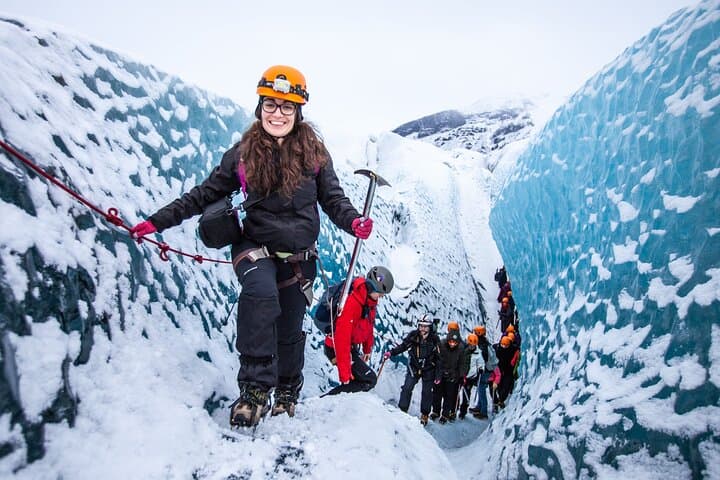
Beneath a sky of shifting light, Skaftafell’s ice reads like a map of time. This three-hour guided glacier hike mixes technical instruction with geology and culture: compact, safe, and unforgettable.
 Related story
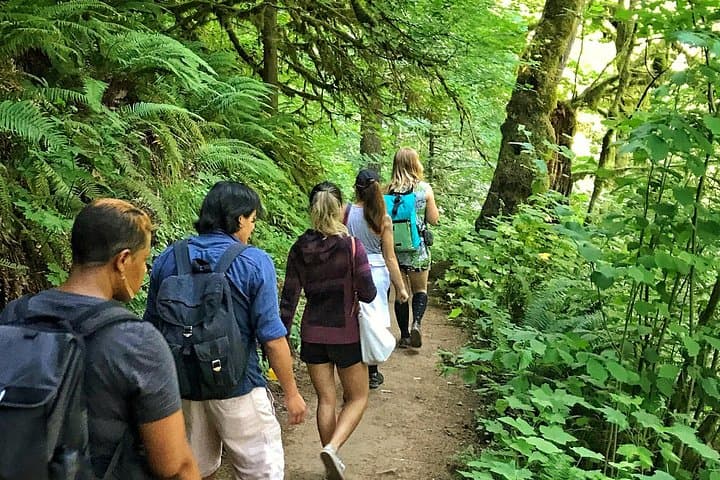
Lose the city for a few hours without leaving it: this 5-mile, 900-foot-gain Forest Park loop threads old-growth pockets, city viewpoints, and cultural landmarks for a compact taste of Portland’s wild side. Expect moss, roots, and stories.