

What the day feels like
You arrive in Santiago de los Caballeros not by fanfare but by a kindness of small details: the smell of roasted coffee drifting from a kitchen window, a ribbon of cigar smoke curling above a factory roof, and the folded silhouette of the Northern Mountains pressing the skyline like an old friend. In the city’s morning light, vendors set up under awnings, clinking metal pots for sopa and arranging plantain stacks for travelers who move between errands and celebration with the same deliberate rhythm. This is not the postcard Caribbean—it's the working heart of the Cibao Valley, and it offers a different kind of draw: hands-on, palate-forward, and quietly epic when you follow the road south.
Santiago sits in a shallow bowl of fertile farmland, the Cibao, flanked by the Cordillera Septentrional to the north and lower ranges to the south. That geography built its identity: cacao groves and coffee plots hang on the hillsides, amber and Larimar have been pulled from nearby seams, and an old craft economy—cigar rolling, small-batch chocolate—still hums in family-scale factories. Travelers who sign up for the Private Tour: Cocoa, Coffee, Local Market and Cigars Factory step directly into that circulation. You walk the rows of cacao trees, their pods like lanterns on the trunks; you cup steaming coffee where it was roasted minutes earlier; you enter a cigar factory where the workers’ hands move with a practised choreography that reads like local history in motion.
That 1-day loop is compact, sensory, and accessible: expect light farm tracks and a short walk through plantations (think 1–3 kilometers on uneven, sometimes muddy ground depending on rains). It’s the best way to taste the region—literally—and to spend a morning learning how a Dominican breakfast connects to a global market. The guide’s role is practical: to translate the farming terms, broker introductions to family producers, and keep the pace humane.
For a different tempo, book the Private Tour 3 Days in the South From Santiago de los Caballeros. This is an intentional unspooling. You’ll fold Santiago into the rearview and cross provincial boundaries toward a radically different coastline—wind farms, desert scrub pulling to bright sand, and some of the most unspoiled beaches in the Caribbean. On this route you’ll hit Mirador San Rafael at dawn to watch the light push across the southern lowlands, touch the raw blue of Laguna de Oviedo where migratory birds wheel, and end at Bahía de las Águilas, a wide bowl of sand and sea in Jaragua National Park that feels like an island imagined before human maps.
The three-day itinerary mixes driving with stretches of walking: trails on coastal dunes, short hikes to viewing platforms, and the odd 15–30 minute walk from a glamping site to a sunset viewpoint. Road conditions vary—paved highways between major towns, narrower two-lane roads closer to the parks—so a comfortable, sturdy vehicle and a patient driver make the difference.
History and geology are stitched into every stop. Santiago grew as an agricultural capital; you’ll hear how the Cibao’s alluvial soil produced wealth and how amber and Larimar—the rare blue stone unique to the DR—shaped local craft. The south tells a different geological story: limestone and coral shelves, wind-eroded ridges, and lagoons held behind sand bars where flamingos and shorebirds forage.
Practical edge: book morning visits for the plantations and markets when temperatures are cooler and the coffee is freshly brewed. Bring cash—local markets and smaller producers often don’t take cards—and a phrasebook or translation app; Spanish will get you farther and open doors. Footwear should be durable but not overbuilt: a pair of trail shoes or stout sneakers will do for plantation paths and beach walks alike. Sun, bugs and a sudden squall are the daily weather possibilities—pack a hat, reef-safe sunscreen, and a lightweight rain jacket.
Cultural exchange is a key currency here. When you buy a bar of chocolate from a micro-factory or tip a roller at a cigar atelier, you direct revenue toward families that tend the land and keep small industries alive. Ask before photographing people working; many will welcome the attention if you ask politely.
For travelers, timing matters. The dry season (roughly December through April) gives clearer roads and dryer trails; hurricane season (June–November) requires flexibility. If you have three days, take the southbound tour slowly—stretch the glamping night into two if you want more sand and fewer miles.
Why go? Because Santiago is a kind of concentrated Dominicanism: food that tells the story of place, craftwork you can track from seed to product, and access to entirely different coastlines within a day or two’s drive. The city itself rewards easy exploration—bustling markets, low-slung colonial facades, and cafés where locals argue sports and politics over cups of coffee. The tours make you a participant rather than a spectator: you taste, you hold, you learn, and the landscape—whether the leafy hush of a cacao grove or the wind-bent scrub around Bahía de las Águilas—reacts to your presence, sometimes friendly, sometimes demanding preparation.
Finish a day with a plate of la bandera and a cold Presidente beer, or insist on a tasting of local rums with a cigar rolled that afternoon. It’s not ostentation; it’s a way of keeping small economies humming. Pack smart, go curious, and let Santiago be the kind of beginning that keeps you traveling, not just touring.
Trail wisdom
Small choices, better day.
Start early
Plantation visits and markets are best in the morning when temperatures are cooler and coffee is fresh; you’ll avoid afternoon showers and crowds.
Carry small bills
Bring enough cash for market purchases, tips, and remote entrances—many local vendors don’t accept cards.
Protect against sun and bugs
Use reef-safe sunscreen, a wide-brim hat, and insect repellent for plantation shade and coastal evenings.
Dress for mixed terrain
Trail shoes or sturdy sneakers are ideal for farm tracks, market cobbles and beach walks to viewpoints.
Local knowledge
Read the place, not just the route.
Watch for native species including American flamingo (seasonal in southern lagoons), Green iguana and other sun-loving reptiles around ruins and coastal scrub.
Keep an eye out for wildlife during the transition between areas and habitats. Respect distance guidelines.
Much of the southern route traverses protected zones like Jaragua National Park—respect signage, stay on marked paths and support local guides who practice low-impact tourism.
Follow the guide's instructions on size limits, ethical handling, and leave-no-trace practices.
Family-run chocolate microfactory on the Cibao foothills—tours include bean-to-bar demos. Mirador San Rafael—a sunrise viewpoint with panoramic views of the southern lowlands before you descend to the coast
Locally recommended viewpoints and quiet spots known best to local operators.
Santiago developed as the agricultural and commercial hub of the Cibao Valley; its growth was shaped by coffee and tobacco economies and later by industrial craft.
Maritime roots and regional tradition shape the waterways and working coasts.
Seasonal guide
Four versions of the same landscape.
Spring
Best forblooming coffee and cacao trees · crowd-light travel
Challengesintermittent showers · muddy plantation tracks after rains
Spring (March–May) offers warm days and flourishing plantations; be prepared for occasional showers that can make farm paths slick.
Summer
Best forlong beach days · birdwatching at coastal lagoons
Challengeshigher heat and humidity · possible tropical storms
Summer brings hot, humid conditions—perfect for coastal exploration but expect afternoon storms and plan flexible travel windows.
Fall
Best forfewer tourists · glamping under clear skies
Challengeshurricane-season volatility · some closed services in remote areas
Fall is quieter and offers good wildlife viewing, but monitor weather forecasts during hurricane season and keep flexible plans.
Winter
Best fordry, comfortable touring · festival and cultural events
Challengeshigher prices in peak months · book accommodation early
Winter (Dec–Feb) is the prime season: dry roads, cooler mornings, and ideal conditions for both plantations and southern beaches.
Pack with intention
What to bring.
Good to know
Common questions.
Expect roughly 4–6 hours by road depending on stops and route; some sections near protected areas can be slower due to narrower roads.
Plan the edges
The details that make the day easier.
Santiago de los Caballeros is the second-largest city in the Dominican Republic and the capital of Santiago Province, long known as the economic center of the fertile Cibao Valley.
Santiago’s food scene centers on hearty Dominican staples—try la bandera (rice, beans, meat) and sancocho, sample fresh chocolate and coffee, and pair an after-dinner cigar with small-batch rum at a local paladar. Music—from merengue to bachata—threads through daily life here.
Support community-based producers, avoid single-use plastics, stay on designated paths in protected areas, and opt for guides who reinvest in local conservation and cultural projects.
Explore by topic
Follow the threads.
Keep exploring
Make the story part of the trip.
In four hours you can move from shaded canyon ferns to wind-scoured coastal ridgelines, guided by someone who knows where the light—and the hidden views—live. This private half-day hike on the Monterey Peninsula or Big Sur is compact, curated, and perfect for travelers who want depth without a multiday commitment.
 Related story
Beneath a sky of shifting light, Skaftafell’s ice reads like a map of time. This three-hour guided glacier hike mixes technical instruction with geology and culture: compact, safe, and unforgettable.
 Related story
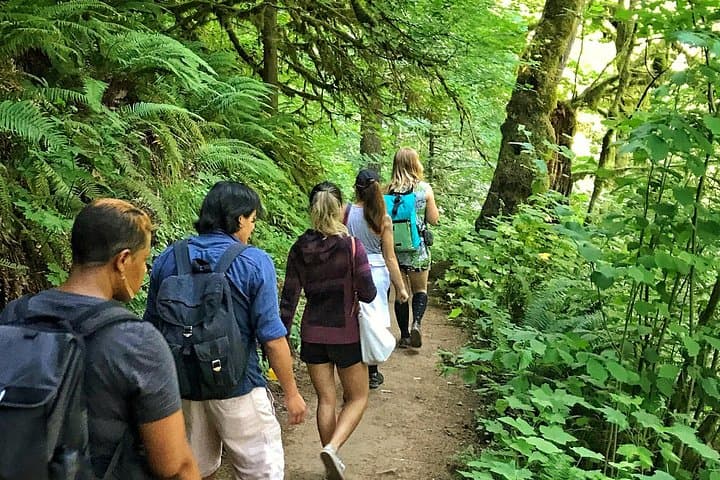
Lose the city for a few hours without leaving it: this 5-mile, 900-foot-gain Forest Park loop threads old-growth pockets, city viewpoints, and cultural landmarks for a compact taste of Portland’s wild side. Expect moss, roots, and stories.