
What the day feels like
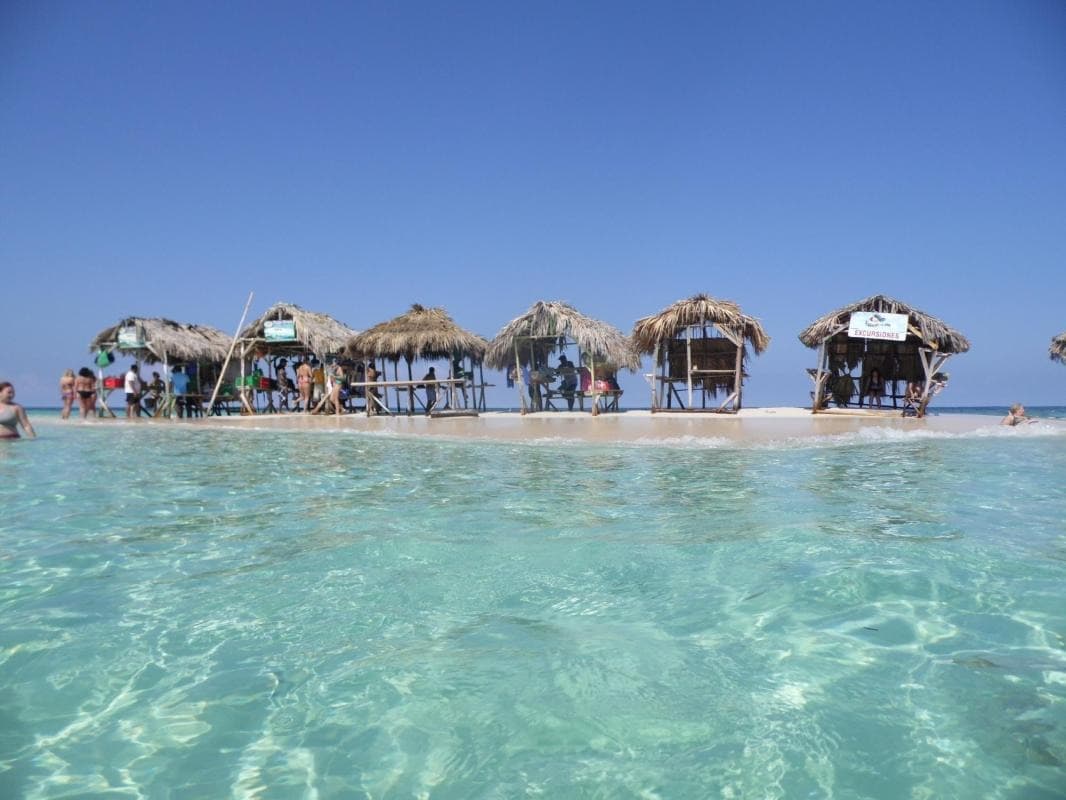
You step off the speedboat and the ocean rearranges itself around you. Turquoise light slides under the hull, and a white ribbon of sand—no bigger than a village green—waits like a borrowed shore. On Cayo Arena, the air smells of salt and sun-warmed coral; the sea around it trembles with small, curious life. Feet sink into powder sand. Ahead, a kaleidoscope of fish points you toward the reef, and behind you the mainland of the Dominican Republic is only a low, tree-lined silhouette. For many visitors, this is what a Caribbean daydream looks like in practice: a tiny, uninhabited sandbank where snorkeling and salty ease are the only schedules.
Cayo Arena, often called Paradise Island or Cayo Paraíso by locals, is a natural sandbar off the North Coast near Punta Rucia. It’s best known for an almost theatrical clarity of water and a living reef that fans out like a coral theater. The island itself is a few meters above sea level and shifts slightly with tides and storms—the kind of place that feels restful because the landscape refuses to compete with you. Instead, the reef insists: it nudges, it dazzles, it demands attention.
Geologically, Cayo Arena is a child of currents and coral. Over centuries, coral growth and wave action deposited sand in a stable shoal that now breaks the ocean surface. That shallow shelf creates the transparent, gently sloping lagoon that snorkelers love. Nearby, the mangrove labyrinths of Monte Cristi National Park act as tidal lungs—filtering water, providing nurseries for reef fish, and anchoring an ecosystem that connects forest to sea. For travelers, the combination is compelling: the mangroves whisper of hidden life, and the reef offers a public aquarium where parrotfish, angelfish, and schools of sergeant majors orbit like a living mural.
Culturally, a day trip here is as much about community as it is about postcard-perfect views. Punta Rucia is a small fishing village where the rhythm of the day is tied to the ocean. Local boat operators, many of them third-generation fishermen, run the speedboats and catamarans that ferry visitors to the cay. Tours range from small private excursions that feel like visiting a friend’s secret spot to luxury catamaran trips that serve lobster and canapés while you drift over the reef. On many itineraries you’ll also find a stop at a seaside restaurant for a Dominican-style buffet—fresh fish, rice and beans, fried plantains—and a chance to buy woven hats or coconut candies from vendors who set up near the beach.
The best way to experience Cayo Arena depends on what you want to carry home. For most, the appeal is a half-day of uncomplicated wonder: a 30–45 minute speedboat trip from Punta Rucia, followed by snorkeling and lounging on the sandbar. For a more curated day, private tours offer flexible time on the cay and guided snorkeling, while catamaran cruises add a bit of ceremony—champagne, floating bars, and VIP lunches with lobster. Every tour I tried made a stop in the mangroves: slow, shaded channels where herons stand like sentries and the mud smells of old tides.
Practicalities count here. Snorkeling on Cayo Arena tracks across shallow, sometimes jagged coral—wear reef-safe sunscreen and reef booties if you have them, and enter the water carefully. Currents can pick up; listen to your guide about where it’s safe to float. If you’re coming from Puerto Plata, Sosúa or Cabarete, allow 1.5–2 hours for the bus ride to Punta Rucia—many day-trip operators include this transfer. Boats typically provide masks, fins, and life vests, but if you prefer your own gear, bring it; well-fitting equipment makes the reef more enjoyable.
Timing is simple but smart: morning light keeps the water glassy and the crowds lower, while late afternoons lend softer colors and calmer seas. Weekends and local holidays are busy; if you want a quieter experience, choose a weekday or book a private tour. Bring water, a small dry bag for your phone, and a lightweight cover-up for the ride back—the sun is relentless.
Respect the reef. Don’t touch or stand on coral, and don’t feed fish. Local guides will often brief you on best practices; follow them. Sustainable snorkeling is the only reliable way to keep this small wonder in its present condition.
For first-timers, a classic itinerary works: pickup in Puerto Plata, a comfortable transfer to Punta Rucia, a speedboat ride through mangrove channels that feel like green cathedrals, two hours on the sandbar and reef, lunch on the beach, and a return that leaves you pleasantly exhausted. For those who prefer to linger, small-group or private tours let you stretch the timeline, explore hidden snorkeling pockets, and ask more questions about fish and mangrove ecology.
Cayo Arena isn’t a mountaintop triumph or a long-distance trek; it’s a place for slow, marine-focused attention. It invites you to float, to watch, to adjust your pace to the current. And when the boat starts back toward the mainland and the sandbar slips into the horizon, the day settles into a clean, Caribbean clarity: you’ve been somewhere fragile, beautiful, and utterly straightforward—the kind of place that rewards good planning, respectful behavior, and a willingness to let the sea lead.
If you go: choose a reputable operator that includes mangrove tours and gear, bring reef-safe sun protection, and leave room in your bag for a small woven souvenir from Punta Rucia. The island will still be there if you return—only the water changes, and that’s part of the charm.
Trail wisdom
Small choices, better day.
Bring your own snorkel if possible
Rental masks can fog or leak—using a well-fitted personal mask makes snorkeling over the reef more comfortable and safer.
Use reef-safe sunscreen
Chemical sunscreens damage coral; choose mineral SPF and apply 15–20 minutes before entering the water.
Mind the tides and currents
Follow guides’ instructions about where to snorkel—currents can be stronger than they look and shift with the tide.
Respect local vendors and guides
Bring cash for small purchases and tipping—this supports Punta Rucia’s fishing community that runs most tours.
Local knowledge
Read the place, not just the route.
Watch for native species including parrotfish, frigatebird.
Keep an eye out for wildlife during the transition between areas and habitats. Respect distance guidelines.
Local operators increasingly follow reef-friendly practices—ask about reef-safe sunscreen rules and avoid tours that allow standing on coral; small tourism fees often contribute to local conservation efforts.
Follow the guide's instructions on size limits, ethical handling, and leave-no-trace practices.
The slow boat channels through Punta Rucia’s mangroves—quiet, shady, and great for birdwatching. A small beachfront restaurant near the Punta Rucia dock that serves fresh fried fish and coconut rice
Locally recommended viewpoints and quiet spots known best to local operators.
Punta Rucia is a traditional fishing community and the local guides are often fishermen whose families have worked these waters for generations; the reef and mangroves have supported livelihoods here for centuries.
Maritime roots and regional tradition shape the waterways and working coasts.
Seasonal guide
Four versions of the same landscape.
Spring
Best forcalmer seas · clear water snorkeling · fewer crowds
Challengesoccasional early showers · variable ferry schedules
Spring (March–May) brings warm sea temperatures and good visibility—ideal for snorkeling—though brief showers can appear in late afternoons.
Summer
Best forlong sunny days · warmest water · lush mangrove growth
Challengesoccasional tropical storms · higher humidity
Summer offers balmy water and vibrant marine life, but plan around the hurricane season window (peak risk is late summer).
Fall
Best forfewer tourists · comfortable temperatures · good value tours
Challengesincreased chance of storms · choppier seas at times
Fall can be quieter and pleasant, though vigilance for storm warnings is wise—book flexible travel arrangements.
Winter
Best fordry, stable weather · crystal-clear visibility · perfect boating conditions
Challengeshigher tourist volume · advance bookings required
Winter (December–April) is peak season for clear skies and calm seas—book early for the best tour options.
Pack with intention
What to bring.
Good to know
Common questions.
From Punta Rucia the speedboat ride usually takes about 30–45 minutes depending on sea conditions; transfers from Puerto Plata add 1.5–2 hours by road.
Plan the edges
The details that make the day easier.
Cayo Arena is a natural sandbank formed by coral growth and ocean currents and is often called 'Cayo Paraíso' (Paradise Island); its shallow reef has earned it the nickname 'the natural aquarium of the Dominican Republic.'
Punta Rucia’s fishermen sell fresh catches and small eateries serve Dominican staples like pescado frito, tostones, and arroz con coco—accepting a short conversation over a plate supports the local community you’re visiting.
- Duration
- 4–8 hours; Start point: Punta Rucia (transfers from Puerto Plata available); Includes: boat, snorkel gear (usually), guide, and often lunch; Accessibility: basic—boat boarding and short wading required.
Choose operators that enforce reef-safe sunscreen, discourage touching coral, and employ local guides—these practices minimize impact and help fund community stewardship.
Explore by topic
Follow the threads.
Keep exploring
Make the story part of the trip.
In four hours you can move from shaded canyon ferns to wind-scoured coastal ridgelines, guided by someone who knows where the light—and the hidden views—live. This private half-day hike on the Monterey Peninsula or Big Sur is compact, curated, and perfect for travelers who want depth without a multiday commitment.
 Related story
Beneath a sky of shifting light, Skaftafell’s ice reads like a map of time. This three-hour guided glacier hike mixes technical instruction with geology and culture: compact, safe, and unforgettable.
 Related story
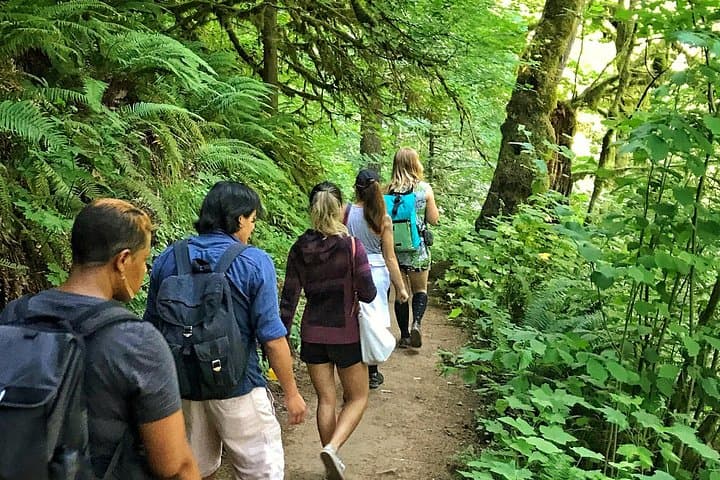
Lose the city for a few hours without leaving it: this 5-mile, 900-foot-gain Forest Park loop threads old-growth pockets, city viewpoints, and cultural landmarks for a compact taste of Portland’s wild side. Expect moss, roots, and stories.