
What the day feels like
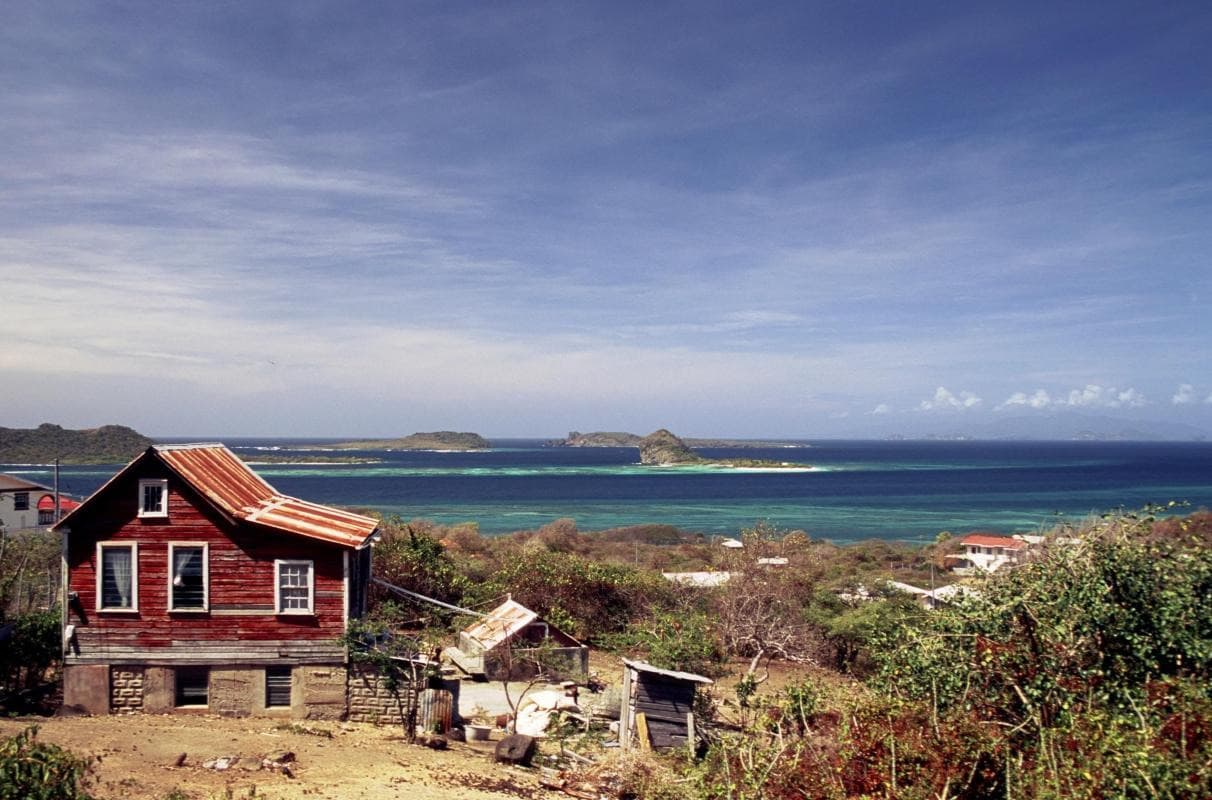
The first light in Carriacou slips over the horizon like someone drawing a curtain on a neighboring world. On deck, the catamaran rocks with the slow exhale of the sea; even before coffee there is a salt taste and the audible busy-ness of birds. Hillsborough—Carriacou’s low-slung village clustered around a working harbor—still sleeps, but the shoreline is already lined with fishing boats, their hulls bright as painted teeth. This is the rhythm you tune into on a seven-day skippered catamaran charter through the Grenada Grenadines: days measured by wind shifts, reef-locked anchorages and the light moving across limestone cays.
Carriacou is less an island than a set of small, human-scaled stories: boatbuilders handing down techniques through generations, fishermen who read swell and cloud with the ease others read a newspaper, and communities that still mark the year with events tied to the sea. Geologically, Carriacou sits atop ancient coral and limestone shelves; you will notice how cliffs and beaches stitch together—white sand between weathered rock, and inland terraced hills softened with mahogany and tropical almond. The island’s coral gardens extend like public art below the surface, drawing turtles, parrotfish and the occasional nurse shark to clear-water rooms where a snorkeler can hover like an amateur astronaut.
The Grenada Grenadines charter is decisively marine: the product on offer—“Grenada Grenadines: 7-Day Skippered Catamaran Charter Cruise”—is a full-service introduction to this chain of islands that are stitched together by short sails and long afternoons. Each day typically runs five to thirty nautical miles depending on your chosen leg, with skipper-managed sails and local navigation that points you to secret coves and sandbars. The days are flexible—morning sails that push you into a new bay by breakfast, afternoons anchored in calm water for snorkels, and evenings when the wind dies and the sky becomes a dark, plotted map of stars.
This journey is part history, part geology lesson and all practical pleasure. Carriacou’s past is visible in its boat-building tradition; walk a shoreline and you’ll find workshops where craftsmen shape hulls for fishing and workboats. Colonial layers—French and British—are more suggestions than impositions here: architecture is modest, the community rhythm is island-time, and local food still centers on fish, root vegetables and spices that reflect the wider Grenadian palette.
For travelers, the appeal is both obvious and subtle. The catamaran grants access to calm anchorages that are unreachable by larger vessels, where you can be the only boat for a stretch and step onto translucent shallows to meet a reef. The skipper’s knowledge turns the itinerary from a map into an experience: they’ll know where to drop a mooring to avoid brittle coral, which tide exposes a sand spit perfect for a picnic, and which bay has the best sunset view with a volcano-shaped cloud framing the horizon.
Practicalities shape good days at sea. Expect early-morning winds and the most consistent sailing between December and May; hurricane season runs June through November, bringing larger swell and afternoon downpours. Onboard life is simple: light, breathable clothing, reef-safe sunscreen, and footwear to shift between teak deck and sandy shore. Many charters include snorkeling and paddleboards; ask about dive equipment if you want to go deeper. Because the boats are skippered, you can be as active or as relaxed as you like—wake up for a fresh-sailed morning or sleep in while the crew slips the mooring and heads for the next cove.
There are unglamorous things to think about that will keep the trip smooth: tarps for wet gear, a dry bag for your camera, and basic sea-sickness prevention for anyone who gets queasy on rolly nights. Cash can be useful in Hillsborough for market snacks and rum punches; credit cards work at marinas but not at the smallest shops. Respect local conservation rules—use the mooring buoys where provided, avoid standing on reefs, and limit single-use plastics. In a place where fishing is livelihood, the balance between tourism and sustainability matters.
A week aboard the catamaran gives you options: long sails to sight lines you can’t reach from shore; short hops to spend a whole afternoon with a reef; evenings in small restaurants eating freshly grilled fish and talking sailing routes with the skipper. If you like, you can step ashore for short hikes—hills on Carriacou are low but rewarding, offering panoramic views in short bursts—and return to the reassurance of a stable, floating base.
Who should do this trip? Families who want a safe, crewed experience; active travelers who want daily snorkeling, paddling, and easy hikes; sailors who appreciate local seamanship and wind-based travel. For anyone curious about island culture beyond a single resort strip, this kind of charter opens doors: you don’t just see Carriacou, you arrive at the places people actually use.
In practical terms, pick a dry-season week if consistent wind and clear skies matter to you. If the idea of waking to a new coastline each morning—one marked by a lone tamarind tree, a wooden boat on the beach, and the smell of grilled fish—appeals, a skippered week in the Grenada Grenadines will reward you with small, precise pleasures: a reef you can practically step into, a quiet anchorage at dusk, the low art of island life lived by those who have always moved with tides.
Trail wisdom
Small choices, better day.
Use mooring buoys
Always take the designated moorings when available to protect coral; ask the skipper for the right approach angle.
Pack reef-safe sunscreen
The islands depend on coral health—bring reef-safe SPF to protect marine ecosystems while snorkeling.
Manage sea sickness proactively
Take medication or use acupressure bands before the first sail if you tend to get queasy; mornings are usually calmer.
Bring a dry bag for electronics
Keep cameras, phones, and documents dry during transfers between boat and shore to avoid salt damage.
Local knowledge
Read the place, not just the route.
Watch for native species including Hawksbill and green sea turtles, Frigatebirds and brown pelicans.
Keep an eye out for wildlife during the transition between areas and habitats. Respect distance guidelines.
Support reef protection by using mooring buoys, choosing reef-safe sunscreen, and patronizing local tour operators who follow sustainable anchoring practices.
Follow the guide's instructions on size limits, ethical handling, and leave-no-trace practices.
Sandy sandbanks and nearshore coral gardens accessible at low tide. Local boat-building yards where you can see traditional hull carpentry
Locally recommended viewpoints and quiet spots known best to local operators.
Carriacou has a long maritime tradition and is known for its boat-building heritage; the island’s culture reflects a mix of West African and European colonial influences.
Maritime roots and regional tradition shape the waterways and working coasts.
Seasonal guide
Four versions of the same landscape.
Spring
Best forStable trades · Snorkeling · Island hikes
ChallengesOccasional showers early spring · Higher demand for charters
Late spring (April–May) often brings steady trade winds and clear water—great for sailing and snorkeling, but book ahead as availability tightens.
Summer
Best forWarm water · Long daylight · Lower prices
ChallengesOnset of wet/hurricane season · Shorter windows of calm
Summer offers warm seas and longer days, though the risk of tropical storms rises and afternoon squalls become more common.
Fall
Best forFewer crowds · Quiet anchorages · Good marine life viewing
ChallengesHigher hurricane risk (Sep–Nov) · Unpredictable winds
Fall can be quieter and rewarding for wildlife, but keep an eye on weather forecasts and flexible plans due to storm season.
Winter
Best forConsistent winds · Clear skies · Great sailing
ChallengesPeak season crowds · Higher costs
Winter (Dec–Feb) is peak sailing season with steady trade winds and clear conditions—perfect for reliable days under sail.
Pack with intention
What to bring.
Good to know
Common questions.
No—these are skippered charters, so a qualified captain manages navigation; basic mobility to get on and off small tenders is helpful.
Plan the edges
The details that make the day easier.
Carriacou is the largest of the Grenadine islands belonging to Grenada and has a long tradition of wooden boat building that continues to this day.
Carriacou’s kitchens center on fresh-caught fish, coconut, and root vegetables; sample the island’s grilled fish, local rum punches, and market-made coconut drops, and don’t miss conversations with local boatbuilders who may invite you to see their work.
- Nearest hub
- Hillsborough, Carriacou. Language: English. Currency: Eastern Caribbean dollar (XCD) widely used; USD often accepted. Power: 110V
- 220V varies—bring adapters. Cell
- Patchy outside towns—download charts offline.
Choose operators who use mooring buoys and promote reef-safe practices; avoid anchoring on coral, minimize single-use plastics, and support local communities by eating ashore and hiring local guides.
Explore by topic
Follow the threads.
Keep exploring
Make the story part of the trip.
In four hours you can move from shaded canyon ferns to wind-scoured coastal ridgelines, guided by someone who knows where the light—and the hidden views—live. This private half-day hike on the Monterey Peninsula or Big Sur is compact, curated, and perfect for travelers who want depth without a multiday commitment.
 Related story
Beneath a sky of shifting light, Skaftafell’s ice reads like a map of time. This three-hour guided glacier hike mixes technical instruction with geology and culture: compact, safe, and unforgettable.
 Related story
Lose the city for a few hours without leaving it: this 5-mile, 900-foot-gain Forest Park loop threads old-growth pockets, city viewpoints, and cultural landmarks for a compact taste of Portland’s wild side. Expect moss, roots, and stories.