

What the day feels like
The boat threads a narrow tongue of water between shoulders of black lava, and for a moment the world condenses to the bright blue bowl of the channel. Sea lions bubble up like curious punctuation marks, the water smells faintly of salt and guano, and gulls tilt on steady thermal breaths. This is Canal del Amor — a brief, intimate slice of the Galápagos that feels less like a tourist stop and more like stepping into a marine theater where the cast never calls cut.
On Santa Cruz Island, Canal del Amor sits close to Puerto Ayora but it performs with the intimacy of a secret. You approach from a small panga or zodiac, eyes adjusting from sun to the emerald clarity of the shallows, and the first impression is geological: wind-sculpted lava, honeycombed by ancient flows and pitted by salt. The channel itself is a product of the islands’ volcanic temperament — basalt tubes and collapsed lava margins cleave the shoreline into channels where the sea swirls and eddies, drawing in schools of fish and, inevitably, the actors that make the Galápagos famous.
History here is short and elemental. Humans have used these inlets as shallow harbors and fishing coves for generations, but the islands’ real fame comes from deeper time: the Galápagos was the laboratory that helped shape Darwin’s thinking on natural selection. Today the chain is protected by the Galápagos National Park and buffered by local conservation efforts centered in Puerto Ayora, home of the Charles Darwin Research Station. Canal del Amor is small in scale but large in the immediate, visceral lessons it offers on how geology shapes ecosystems — jagged lava funnels plankton-rich upwellings that feed juvenile fish, which in turn inspire hungry marine iguanas, rays, and playful sea lions.
Culturally the area hums with the rhythms of a small island town. Guides who grew up in Puerto Ayora know where to park the panga to avoid scaring a nursing pair of sea lions, and local pangueros have the soft skills of small-boat captains: timing wind, reading swells, and translating that knowledge into moments where you can slip off the boat and into the water with an animal that has never learned to mind humans’ personal space.
The practical side of Canal del Amor is refreshingly simple. Most visits are part of a bay tour out of Puerto Ayora (half- to full-day options), often combined with snorkeling, a short shoreline walk over jagged black rock, and a visit to nearby sites like Tortuga Bay or the lava tunnels inland. The walkable terrain around the channel is short — expect 10–20 minutes of careful scrambling over basalt if you step ashore; there’s no elevation gain to speak of. Waters are generally calm in the morning; expect clarity and surface temperatures from about 22–26°C depending on the season. Snorkelers should be comfortable in open water for short swims and prepared for small currents.
Why go? Because Canal del Amor compresses the Galápagos experience into a concentrated hour: volcanic landscape, close wildlife encounters, and water that invites you in. The channel’s small scale makes encounters feel personal — not the distant viewing of big-boat tours but the close-range curiosity of sea lions and reef fish. For photographers and snorkelers alike, this is where simple composition and patient observation pay off.
Planning notes: Most travelers book Canal del Amor as part of a Santa Cruz bay tour or a half-day snorkel-and-coast combo. Tours launch from Puerto Ayora’s docks; travel time is measured in minutes rather than hours. Bring reef-safe sunscreen, a lightweight wetsuit or rashguard if you’re visiting during the cooler months, and sturdy water shoes for stepping on hot or sharp lava. Mornings are best for calm seas and clearer water; afternoons can bring wind that roughens the channel. Park entry fees and some landing restrictions apply — guides will handle permits, but it’s wise to carry small change for any local fees or tips.
Safety and conservation: Keep a respectful distance from wildlife, avoid touching or feeding animals, and stay on marked paths if you step ashore. The Galápagos’ delicate ecosystems have no tolerance for invasive species or careless behavior — stick to reef-safe products and avoid bringing food onto the shore.
What to expect physically: This is not a mountain trek. If you’re comfortable getting in and out of a small boat and swimming short distances, Canal del Amor will reward you with ease. If you need more of a challenge, Santa Cruz’s highlands and lava tunnel hikes are a short drive away and pair well with a bay tour.
In practice, Canal del Amor is best enjoyed with an itinerary that balances a little movement and a lot of stillness: a morning snorkel, a slow float through the channel, then lunch back in Puerto Ayora sampling ceviche or locally caught fish. The Galápagos can be loud with its own natural wonders; here, in the channel carved by fire and tide, the islands speak softly but directly. Listen, and you’ll leave with an uncomplicated certainty: that the best wildlife encounters are earned by being present, patient, and respectfully small in the face of nature’s persistent, playful system.
Trail wisdom
Small choices, better day.
Go early for calm water
Morning launches usually mean clearer water and softer winds, making boat transfers and snorkeling easier.
Wear water shoes
The shoreline is sharp basalt; sturdy water shoes protect feet when boarding or exploring short rock ledges.
Use reef‑safe sunscreen
Protect coral and marine life by choosing mineral-based sunscreen; you may be asked to rinse off before snorkeling.
Respect wildlife distance
Sea lions and iguanas are curious but untouchable — keep at least 2 meters and let animals set the pace.
Local knowledge
Read the place, not just the route.
Watch for native species including Galápagos sea lion, Marine iguana.
Keep an eye out for wildlife during the transition between areas and habitats. Respect distance guidelines.
The Galápagos National Park limits visitor numbers and enforces strict rules — staying on paths, not feeding wildlife, and using reef-safe products help protect the islands.
Follow the guide's instructions on size limits, ethical handling, and leave-no-trace practices.
Tortuga Bay — a white-sand walk with calm snorkeling coves. Lava Tunnels inland on Santa Cruz — ancient flows turned into sculpted passageways
Locally recommended viewpoints and quiet spots known best to local operators.
Santa Cruz’s Puerto Ayora grew as a fishing town and now hosts the Charles Darwin Research Station, a hub for island conservation and research.
Maritime roots and regional tradition shape the waterways and working coasts.
Seasonal guide
Four versions of the same landscape.
Spring
Best forWarmer waters · Snorkeling with juvenile fish
ChallengesAfternoon showers · Higher humidity
Spring (roughly Dec–May) brings warmer seas and clearer conditions for snorkeling, with occasional short rain showers in the afternoons.
Summer
Best forCalmer seas · Lush highland hikes
ChallengesHigher tourist numbers · Warmer daytime temperatures
Summer provides warm water and comfortable boating; expect busier docks in Puerto Ayora as visitor season peaks.
Fall
Best forWildlife activity · Good visibility for snorkeling
ChallengesCooler currents · Occasional wind
Fall offers active marine life and good underwater visibility, though currents can pick up and surface temps dip slightly.
Winter
Best forBirdwatching · Seeing marine predators
ChallengesCooler water temperatures · Rougher seas some days
Winter (June–Nov) delivers nutrient-rich waters that attract pelagics and diving birds; wear a thin wetsuit for comfort.
Pack with intention
What to bring.
Good to know
Common questions.
Most tours launch from Puerto Ayora’s docks; a short boat ride (often under 30 minutes) brings you into the bay and to the channel.
Plan the edges
The details that make the day easier.
The Galápagos Islands were designated a UNESCO World Heritage Site in 1978, recognizing their global importance for biodiversity and evolution.
Puerto Ayora’s seafood scene centers on fresh ceviche and grilled fish; try a seaside lunch after your canal visit and visit the Charles Darwin Research Station to connect with local conservation culture.
- Launch
- Puerto Ayora docks | Duration: half-day options | Fitness: basic swimming | Permits: covered by guides | Cash: small local fees may apply.
Choose operators that follow Galápagos National Park rules, insist on reef-safe sunscreen, avoid single-use plastics, and follow guide instructions to minimize your impact.
Explore by topic
Follow the threads.
Keep exploring
Make the story part of the trip.
In four hours you can move from shaded canyon ferns to wind-scoured coastal ridgelines, guided by someone who knows where the light—and the hidden views—live. This private half-day hike on the Monterey Peninsula or Big Sur is compact, curated, and perfect for travelers who want depth without a multiday commitment.
 Related story
Beneath a sky of shifting light, Skaftafell’s ice reads like a map of time. This three-hour guided glacier hike mixes technical instruction with geology and culture: compact, safe, and unforgettable.
 Related story
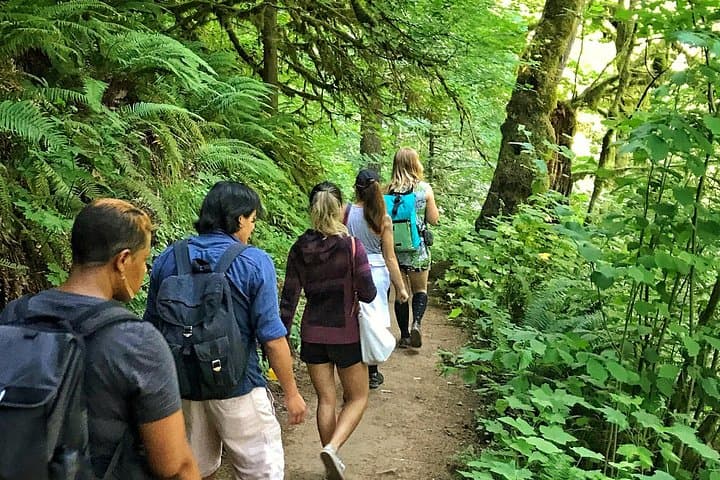
Lose the city for a few hours without leaving it: this 5-mile, 900-foot-gain Forest Park loop threads old-growth pockets, city viewpoints, and cultural landmarks for a compact taste of Portland’s wild side. Expect moss, roots, and stories.