

What the day feels like
You hear it before you see it: a distant, steady thunder that grows and folds over the ridgeline like someone tossing a stack of drums downhill. Walk the last gravel switchback and Boka arrives—an abrupt, vertical wall of water spilling from a fractured limestone bowl, a single cataract that tumbles roughly 106 meters into a gorge carved by glaciers and centuries of melt. Spray perfumes the air with cold mineral freshness. Moss clings to rock where sunlight can reach. Around you the Julian Alps stand silent witness, sharp peaks and glaciers softened by the Soča Valley’s emerald light.
Boka Waterfall is not a postcard quiet. It is a statement—powerful, abrupt and very much alive. For travelers who prize both spectacle and logistics, Boka delivers a high-impact nature show without demanding a multi-day trek. Its reach is immediate: viewpoints offer sweeping panoramas; narrow paths thread close enough to feel the spray on your face; downstream, the Soča River dares you to follow its luminous current into the valley.
Geology and a hard-bitten past shape the place. Boka sits where karst limestone meets glacial runoff, a natural funnel that concentrates winter snowmelt and summer thunderstorms into a dramatic single drop. The gorge beneath the fall was cut by episodic torrents and cold-weather freeze-thaw cycles; its cliffs still wear the scars of ancient ice. Historically, the Soča Valley—and the roads that thread past Boka—saw front-line movement during World War I’s Isonzo campaigns. Today those scars are cultural traces: stone farmways, mountain hamlets and war memorials tucked into the landscape remind you this is a lived, remembered place as much as it is a scenic destination.
Visitors who come for Boka rarely stop there. The waterfall is a hub for doing—the brightest bead in a string that includes biking, rafting, canyoning and fly-fishing. An e-bike loop from Bovec stitches together Virje and Boka with cinematic sites (a filming location for The Chronicles of Narnia) and picnic stops where local salami and apple strudel feel like rewards earned. Whitewater rafting on the Soča is around-the-corner stuff: afternoon runs carry adrenaline junkies past emerald currents and house-sized boulders with optional jumps for the reckless. For quieter connection, Gušti Fly Fishing Adventures will guide you through braided Isonzo tributaries where patience and a dry fly yield memorable hooks and river-born stories. If you want motorized access into rougher terrain, quad tours out of Bovec climb dirt tracks to viewpoints that lend you the fall, the valley and the ridgeline all at once.
Practicalities are what make Boka ideal for a wide audience. Approaches are short—most visitors can experience the main viewpoint with a brisk 20–45 minute walk from roadside parking. Trails can be steep, rocky and wet near the falls, so good shoes and a light waterproof layer matter. Spring and early summer bring the fullest flows; late summer and autumn trade volume for golden light and calmer pools downstream. Winter locks the high passes but can turn Boka into a frozen spectacle—staggering, but only for those prepared for icy access and shortened daylight.
How to make the most of it: arrive early or late to avoid mid-day tour groups; use a guided e-bike or minivan tour if you want to sample several valley highlights in a day without fuss; and if you’re rafting, book in advance during peak summer. Bring a small waterproof bag for cameras—spray and lenses do not get along—and plan a picnic near the Soča’s edge after your hike: smoked local sausage, mountain cheese and a slice of apple strudel are an unexpectedly satisfying Alpine lunch.
Beyond logistics, this valley rewards slow noticing. Watch for kingfishers threading the Soča’s banks, or chamois high on the cliffs. Take a minute at the Boka viewpoints to listen—different currents within the fall produce different pitches; the sound changes with the season and the cloud cover. That’s the kind of detail that turns a single visit into a lingering memory.
If your trip is about collecting experiences rather than places, let Boka be the axis. Start a day with an e-bike tour that drops you at Virje and Boka, then float the afternoon on the Soča in a raft, or swap adrenaline for calm with a guided fly-fishing shore wade. For families, beginner canyoning in nearby Sušec offers supervised rope descents and natural waterslides that feel like play; for photographers, the fall’s light and spray create dynamic frames from early-morning low sun to late-afternoon backlight.
Boka is not merely a photograph. It is a physical presence that demands a little planning and rewards you with immediate alpine drama. Come with sensible footwear, layers, and a readiness to leave the road for short, wet paths. Let the valley guide you toward either pulse-quickening adventure or slow riverside afternoons—either way, the waterfall does the rest, roaring approval into the Julian Alps.
Trail wisdom
Small choices, better day.
Waterproof your kit
Bring a small dry bag or rain cover for camera and electronics—spray from the falls is constant and can damage gear.
Sturdy, grippy footwear
Expect wet, rocky trails and a short elevation gain; hiking shoes with good tread will keep you sure-footed.
Timing matters
Visit early morning or late afternoon to avoid crowds and capture the best light for photos.
Combine activities smartly
Book an e-bike or van tour to hit multiple valley highlights without logistical hassle if you have one day.
Local knowledge
Read the place, not just the route.
Watch for native species including Chamois (mountain goat-antelope), Kingfisher along Soča banks.
Keep an eye out for wildlife during the transition between areas and habitats. Respect distance guidelines.
The Julian Alps and Soča River are protected by Triglav National Park policies and local conservation efforts—stay on trails and avoid leaving waste to protect fragile karst systems.
Follow the guide's instructions on size limits, ethical handling, and leave-no-trace practices.
Virje Waterfall—an intimate cascade often quieter than Boka. Šunik Water Grove and the Great Soča Gorge—clear pools and swimming spots downstream
Locally recommended viewpoints and quiet spots known best to local operators.
The Soča Valley carried key supply routes and fierce fighting during World War I’s Isonzo Front; today stone farmhouses and memorials dot the landscape.
Maritime roots and regional tradition shape the waterways and working coasts.
Seasonal guide
Four versions of the same landscape.
Spring
Best forFull, dramatic flows · Wildflowers near trailheads · Cool hiking conditions
ChallengesMud and swollen streams · Unpredictable weather
Spring snowmelt fuels Boka to its most dramatic flows; trails can be muddy and weather changeable—pack layers and waterproofs.
Summer
Best forE-bike and bike tours · Whitewater rafting on Soča · Long daylight for multi-activity days
ChallengesPeak crowds · Lower late-summer flows some years
Summer is great for combining activities—raft, bike and hike in one long day—but book excursions in advance during July–August.
Fall
Best forGolden alpine light · Quieter trails · Cool, crisp days for photography
ChallengesShortening daylight · Possible early snow at higher elevations
Autumn brings softer light and fewer visitors; flows moderate, but clear skies make for excellent panoramic views.
Winter
Best forFrozen waterfall vistas · Snowshoe or winter photography · Off-season solitude
ChallengesIcy access and closed services · Short daylight hours
Winter can turn Boka into an icy spectacle, but approach requires winter gear and local guidance for safe access.
Pack with intention
What to bring.
Good to know
Common questions.
From the closest roadside parking the main viewpoint is typically a 20–45 minute round-trip walk, depending on your pace and how far you explore the lower gorge.
Plan the edges
The details that make the day easier.
Boka Waterfall is considered Slovenia’s most powerful single-drop waterfall, with a drop of roughly 106 meters (about 348 feet).
After a day of waterfalls and rivers, sample Bovec’s mountain cuisine—smoked sausages, local cheeses and the apple strudel served at roadside huts—paired with Soča trout when available.
- Nearest base
- Bovec (10–20 min by car). Accessibility: short but rocky trails from roadside parking. Bookings: raft
- e-bike slots fill in summer. Safety
- waterproof gear advised.
Stick to marked paths, pack out all trash, avoid cliff-edge selfies, and choose local guides who follow Leave No Trace principles to protect karst and river habitats.
Explore by topic
Follow the threads.
Keep exploring
Make the story part of the trip.
In four hours you can move from shaded canyon ferns to wind-scoured coastal ridgelines, guided by someone who knows where the light—and the hidden views—live. This private half-day hike on the Monterey Peninsula or Big Sur is compact, curated, and perfect for travelers who want depth without a multiday commitment.
 Related story
Beneath a sky of shifting light, Skaftafell’s ice reads like a map of time. This three-hour guided glacier hike mixes technical instruction with geology and culture: compact, safe, and unforgettable.
 Related story
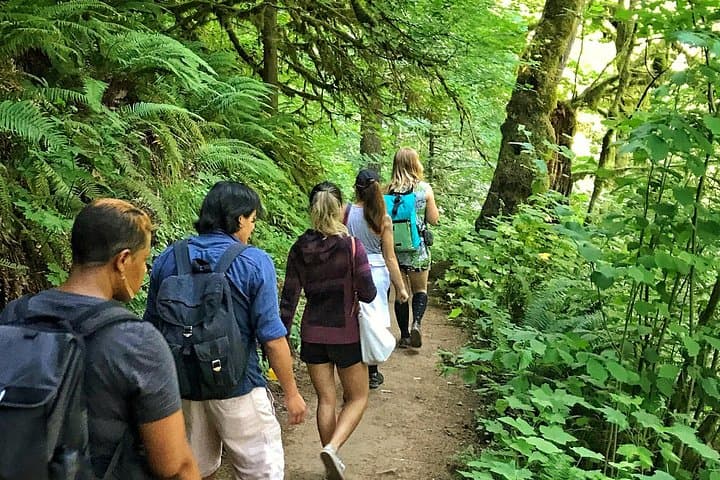
Lose the city for a few hours without leaving it: this 5-mile, 900-foot-gain Forest Park loop threads old-growth pockets, city viewpoints, and cultural landmarks for a compact taste of Portland’s wild side. Expect moss, roots, and stories.