

What the day feels like
The first time you arrive at Boca de Yuma the sea speaks first. It’s a low, confident voice: small waves threading their way into a shallow cove, a working pier creaking as fishermen haul in yesterday’s haul, and gulls that treat the horizon like a slow-turning map. You step off a shaded dirt road and the village opens in layers—tangled bougainvillea, hand-painted signs offering fried fish and cold coladas, and a spine of limestone cliffs that keeps the Atlantic at bay. In a country of glossy resorts and manicured beaches, Boca de Yuma is a pocket of lived-in coast where the shoreline still sets the rhythm.
This is not a one-stop postcard beach. Boca de Yuma sits on the eastern flank of Cotubanamá National Park, a stretch of protected coastline and reef renowned for its biodiversity and Taíno ruins. The village’s identity is both maritime and geological: cliffs folded from ancient coral and limestone, sands made of crushed shell, and a river mouth that, depending on the season, runs like a cautious vein into the sea. For travelers who want less spectacle and more story, Boca de Yuma delivers—walkable lanes, a tiny museum of local life, and a harbor where every boat has a name and a lineage.
The 6-in-1 Boca de Yuma Adventure—an intimate, private-guided loop—fits this place like a glove. Over the course of a half-day or fuller day, you’ll hop from calm-water snorkeling to a short coastal hike, shadow local fishermen on their patch of reef, and visit lookout points that the guide knows by nickname rather than coordinates. The route is modular: think a series of small, delightfully compact experiences that together reveal why this seam of coastline still feels like a local secret.
Geology here is patient and readable. The limestone cliffs are not dramatic peaks but a map of slow water and reef growth: caves where waves have eddied for centuries, fossilized corals visible in the rock face, and a coastline that alternates between pocket beaches and rock shelves carpeted in sea life. Culturally, Boca de Yuma carries the imprint of Taíno heritage, Spanish colonial trade routes, and generations of Dominican fisherfolk. You’ll notice wooden boats painted in bright primary colors, families who have worked the same nets for decades, and small altars where offerings are left to sea saints.
On the practical side: the adventure is approachable for most people. There are no long alpine ascents or technical climbs—expect short shoreline walks (0.5–2 miles total on foot), a series of boat hops of 20–60 minutes each, and snorkeling in calm, shallow reefs. The terrain is coastal sand and limestone slabs; footwear that protects toes and grips uneven rock is useful. Weather is the real variable—trade-wind afternoons can bounce the sea a bit, and the hurricane season (June–November) brings heavier seas and more rain. Morning departures sidestep heat and afternoon wind.
Why go? Because Boca de Yuma is a place that resists the vacation industry’s urge to flatten experience. Here you can stand at a quiet river mouth and watch seabirds wheel in the land’s breath, walk behind a fisherman as he selects nets with the same care an artisan uses on a fine tool, and snorkel reefs that still show the thumbprint of relatively low visitation. The guides offered in the 6-in-1 tour bring the context—Taíno stories, reef biology, and a cultural eye for the village’s best kitchens—so the swimming, exploring, and learning don’t exist in isolation.
Timing and logistics are straightforward. Pick a morning slot for calmer water and softer light; bring sun protection, reef-safe sunscreen, and a small waterproof bag for phone and keys. The boat segments are brief and comfortable; if you’re prone to motion sickness, a patch or ginger will help. Bring cash in Dominican pesos for unplanned snacks—fisherman-cooked fish or freshly fried yucca tastes better because you ate it where it was made.
Sustainability is part of the local conversation. Cotubanamá’s reefs have felt pressure from tourism, development, and fishing practices. Good guides emphasize low-impact snorkeling—no touching coral, avoid anchor damage by landing on sand bars—and support for local businesses that hire families rather than displacing them. A modest fee for a guided cultural stop goes a long way toward keeping this place less visited and more authentic.
If you want a compact coastal adventure that balances water time, cultural exchange, and short walks, Boca de Yuma rewards patience. It’s a day that’s generous with discovery but humble in scale—an antidote to checklist travel, and an invitation to slow the pace. Leave extra time after your tour to linger on the pier at sunset. The sea will keep talking; the village will let you listen.
Trail wisdom
Small choices, better day.
Start early for calm water
Morning departures offer softer light, calmer seas for snorkeling, and cooler walking conditions in the village.
Wear reef shoes
Limestone shelves and reef sand can be sharp—light, grippy water shoes protect toes and stabilize footing.
Use reef-safe sunscreen
Protect skin and coral by choosing mineral-based sunscreen and reapplying in shade or with a rash guard.
Carry small local cash
Many village stands accept only pesos for snacks, tips, and small purchases—keep 500–1,000 DOP on hand.
Local knowledge
Read the place, not just the route.
Watch for native species including hawksbill and green sea turtles, brown pelicans and frigatebirds.
Keep an eye out for wildlife during the transition between areas and habitats. Respect distance guidelines.
Operations here emphasize low-impact snorkeling and responsible boating; support local guides who reinvest tourism income into community and reef-protection efforts.
Follow the guide's instructions on size limits, ethical handling, and leave-no-trace practices.
The river-mouth beach west of the pier—quiet sandbanks exposed at low tide for easy shore snorkeling. A cluster of hand-painted murals in the village that tell local fishing stories—ask your guide for the route
Locally recommended viewpoints and quiet spots known best to local operators.
Boca de Yuma sits on the eastern edge of Cotubanamá National Park and has long been a small fishing hub with Taíno and colonial-era cultural layers reflected in local customs and place names.
Maritime roots and regional tradition shape the waterways and working coasts.
Seasonal guide
Four versions of the same landscape.
Spring
Best forcalmer seas · birdwatching · early-season snorkeling
Challengesheat spikes · occasional rain showers
Spring (March–May) brings warm water and fewer tourists; mornings are ideal for clear snorkeling.
Summer
Best forlong daylight · vibrant village life · marine visibility on calm days
Challengeshigher humidity · hurricane-season onset (June onward)
Summer offers longer days but watch forecasts—storms and stronger afternoon winds increase risk.
Fall
Best forfewer crowds · migratory bird activity · off-season boat rates
Challengeshurricane season continues through November · choppier seas possible
Fall can be quieter and rewarding if you track weather; avoid booking during tropical storms.
Winter
Best fordry, sunny conditions · best overall visibility · comfortable temperatures
Challengespeak tourist demand December–March · book early for private tours
Winter is the sweet spot—drier weather and steady seas make for dependable snorkeling and boating.
Pack with intention
What to bring.
Good to know
Common questions.
Boca de Yuma is a roughly 40–60 minute drive east of La Romana; many tours include hotel pickup or a meet point in town.
Plan the edges
The details that make the day easier.
Boca de Yuma lies adjacent to Cotubanamá National Park, one of the Dominican Republic’s largest marine and coastal protected areas, known for its coral reefs and Taíno archaeological sites.
Expect simple beachfront kitchens serving fresh fish fritters, cold coconut water, and conversations that start with the sea—the village’s food and festivals are tied to fishing cycles and Catholic and Afro-Indigenous coastal traditions.
Choose operators that practice reef-safe anchoring, avoid touching coral, and employ local guides—small choices help preserve the reef and local livelihoods.
Explore by topic
Follow the threads.
Keep exploring
Make the story part of the trip.
In four hours you can move from shaded canyon ferns to wind-scoured coastal ridgelines, guided by someone who knows where the light—and the hidden views—live. This private half-day hike on the Monterey Peninsula or Big Sur is compact, curated, and perfect for travelers who want depth without a multiday commitment.
 Related story
Beneath a sky of shifting light, Skaftafell’s ice reads like a map of time. This three-hour guided glacier hike mixes technical instruction with geology and culture: compact, safe, and unforgettable.
 Related story
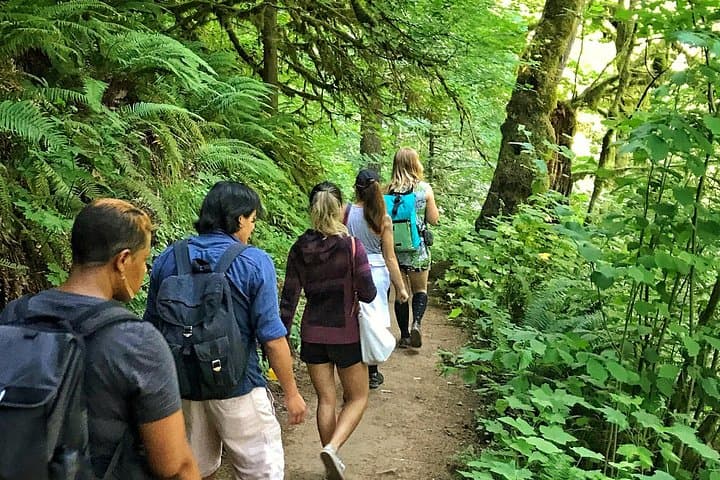
Lose the city for a few hours without leaving it: this 5-mile, 900-foot-gain Forest Park loop threads old-growth pockets, city viewpoints, and cultural landmarks for a compact taste of Portland’s wild side. Expect moss, roots, and stories.