

What the day feels like
You climb down a narrow wooden ladder from the hand-painted pier and the town of Puerto Ayora melts into a scatter of boat horns and laundry lines. Ahead, two black basalt walls lean inward, impatient and silent. Between them, a strip of water pulls the sky down—green one moment, then glass-clear—beckoning. This is The Cracks (Las Grietas), a tectonic seam on Santa Cruz Island where the Pacific squeezes inland and waits to be explored.
At first glance Las Grietas is modest: a tidal cleft carved into fractured lava, a channel no wider than a city street. But it moves like a living thing. Currents tease snorkeling masks; light slips down and paints the rock faces; the water, warmed by sun and stirred by tides, tastes of salt and time. People come here for that intimacy—no cruise-ship fanfare, just a pocket of the Galápagos where geology and ocean meet and let you pass between them.
Geologically, Las Grietas is a lesson in slow, relentless force. The Galápagos Islands are young by continental standards—born of volcanic upwelling as the Nazca Plate slid over a hotspot. Fractures and fissures opened as flows cooled and contracted; over centuries, waves and rain further sculpted the clefts. Today Las Grietas is a narrow, channel-like canyon that fills with seawater, its walls smoothed in places, jagged in others. Saltwater and freshwater mingle here, and that stratification invites unusual pockets of marine life.
Culturally Las Grietas sits within the daily rhythm of Puerto Ayora. Locals ferry visitors from the main dock, and small boat operators and guides arrange short excursions that pair Las Grietas with other nearby attractions—Tortuga Bay, the Charles Darwin Research Station, La Loberia and the shark channel. Tours like the Bay Tour in Santa Cruz - Galapagos Islands and the Santa Cruz Bay Tour: Half-Day Tour with 5 Sights stitch these spots together, giving a clear sense of how the island’s human and natural histories intersect. The Full Day Santa Cruz Rancho and Lava Tunnels Tour of Bahia adds highland ranchos and lava tubes to the mix, offering a broader geological and agricultural context.
The town answers back: modest seafood shacks, ceviche sold on the corners, and guide networks run by families who’ve worked these waters for generations. Conservation is central here—permits, restricted zones, and codes of conduct govern interaction with wildlife. That’s visible in the quiet respect most visitors show when a sea lion suns itself on a rock or a blue-footed booby takes a lazy dive.
If you’re going, think of Las Grietas as both a swim and a moving meditation. Access is easy: you can walk from the main pier in roughly 20–30 minutes along stone steps and a dirt path, or opt for a short panga ride that ties Las Grietas into a half-day of snorkeling at La Loberia and the shark channel. The channel itself runs roughly 100 meters with depths ranging from waist-deep ledges to pockets several meters deep—suitable for confident swimmers and snorkelers. Visibility is frequently excellent; you’ll float over coral gardenings, past small fish darting through the water and under sunlight that fractures as it passes through the crack.
Practicality trumps romance here. Wear water shoes: the volcanic rock is sharp. Use reef-safe sunscreen; the Galápagos enforces strict regulations to protect corals and marine life. Bring a compact waterproof camera or an action cam on a short leash—the light inside the fissure is cinematic, and reflections are constant. Aim for early morning or late afternoon to avoid the mid-day crowds and to catch calmer water. Guides and operators—many listed under the Half Day Bay Tour in Santa Cruz Island or the 4 days tour in Galapagos Las Grietas and Tortuga Bay packages—can arrange gear, boat transfers, and short hikes to pair Las Grietas with Tortuga Bay or the Charles Darwin Station.
Safety is straightforward but non-negotiable: currents change with tides, and while most visitors swim without incident, people should be comfortable in open water and heed local guides. The simplest equipment—a snorkel mask, fins, and a flotation vest if you prefer—turns the site from a scenic stop into a marine micro-adventure. For a richer day, combine Las Grietas with a Bay Tour in Santa Cruz or a full-day Rancho and Lava Tunnels Tour to see the island’s highlands, giant tortoise paddocks and underground passages carved from old flows.
Why bother? Because Las Grietas condenses the best of the Galápagos into a half-day: volcanic storylines, immediate marine life, and the humbling proximity of human history to raw nature. It’s quiet enough for reflection yet full of small, animated surprises—schools of fish, an inquisitive sea lion, a booby’s shadow—each a reminder that these islands insist you be present.
Plan your timing, respect the rules, and let the crack do its work: slowing you down, cooling you off, and leaving you with the peculiar clarity that only a place where land splits open and sea pours through can provide. Then, perhaps, follow that short wooden pier back to Puerto Ayora for a plate of fresh fish and to trade notes with the guides who keep this place livable and protected for the next tide and the next traveler.
Trail wisdom
Small choices, better day.
Go early or late
Arrive before 10am or after 3pm to avoid crowds and enjoy calmer water for snorkeling.
Wear water shoes
Volcanic rock is sharp and slippery—water shoes protect feet on the path and in the shallows.
Use reef-safe sunscreen
Chemical sunscreens harm corals; bring mineral-based, reef-safe protection.
Watch the tide and current
Currents in the channel can shift—follow guides' advice and avoid swimming alone.
Local knowledge
Read the place, not just the route.
Watch for native species including Galápagos sea lion, Blue-footed booby.
Keep an eye out for wildlife during the transition between areas and habitats. Respect distance guidelines.
The Galápagos enforces strict protections including no touching wildlife, designated paths, and recommended reef-safe sunscreens to minimize human impact on fragile ecosystems.
Follow the guide's instructions on size limits, ethical handling, and leave-no-trace practices.
Tintoreras islets—small islets near Isabela with calm snorkeling and lava formations. Lava tunnels in the highlands—part of Full Day Santa Cruz Rancho and Lava Tunnels Tour for a different geological perspective
Locally recommended viewpoints and quiet spots known best to local operators.
Puerto Ayora grew from a small fishing village into the main town on Santa Cruz; nearby the Charles Darwin Research Station has been central to conservation and scientific efforts since the 1960s.
Maritime roots and regional tradition shape the waterways and working coasts.
Seasonal guide
Four versions of the same landscape.
Spring
Best forWarmer water snorkeling · Lush highlands · Calmer seas
ChallengesAfternoon rain showers · Slightly higher humidity
March–May brings warmer seas and excellent visibility—ideal for snorkeling Las Grietas and combining with Bay tours.
Summer
Best forWildlife viewing (marine upwelling) · Cooler walks · Fewer tourists
ChallengesCooler water temperatures · Garúa (mist) reducing sunlight
June–August is cooler and nutrient-rich, great for birdlife and marine productivity—bring a light wetsuit for snorkeling.
Fall
Best forClear skies · Good bird activity · Excellent boat tours
ChallengesVariable sea conditions · Occasional choppy water
September–November balances cool, clear weather and strong marine life—ideal for combining Las Grietas with bay boat trips.
Winter
Best forWarm water bathing · Calmer seas for snorkeling · Lush shorelines
ChallengesHigher tourist numbers in December · Occasional heavier surf near beaches
December–February is warm and inviting, with calm conditions that favor relaxed swims and family-friendly snorkeling.
Pack with intention
What to bring.
Good to know
Common questions.
You can walk from the main dock in about 20–30 minutes along a marked path and steps, or take a short panga/boat transfer arranged by local operators.
Plan the edges
The details that make the day easier.
Las Grietas is a narrow fissure formed by tectonic fracturing of cooled lava flows; its clear, stratified waters are replenished by both ocean tides and freshwater seepage.
Puerto Ayora mixes laid-back island life with conservation-focused tourism: try fresh ceviche at a seaside comedor, visit the Charles Darwin Research Station to learn about giant tortoise recovery, and buy locally woven hats from market vendors.
- Getting there
- walk or short boat from Puerto Ayora; duration: 1–3 hours; best time: mornings; cost: small boat fees or included in bay tours; safety: swim with a buddy and listen to guides.
Support certified local guides, use reef-safe sunscreen, avoid single-use plastics, and respect posted paths to minimize disturbance to wildlife and fragile volcanic features.
Explore by topic
Follow the threads.
Keep exploring
Make the story part of the trip.
In four hours you can move from shaded canyon ferns to wind-scoured coastal ridgelines, guided by someone who knows where the light—and the hidden views—live. This private half-day hike on the Monterey Peninsula or Big Sur is compact, curated, and perfect for travelers who want depth without a multiday commitment.
 Related story
Beneath a sky of shifting light, Skaftafell’s ice reads like a map of time. This three-hour guided glacier hike mixes technical instruction with geology and culture: compact, safe, and unforgettable.
 Related story
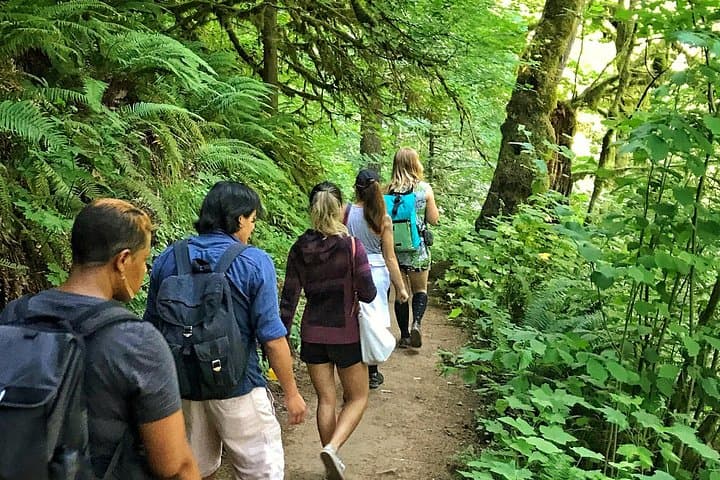
Lose the city for a few hours without leaving it: this 5-mile, 900-foot-gain Forest Park loop threads old-growth pockets, city viewpoints, and cultural landmarks for a compact taste of Portland’s wild side. Expect moss, roots, and stories.