
What the day feels like
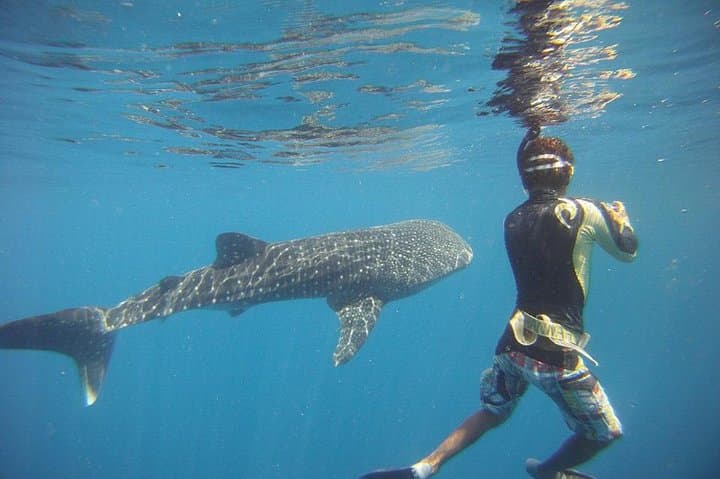
When the boat slips free of Playa Flamingo’s harbor the town becomes a tidy strip of red roofs and palm shadows behind you. The ocean widens, the motor lowers to a steady hum, and within twenty to thirty minutes the green cone of the Catalina Islands appears—dark rock outcroppings sheathed in a mosaic of upwelling and life. The first inhale under the surface is always a small shock: warm tropical water, a light current that teases the mask, and a slate of color—parrotfish blues, butterflyfish stripes, the copper flash of a jacks’ flank—unfurling like a painting you can move through.
This half-day from Playa Flamingo is simple in its promise: two 40-minute guided snorkel sessions at Isla Catalinas and a nearby North Island site, time to surface and scan for pelagics, and a comfortable boat ride back with the sun lowering the shore into silhouette. It’s a compact adventure—five hours all told—but that economy is part of the appeal. You trade a lot of logistics for access to relatively protected cays and reefs that punch well above their weight in marine diversity.
Geology and currents do most of the work here. The Catalinas are volcanic remnant islands rising from the continental shelf just off the Guanacaste coast. Local currents funnel nutrients around their flanks, keeping corals and sponges fed and schooling fish plentiful. For travelers this means visibility that’s usually reliable in the dry months and a chance to see larger animals—manta rays, eagle rays, and even occasional reef sharks—gliding like punctuation marks through the blue.
Culturally the boat runs out of Playa Flamingo, a polished beach community in Guanacaste that developed out of small fishing villages and, more recently, surf and resort tourism. The region’s culture still centers on seafood and the enduring “pura vida” rhythm: slow mornings, talkative vendors, and a genuine friendliness on the docks when the boats leave. Locally run outfitters tend to work under simple, consistent rules: reef-safe sunscreen, no-touch policies for coral, and keeping distance from turtles and rays to avoid disturbing feeding behavior.
Why go? For many travelers, this is the most efficient way to see Costa Rica’s marine life without committing to a liveaboard or multi-day dive trip. The sites here are accessible to confident snorkelers and families with older kids; they’re also eye-opening for divers who want a surface-level introduction to the Gulf of Papagayo’s biology before a deeper dive. You’ll leave with clear memories—schools of snapper forming living curtains, a hawksbill turtle that bobs politely to examine your mask, the thump of a distant whale if you visit in peak migration months—and practical stories about what it takes to see them.
Practicalities matter on a trip like this. The tour is five hours total and includes two 40-minute snorkeling sessions. Most operators provide masks and snorkels if you don’t bring them, but fitted personal gear always performs better. Respect for the reef is non-negotiable: avoid standing on coral or chasing animals; your fins should be used for propulsion not for herding. Water temperature is warm enough that many people skip thick wetsuits, but if you get cold after surfacing or in the boat’s breeze, a shorty wetsuit or wetsuit top helps.
Timing and weather are simple calculus. The dry season (roughly December–April) brings the best visibility and calm sea conditions; the rainier months can still translate to excellent snorkeling but add short-lived squalls and reduced visibility. Early departures give calmer seas and smaller crowds; an afternoon return opens the door to lunch back in Playa Flamingo’s harborside restaurants.
Who should book this? Families with competent swimmers, couples wanting a laid-back marine experience, and more seasoned travelers looking for a high-value half-day sample of Costa Rica’s reefs. If you’re nervous about motion or new to snorkeling, tell the operator—most trips include an orientation and flotation aids. If you’re chasing a specific sighting (like manta rays), ask for local seasonality: guides know when big visitors are more likely to appear.
Because it is compact, this tour fits easily into broader Guanacaste itineraries. Combine it with a morning hike inland or an afternoon at a nearby surf spot, and you’ve turned a short marine day into a full-sensory sample of Costa Rica’s coastal life. The essential take-away: the Catalinas are not just pretty snorkeling sites; they’re a concentrated expression of the region’s oceanic health. Enter gently, watch intently, and come away with more than pictures—you’ll carry a sharper sense of why marine protection matters here.
Practical summary: expect two guided underwater excursions totaling about 80 minutes in-water, a roughly 30-minute boat transit each way depending on sea state, and a full trip length of about five hours. The experience is approachable yet rewarding—equal parts spectacle and practical lesson in low-impact ocean travel.
Trail wisdom
Small choices, better day.
Bring Your Own Mask
Personal-fit masks prevent fogging and leaks—rental gear is fine, but personal optics improve both comfort and visibility.
Use Reef-Safe Sunscreen
Apply biodegradable sunscreen before boarding to protect coral and marine life; reapply with a long-sleeve rashguard to reduce lotion use.
Practice a Surface Signal
Learn hand signals for needing assistance or if you spot larger animals—guides coordinate safety with clear, simple gestures.
Hydrate Before You Go
Boat trips and sun add up—drink water before departure and bring a filled bottle in a leakproof container for the return trip.
Local knowledge
Read the place, not just the route.
Watch for native species including Hawksbill and Green Turtles, Eagle Rays and Manta Rays.
Keep an eye out for wildlife during the transition between areas and habitats. Respect distance guidelines.
Operators in the region typically follow marine-protected-area guidelines—use reef-safe sunscreen, do not touch or remove marine life, and keep a respectful distance from turtles and rays.
Follow the guide's instructions on size limits, ethical handling, and leave-no-trace practices.
Snorkel closer to the Catalinas’ eastern coves for calmer water and abundant small reef life. Combine with a late afternoon stop at Playa Brasilito for less-crowded beach bars and a sunset view
Locally recommended viewpoints and quiet spots known best to local operators.
The Guanacaste coast grew from fishing settlements and was shaped by volcanic geology; tourism has recently become a major economic driver while still tied to local seafood traditions.
Maritime roots and regional tradition shape the waterways and working coasts.
Seasonal guide
Four versions of the same landscape.
Spring
Best forClear visibility · Warm water · Family-friendly outings
ChallengesOccasional late showers · Higher visitor numbers in March
Late dry-season months (March–May) usually bring excellent visibility and warm water—expect busy docks but steady snorkeling conditions.
Summer
Best forLush coastal scenery · Lower shoulder-season crowds
ChallengesIntermittent afternoon storms · Reduced visibility after heavy rain
June–August can be quieter on land; short rain bursts may reduce visibility but trips still run and wildlife remains active.
Fall
Best forMigratory whale sightings offshore · Fewer tourists
ChallengesHeavier rains September–November · Rougher sea days possible
Fall brings heavier rains; plan for rougher seas but also a chance at seasonal offshore whales on some days.
Winter
Best forBest overall visibility · Calm seas · Peak dry-season weather
ChallengesHigher tourist demand · Book early in December–February
December–February typically offers the calmest water and clearest visibility—ideal conditions for seeing rays, turtles, and schooling fish.
Operator details
What the booking data adds.
Included
- ✓Hotel Pick-Up and Drop-Off (Selected Areas Only)
- ✓Driver/guide
- ✓Use of Snorkelling equipment
- ✓Snacks: Water, Ice Tea, Seasonal Fruits and Cookies.
Not included
- —Lunch
- —Diving Computer and Underwater Cameras
Good to know
- ✓Wheelchair accessible
- ✓Service animals allowed
- ✓Public transportation options are available nearby
- ✓All areas and surfaces are wheelchair accessible
- ✓Not recommended for pregnant travelers
- ✓Not recommended for travelers with poor cardiovascular health
- ✓Suitable for all physical fitness levels
Pack with intention
What to bring.
Good to know
Common questions.
No advanced experience is required—operators provide an orientation and flotation aids; however, basic comfort in the water and the ability to swim are necessary.
Plan the edges
The details that make the day easier.
The Catalina Islands (Isla Catalinas) sit off Costa Rica’s Guanacaste coast in the Gulf of Papagayo and are famed locally for frequent manta and eagle ray sightings during the dry season—an indicator of healthy upwelling.
After your snorkel, head back to Playa Flamingo for fresh ceviche at a beachfront soda or a seafood plate at a marina-side restaurant; nearby Playas del Coco offers livelier bars and local breweries if you want a post-trip beer and a sunset crowd.
- Closest airport
- Daniel Oduber Quirós International Airport (LIR) in Liberia; Driving time to Playa Flamingo: ~45–75 minutes; Cell service: good on shore, limited offshore; Permits: none required for day tours—bookings and marine park rules enforced by operators.
This area relies on healthy reefs for tourism—use reef-safe sunscreen, avoid touching coral or feeding wildlife, and choose licensed operators that follow local marine protection rules.
Explore by topic
Follow the threads.
Keep exploring
Make the story part of the trip.
In four hours you can move from shaded canyon ferns to wind-scoured coastal ridgelines, guided by someone who knows where the light—and the hidden views—live. This private half-day hike on the Monterey Peninsula or Big Sur is compact, curated, and perfect for travelers who want depth without a multiday commitment.
 Related story
Beneath a sky of shifting light, Skaftafell’s ice reads like a map of time. This three-hour guided glacier hike mixes technical instruction with geology and culture: compact, safe, and unforgettable.
 Related story
Lose the city for a few hours without leaving it: this 5-mile, 900-foot-gain Forest Park loop threads old-growth pockets, city viewpoints, and cultural landmarks for a compact taste of Portland’s wild side. Expect moss, roots, and stories.